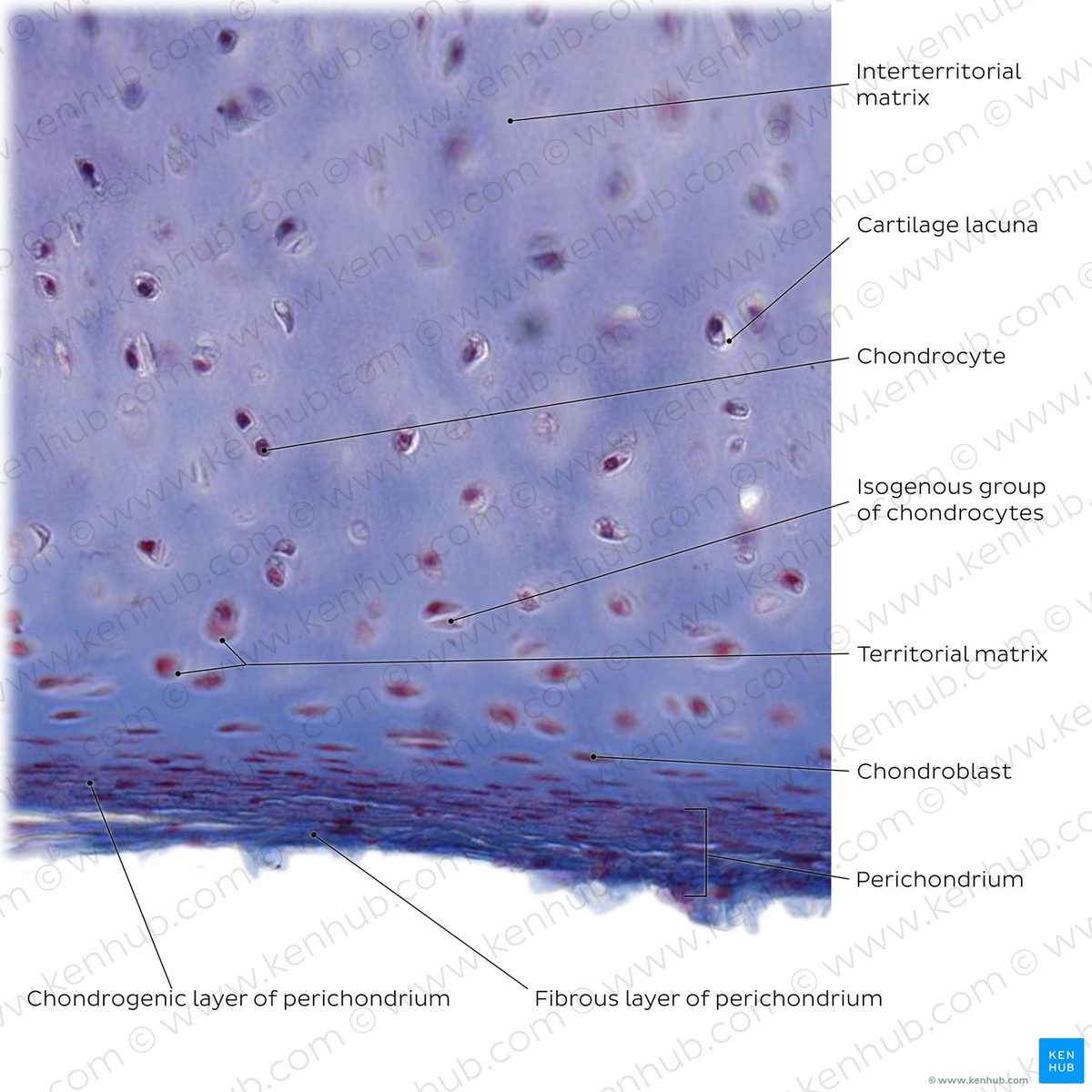
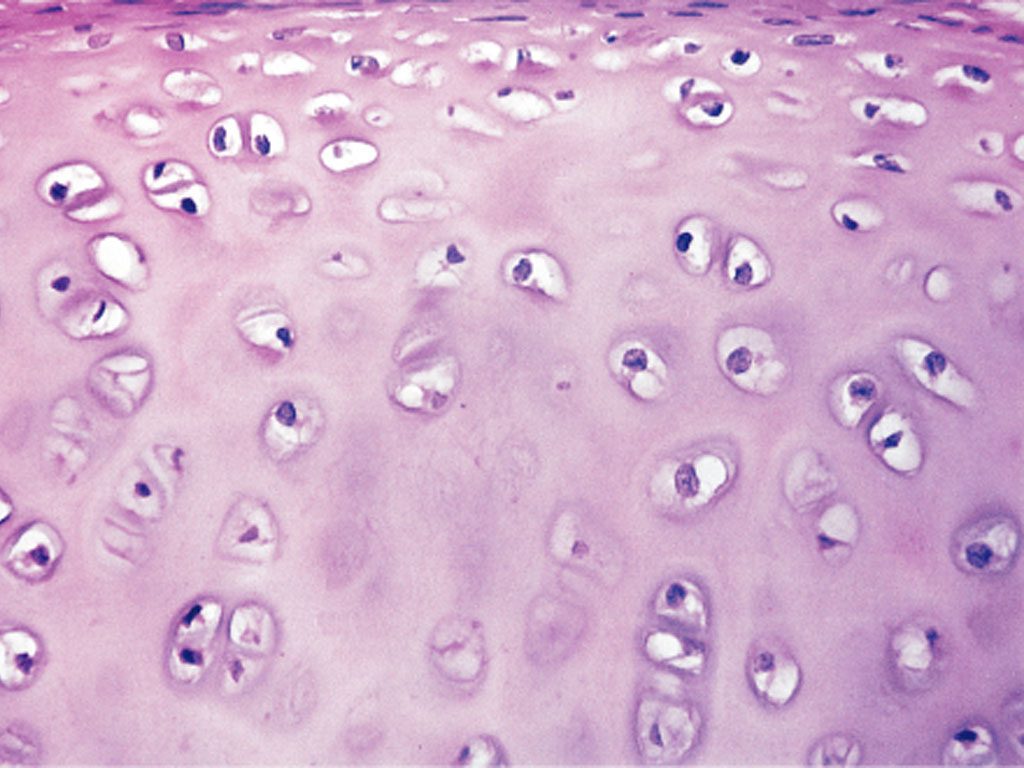
A November 2025 study in Science showed that blocking an enzyme called 15-PGDH regrew cartilage in older mice and in human joint tissue from knee replacement patients. Blocking it shifts cartilage cells from degrading to rebuilding—without stem cells.
Epirium Bio, which holds the exclusive license to Stanford's 15-PGDH patents, completed Phase 1 with 88 participants and no dose-limiting toxicities. Phase 2b enrollment for sarcopenia is planned for H2 2026. A Fast Track Designation application was due to the FDA in Q2 2026.
Why it matters
No drug has ever reversed cartilage loss; if this works, 700,000 knee replacements a year become avoidable.
Questions about this story
Free account needed to ask — your question is kept and asked for you right after sign-up. Answers are public.
No questions yet — be the first to ask.
Key Indicators
595M
People with osteoarthritis globally
7.6% of the global population as of 2020, up 132% since 1990
700K
Annual knee replacements in U.S.
Projected to grow to 3.5 million by 2030
$65B
Annual U.S. healthcare costs
Direct costs of osteoarthritis treatment
50%
ACL patients developing arthritis
Within 10-15 years after injury, regardless of surgical repair
16 events
Latest: May 2nd, 2026 · 4 months ago
Showing 8 of 16
JK to step
Tap a bar to jump to that date
Jump to
May 2026
15-PGDH Inhibitors Show Efficacy in Gut Inflammation Models
LatestConference Presentation
At Digestive Disease Week in Chicago, Epirium presented preclinical data showing MF-300 and a second compound, MF-1305, improved outcomes in mouse colitis models. MF-300 matched anti-IL-12/23 biologic response rates at all doses, suggesting 15-PGDH inhibition may apply to inflammatory bowel disease as well as muscle and cartilage.
April 2026
Renovare Therapeutics Launches with ARPA-H Funding for Competing Osteoarthritis Approach
Industry
CU Boulder's ARPA-H NITRO team advances to the next phase of up to $33.5 million in federal funding. Spinout Renovare Therapeutics launches to commercialize slow-release intra-articular injections and biomaterial repair kits for osteoarthritis. Human trials are targeted for 2028.
March 2026
Epirium Bio Presents MF-300 Phase 1 Data at ICFSR 2026
Conference Presentation
At the Intrinsic Capacity, Frailty and Sarcopenia Research Conference in Washington, DC, Epirium presented Phase 1 data from 88 participants. No dose-limiting toxicities were observed at any dose, including in adults aged 65-75. Phase 2b enrollment remains on track for H2 2026.
February 2026
Popular Mechanics Features Stanford Cartilage Breakthrough
Media Coverage
Major science publication highlights Stanford's cartilage regeneration findings and clinical translation pathway. Reports that researchers hope to run Phase 2 trials for cartilage regeneration following successful muscle trials.
January 2026
FDA Type C End-of-Phase 1 Meeting Yields Positive Outcome
Regulatory
Epirium Bio announces successful Type C meeting with FDA. Alignment gained on Phase 2b inclusion/exclusion criteria, primary and secondary endpoints, trial design, sample size, and dosing regimen. Company plans to file Fast Track Designation application in Q2 2026.
Stanford Breakthrough Gains Widespread Attention
Media Coverage
News coverage highlights potential for the treatment to make joint replacements obsolete, spurring discussion of clinical timeline.
Positive Results in Older Adults Announced
Clinical Trial
Epirium reports MF-300 is well tolerated in adults over 65, with pharmacodynamic profile consistent with younger participants.
November 2025
Science Publishes Cartilage Regeneration Results
Publication
Stanford team publishes study showing 15-PGDH inhibitor regrows cartilage in aged mice and human tissue samples from knee replacement patients.
September 2025
Phase 1 Shows Safety and Target Engagement
Clinical Trial
Epirium announces MF-300 is well tolerated with no discontinuations. Biomarkers confirm the drug hits its target.
January 2025
First Humans Dosed with 15-PGDH Inhibitor
Clinical Trial
Epirium Bio begins Phase 1 trial of MF-300, the first 15-PGDH inhibitor tested in humans, targeting sarcopenia.
January 2023
Gerozyme Term Coined
Research Milestone
Blau lab formally defines 'gerozyme' class of enzymes that increase with age and drive tissue function loss across multiple organ systems.
December 2022
First Cartilage Implant Gets FDA Premarket Approval
Regulatory
Agili-C, a biodegradable implant for cartilage and bone regeneration, becomes first to receive FDA Premarket Approval after Breakthrough Device designation.
January 2021
Blau Lab Identifies 15-PGDH as Aging Regulator
Research Milestone
Stanford researchers discover that the enzyme 15-PGDH accumulates in aging muscles and drives tissue decline.
December 2016
FDA Approves MACI
Regulatory
FDA approves MACI, an autologous cell therapy for cartilage defects. Earlier product Carticel is phased out the following year.
January 1994
First Cell Therapy for Cartilage in Humans
Research Milestone
Autologous chondrocyte implantation (ACI) is first performed in humans, marking the beginning of cell-based cartilage repair approaches.
January 1743
Hunter Declares Cartilage Cannot Heal
Historical
Surgeon William Hunter writes that damaged cartilage 'is never recovered'—a statement that defined medical understanding for centuries.
Scenarios
1
FDA Approves First Disease-Modifying Osteoarthritis Drug
Possible
Discussed by: Stanford researchers, Epirium Bio executives, orthopedic surgery analysts
If Phase 2 trials in cartilage regeneration replicate the mouse and human tissue results, Epirium could seek FDA approval for the first disease-modifying osteoarthritis drug—a category with zero approved treatments despite decades of attempts. This would require demonstrating that the drug not only reduces pain but actually rebuilds cartilage, likely through imaging endpoints. Success would fundamentally change treatment protocols for the 55 million Americans with osteoarthritis.
2
Cartilage Results Don't Translate from Mice to Humans
Possible
Discussed by: Regenerative medicine researchers, pharmaceutical industry analysts
Mouse cartilage studies have historically failed to translate to human outcomes. The complexity of human joints, longer timelines for cartilage turnover, and differences in mechanical loading could mean the dramatic mouse results don't replicate in human trials. The human tissue experiments were short-term (one week) and ex vivo, not in living joints. Cartilage regeneration remains one of the most difficult problems in orthopedics.
3
Drug Works for Prevention but Not Reversal
Likely
Discussed by: Orthopedic surgeons, sports medicine specialists
The Stanford study showed the treatment prevented arthritis after ACL-type injuries in mice. This application—giving 15-PGDH inhibitors to young athletes after knee injuries to prevent the 50% progression rate to osteoarthritis—could succeed even if reversing existing damage proves harder. Prevention trials would likely have clearer endpoints and faster timelines than regeneration trials.
4
Competing Approaches Reach Market First
Uncertain
Discussed by: Novartis researchers, clinical trial analysts, biotech industry observers
Novartis and other companies are pursuing alternative cartilage regeneration strategies. Gene therapies, other small molecules, and advanced scaffolds are in various stages of development. The first successful approach to market will capture substantial share; latecomers will face a higher bar for demonstrating superiority. The 15-PGDH approach's oral delivery is an advantage, but competitors may have leads in specific patient populations.
5
ARPA-H-Backed Biomaterial Approach Reaches Human Trials Before Epirium's Cartilage Program
Possible
Resolves by End of 2028
Discussed by: CU Boulder researchers, ARPA-H program officers, orthopedic biotech analysts
Renovare Therapeutics is targeting Phase 1 studies by 2028. The company is backed by up to $33.5 million from the ARPA-H NITRO program and is developing slow-release intra-articular injections and biomaterial repair kits built at CU Boulder. If Epirium's sarcopenia Phase 2b runs through 2027 before cartilage-specific trials begin, Renovare could reach human osteoarthritis testing first—a first-mover advantage in human safety data.
Historical Context
3 moments from history that rhyme with this story — and how they unfolded.
1 of 3
1987-Present
Autologous Chondrocyte Implantation (1994)
Swedish surgeon Lars Peterson performed the first human autologous chondrocyte implantation in 1994, after proving the concept in rabbits in 1987. The procedure harvests a patient's own cartilage cells, grows them in a lab, and reimplants them into the joint. Carticel became the first FDA-approved cell therapy for cartilage in 1997.
Then
ACI established that cartilage regeneration was possible, spawning a new field of cell-based therapies and multiple commercial products.
Now
Despite 30 years of development, ACI and its successors remain limited to focal defects in younger patients. They cannot treat the diffuse cartilage loss of osteoarthritis and require surgery. No cell therapy has become standard of care for age-related cartilage degeneration.
Why this matters now
The Stanford approach bypasses the core limitation of cell therapies: it doesn't require transplanting cells. Instead, it reactivates the patient's existing chondrocytes, potentially enabling treatment of the diffuse damage characteristic of aging.
2 of 3
2008-2025
Prostaglandin E2 Research Paradigm Shift
For decades, elevated PGE2 in arthritic joints was viewed as harmful, leading to widespread use of NSAIDs and COX-2 inhibitors to suppress it. Research beginning around 2008 revealed a paradox: at low concentrations, PGE2 is actually chondroprotective. The key wasn't how much PGE2 was present, but how quickly it was being degraded by 15-PGDH.
Then
This complicated the simple 'inflammation is bad' model that had guided drug development.
Now
The insight that preserving PGE2 rather than suppressing it could be therapeutic opened an entirely new drug development strategy.
Why this matters now
The Stanford approach directly applies this paradigm shift: rather than suppressing inflammation, it preserves the beneficial effects of PGE2 by blocking the enzyme that degrades it.
3 of 3
1990s-Present
Disease-Modifying Osteoarthritis Drug Failures
Pharmaceutical companies have spent billions pursuing DMOADs—drugs that could slow or reverse cartilage loss rather than just manage pain. Candidates targeting matrix metalloproteinases, nerve growth factor, Wnt signaling, and other pathways have failed in clinical trials. As of 2025, neither the FDA nor European regulators have approved any DMOAD.
Then
Each failure refined understanding of osteoarthritis complexity but left patients with only symptom management options.
Now
The regulatory pathway for DMOADs remains undefined, with debates over appropriate endpoints (pain reduction vs. structural improvement vs. function). Companies have grown cautious about osteoarthritis drug development.
Why this matters now
The Stanford 15-PGDH inhibitor faces the same regulatory uncertainty but approaches the problem differently—targeting an aging mechanism rather than a specific disease pathway. Its success in muscle trials may help establish the regulatory path.