




Methylprednisolone for Spinal Cord Injury (1990)
The National Acute Spinal Cord Injury Study (NASCIS II) announced that high-dose methylprednisolone, a steroid given within eight hours of injury, improved motor function and sensation. The results made the front page of the New York Times and the treatment was rapidly adopted as standard care.
The steroid became the default treatment at trauma centers nationwide, the first drug shown to improve outcomes after spinal cord injury.
Later studies questioned the findings, revealing serious side effects without clear benefits. The treatment remains controversial, illustrating how early promise in spinal cord research often fails to deliver lasting solutions.
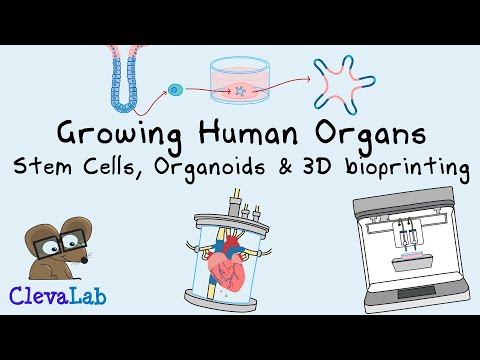
The dancing molecules therapy faces the same challenge: demonstrating that animal model success translates to human benefit. The organoid platform directly addresses this by providing human tissue validation before clinical trials.