
Pull to refresh
Logo
Russia's double-tap strikes on Ukrainian aid hubs

Russia's double-tap strikes on Ukrainian aid hubs

Force in Play

A double-tap bombing in Zaporizhzhia killed at least 50 people at a school used to hand out aid, one day after a limited humanitarian truce expired

Overview

Updated 4 days ago

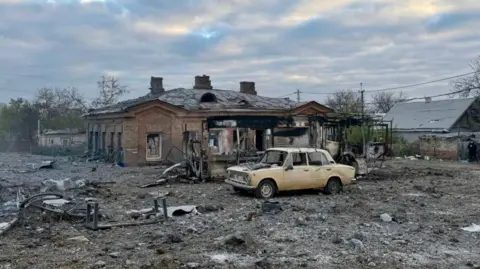
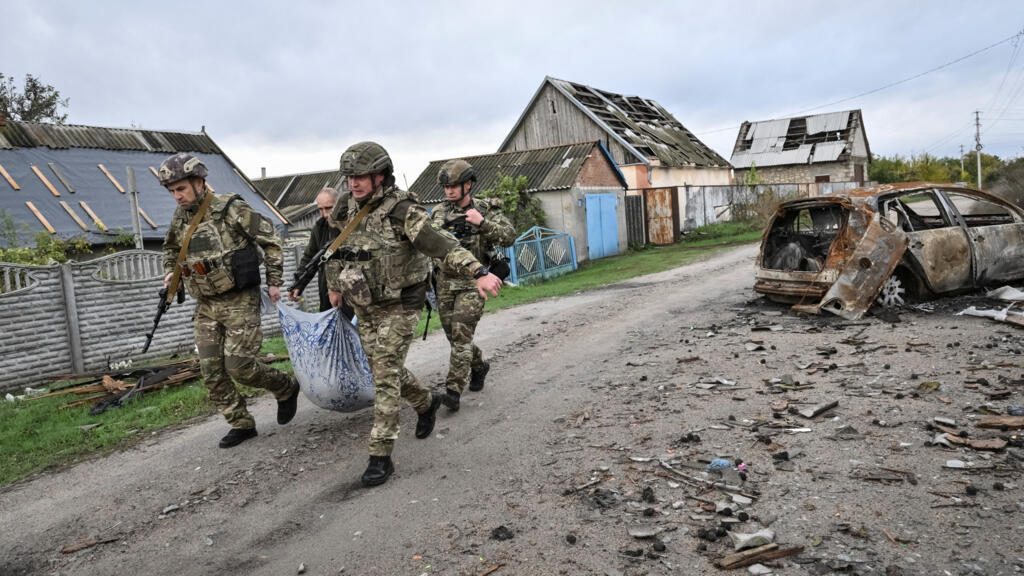
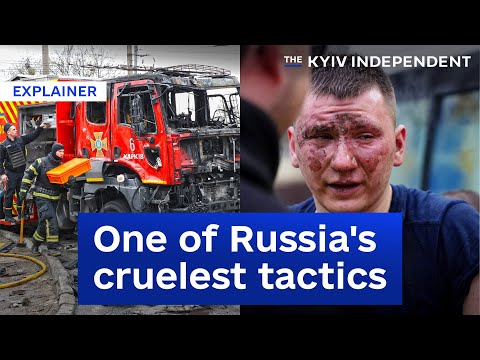
Rescue workers pulled bodies from a smoldering school in Komyshuvakha, a village in Ukraine's Zaporizhzhia region, after Russian bombs hit a humanitarian aid distribution point on November 2. Bodycam video released by Ukraine's police appears to show residents walking through the rubble after the first strike, before bombs hit a shelter where police and rescuers had taken cover.

By November 6, Ukrainian officials said at least 50 people had been killed, up from 29 on November 3. DNA tests were being used to identify remains, and up to 39 people were still trapped under the rubble, according to Al Jazeera. Two rescue workers and four police officers were among the dead.

Why it matters

If double-tap strikes keep hitting aid sites, front-line towns lose the distribution points that keep civilians supplied.

Questions about this story

Free account needed to ask — your question is kept and asked for you right after sign-up. Answers are public.

No questions yet — be the first to ask.

Key Indicators

50
People killed
Ukrainian officials said on November 6; the toll rose from 29 on November 3.
10+
Aerial bombs dropped
More than 10 glide bombs, including 3,000-kilogram FAB bombs, hit the school and then a nearby shelter, officials said.
39
People still trapped
Up to 39 remained under the rubble on November 6, according to Al Jazeera.
6
Rescue workers and police killed
Two rescue workers and four police officers were among the dead, officials said.

Voices

Curated perspectives — historical figures and your fellow readers.

Sign up to generate historical perspectives on this story.

People Involved

Organizations Involved

Timeline

October 2026 November 2026

10 events Latest: 5 days ago
Tap a bar to jump to that date
  1. Death toll reaches at least 50; DNA tests used to identify remains

    Latest Casualty update

    Ukrainian officials raised the toll to at least 50 and said up to 39 people remained trapped under the rubble. DNA tests were being used to identify bodies.

  2. Death toll rises to 40 as search enters third day

    Casualty update

    Ukrainian officials said at least 40 people had been killed, with more than 30 possibly still trapped. Rescue crews, including canine teams and mining rescue specialists, kept searching.

  3. Police bodycam video shows the double-tap sequence

    Evidence

    Ukraine's police released bodycam footage appearing to show Komyshuvakha residents walking through rubble after the first strike, before further bombs hit. The BBC reported the toll had reached at least 40, with about 30 people possibly still trapped.

  4. Death toll rises to 29, 48 missing

    Casualty update

    Zaporizhzhia military official Mykhailo Semikin said the toll from the Komyshuvakha strike had risen to 29, with 48 missing. Search and rescue operations continued.

  5. Police name four officers killed in strike

    Identification

    Zaporizhzhia police identified Mykhailo Buzhenko, Mykola Balanda, Mykhailo Romanov and Dmytro Besedin as officers killed while helping residents reach a shelter. Buzhenko had served 21 years.

  6. Double-tap bombing kills at least 26 at aid centre

    Attack

    Russian bombs hit a school used to distribute aid in Komyshuvakha, then struck a shelter as rescuers arrived. The toll rose to 26 as searches continued.

  7. Kherson ceasefire expires

    Humanitarian

    The limited truce around Oleshky ends after Moscow refuses to extend it, Ukrainian officials say.

  8. Zelenskyy offers refinery strike pause

    Statement

    Zelenskyy says Ukraine would halt strikes on Russian refineries if the US quickly supplies Patriot missiles.

  9. Evacuees leave occupied Oleshky under rare truce

    Humanitarian

    Residents of Russian-occupied Oleshky in Kherson region reach Ukraine via Belarus during a localized humanitarian pause.

  10. US clears Patriot interceptor sale

    Arms sale

    The State Department approves a $2.1 billion package of 500 PAC-3 interceptor missiles for Ukraine, with delivery potentially years away.

Scenarios

1

Russia repeats double-tap strikes on Ukrainian aid sites

Likely Resolves by Feb 28, 2027

Discussed by: UN Commission of Inquiry on Ukraine; Ukrainian emergency services

The tactic works by hitting a site, waiting for rescuers and police, then striking the shelter where they gather. Ukraine's emergency service says that is what happened at Komyshuvakha. If Russia keeps using it, aid groups face a choice between stopping distributions near the front line and accepting that responders will be targeted.

2

Ukraine and Russia agree a new localized humanitarian truce

Possible Resolves by Jan 31, 2027

Discussed by: Ukrainian presidential office; international mediators

The Oleshky evacuation showed that narrow, local pauses can move civilians out of occupied territory. But Moscow refused to extend that truce, and the Komyshuvakha strike came the next day. A new deal would require both sides to see a concrete gain, such as prisoner exchanges or evacuations, rather than a step toward a wider ceasefire.

3

Patriot interceptors arrive and change Ukraine's air defense

Uncertain Resolves by End of 2027

Discussed by: Zelenskyy; Atlantic Council analyst Alex Plitsas

The US approved 500 PAC-3 interceptors worth $2.1 billion on October 30. Zelenskyy warns deliveries could take years, and Plitsas says the package does not meet Ukraine's immediate need. If interceptors arrive quickly, they could blunt the ballistic and cruise missile attacks that produce strikes like Komyshuvakha's.

Historical Context

2 moments from history that rhyme with this story — and how they unfolded.

September 2016

Aleppo aid convoy strike (2016)

A UN and Syrian Arab Red Crescent humanitarian convoy was struck in rural Aleppo during a fragile ceasefire in Syria's civil war. Aid workers were killed and the truce collapsed, with each side blaming the other.

Then

The ceasefire fell apart and aid deliveries to besieged areas were suspended.

Now

The attack became a reference point for how strikes on aid workers can end humanitarian pauses rather than merely violate them.

Why this matters now

The Komyshuvakha strike came one day after a limited truce expired, raising the same question: whether attacks on aid sites make future pauses harder to negotiate.

March 2022

Mariupol maternity hospital airstrike (2022)

Russian forces bombed a maternity hospital in the besieged city of Mariupol. Ukraine and UN officials documented civilian casualties; Russia claimed the site had been used by Ukrainian fighters.

Then

The strike drew international condemnation and became evidence in war-crimes investigations.

Now

It set a pattern in which Russia denies targeting civilian sites while UN investigators document them as potential war crimes.

Why this matters now

The Kremlin again offered no immediate comment on Komyshuvakha, and the UN commission has already concluded that attacks on Ukrainian civilians amount to war crimes.

Sources

(19)