


Pull to refresh
Logo
FDA approves first gene therapy for the cause of Glycogen Storage Disease Type Ia

FDA approves first gene therapy for the cause of Glycogen Storage Disease Type Ia

New Capabilities

Ultragenyx's GENGLYCOS delivers a working G6PC gene to the liver, targeting the root of a rare blood-sugar disorder instead of managing its symptoms

August 19th, 2026: FDA approves GENGLYCOS

Overview

Updated Aug 20

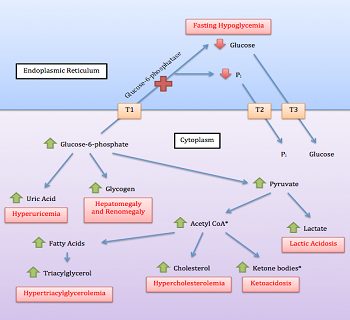
People with Glycogen Storage Disease Type Ia can't safely go without food. Their bodies can't release stored sugar, so many eat raw cornstarch around the clock, including overnight, to keep blood sugar from crashing. On August 19, 2026, the FDA approved GENGLYCOS, the first treatment aimed at the genetic cause of the disease rather than its symptoms.

The one-time therapy puts a working copy of the missing gene into liver cells. In the main trial, treated patients cut their daily cornstarch by about 41%, against 10% for placebo. The approval covers roughly 1,500 to 2,500 US patients aged eight and up.

Why it matters

For a disease whose patients have only ever managed it with round-the-clock cornstarch, a one-time gene therapy now targets the actual cause.

Questions about this story

Free account needed to ask — your question is kept and asked for you right after sign-up. Answers are public.

No questions yet — be the first to ask.

Key Indicators

1,500–2,500
Estimated US patients with GSDIa
The company's estimate of how many Americans have the disorder.
41.3%
Cornstarch cut in treated patients
Mean reduction at week 48, versus 10.3% for placebo (p<0.0001).
One-time
Dosing
A single infusion delivers the gene to liver cells.
8+
Minimum age approved
Cleared for adults and children eight years and older.
1st
Gene therapy approval for Ultragenyx
The company's first gene therapy and fifth FDA approval overall.

Voices

Curated perspectives — historical figures and your fellow readers.

Ever wondered what historical figures would say about today's headlines?

Sign up to generate historical perspectives on this story.

People Involved

Organizations Involved

Timeline

June 2019 August 2026

4 events Latest: August 19th, 2026 · 3 weeks ago
Tap a bar to jump to that date
  1. FDA approves GENGLYCOS

    Latest Regulatory

    The FDA grants accelerated approval for GENGLYCOS in patients eight and older, the first therapy targeting the genetic cause of GSDIa. A priority review voucher comes with it.

  2. Ultragenyx shares jump on approval news

    Market

    RARE stock rose as much as 14% in after-hours trading after the FDA cleared GENGLYCOS, which also came a few days ahead of its August 23 review deadline.

  3. Phase 3 trial hits its main goal

    Clinical Trial

    The 48-week GlucoGene study meets its primary endpoint. Treated patients cut daily cornstarch by 41.3% versus 10.3% for placebo (p<0.0001).

  4. First patient data show promise

    Clinical Trial

    Ultragenyx reports positive Phase 1/2 results for DTX401, showing the gene therapy could reduce cornstarch reliance in adults with GSDIa.

Scenarios

1

FDA approves Ultragenyx's second gene therapy, UX111 for Sanfilippo

Possible Resolves by End of 2026

Discussed by: Ultragenyx investor updates; Investing.com; Cure Sanfilippo Foundation

Ultragenyx has a second AAV gene therapy under review, UX111 for Sanfilippo syndrome Type A, with an FDA action date of September 19, 2026. An earlier version was rejected over manufacturing issues, then resubmitted with long-term data. A clearance would give the company two gene therapy launches within weeks and reinforce the accelerated-approval pattern for ultra-rare diseases.

2

Confirmatory data lock in GENGLYCOS's benefit

Likely Resolves by Aug 19, 2030

Discussed by: FDA accelerated approval terms; Ultragenyx regulatory filings

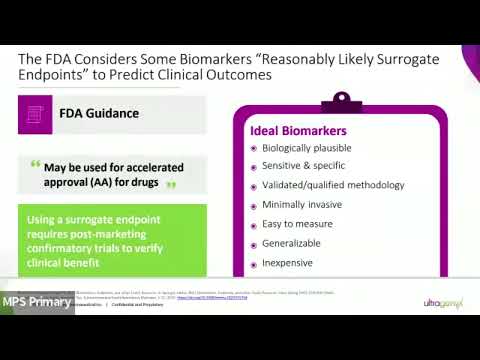
GENGLYCOS was cleared on a surrogate endpoint, reduced cornstarch use, so continued approval depends on confirming real clinical benefit. Ultragenyx agreed to deliver two years of safety and efficacy data from 50 treated and 20 control patients. If that data holds up, the FDA can convert the accelerated approval to full approval. If it falls short, the agency can move to withdraw the therapy.

3

A second country clears GENGLYCOS

Uncertain Resolves by Aug 19, 2028

Discussed by: Ultragenyx corporate updates; European Medicines Agency filing trackers

The August approval covers only the United States. Rare-disease therapies often follow with filings to the European Medicines Agency and other regulators, though tiny patient counts and pricing talks can slow the process. A marketing authorization outside the US would widen access beyond American patients and signal that regulators elsewhere accept the cornstarch surrogate.

Historical Context

3 moments from history that rhyme with this story — and how they unfolded.

December 2017

Luxturna approval (2017)

The FDA approved Luxturna from Spark Therapeutics, the first gene therapy in the US for an inherited disease. It treated a rare form of blindness caused by mutations in the RPE65 gene, delivered by a single injection under the retina.

Then

Spark priced the treatment at $850,000, sparking debate over how to pay for one-time cures.

Now

Luxturna set the template for later AAV gene therapies: a single dose, a tiny patient pool, and a high price.

Why this matters now

GENGLYCOS follows the same model Luxturna opened, a one-time gene delivery for a rare inherited disease with few patients.

May 2019

Zolgensma approval (2019)

The FDA approved Novartis's Zolgensma for spinal muscular atrophy, a genetic disease that kills infants' motor neurons. The one-time therapy carried a list price of about $2.1 million, then the most expensive drug ever.

Then

Insurers and Novartis built installment and outcomes-based payment plans to spread the cost.

Now

Zolgensma showed a gene therapy could change the course of a fatal childhood disease and forced new thinking on paying for cures.

Why this matters now

Like GENGLYCOS, Zolgensma replaced a missing gene in a metabolic or neuromuscular disease, and its pricing debate previews questions Ultragenyx will face.

June 2023

Elevidys accelerated approval (2023)

The FDA granted accelerated approval to Sarepta's Elevidys for Duchenne muscular dystrophy based on a surrogate measure, protein expression, even though the therapy missed its main clinical goal in a trial. The decision drew internal FDA disagreement.

Then

The approval let patients access the therapy while confirmatory trials continued, but critics questioned the evidence.

Now

Elevidys became a reference point in the debate over how much proof a gene therapy needs before reaching patients.

Why this matters now

GENGLYCOS also cleared on a surrogate endpoint, so its confirmatory trial will test whether the cornstarch measure predicts real benefit.

Sources

(7)