
Muromonab-CD3 (OKT3) approval (1986)
FDA approved Ortho Biotech's OKT3 for organ transplant rejection — the first monoclonal antibody drug. The product was technically crude (a mouse antibody causing immune reactions), commercially modest, and clinically replaced within a decade. But it proved monoclonal antibodies could be manufactured, dosed, and reimbursed.
OKT3 carved out a niche in transplant medicine but never became a blockbuster; the technology was clearly first-generation.
It took 11 years before Rituxan (1997) showed antibodies could deliver oncology blockbusters. Today antibody drugs generate over $200 billion in annual sales — the largest single drug class.
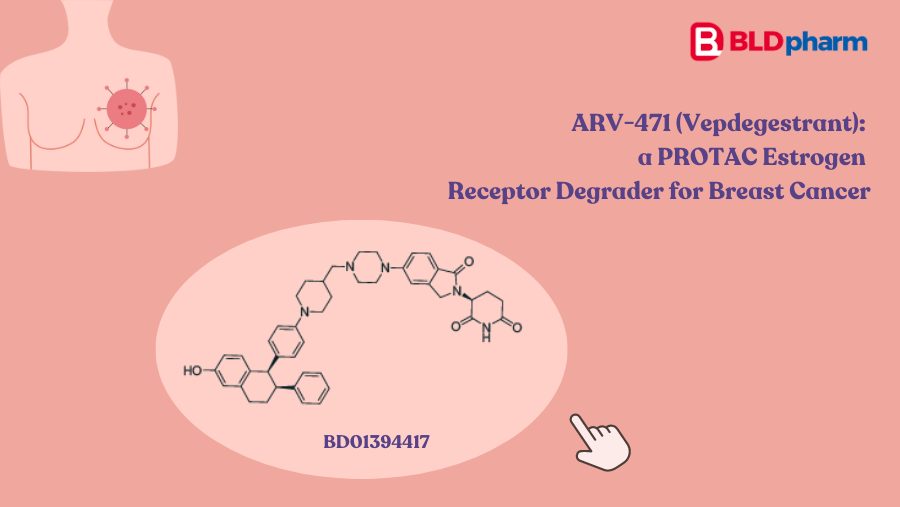
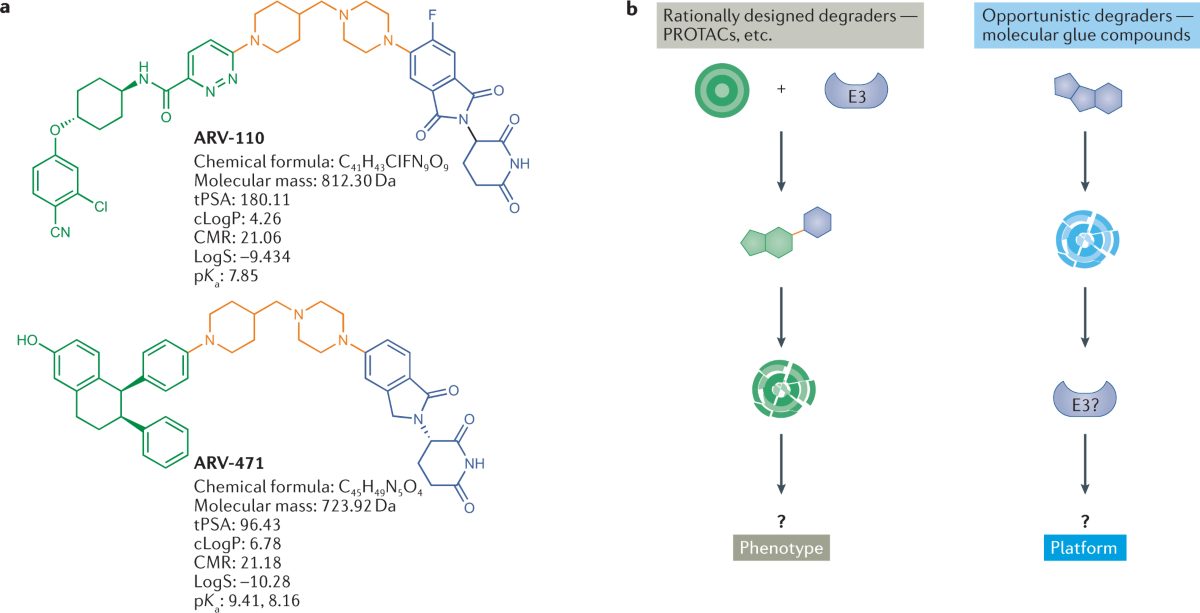
A first-in-class approval is not a guaranteed commercial success, and the first product is rarely the best one. PROTACs may follow OKT3's pattern: VEPPANU validates the platform, but the class-defining commercial winners may be drugs that have not yet reached late-stage trials.