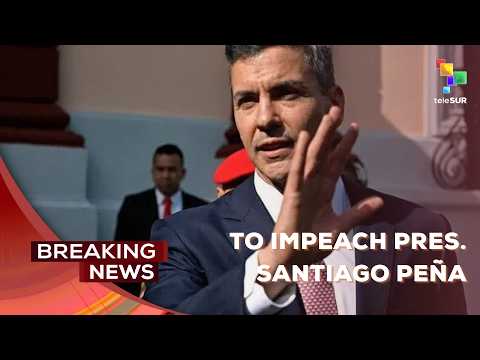
Paraguay's Senate removes Peña over bank collapse; Alliana sworn in
Rule Changes
Senators voted 44 of 45 to remove Santiago Peña; prosecutors charged him the next day and a judge ordered him and former central bank chief Carlos Carvallo held as payouts to depositors began.
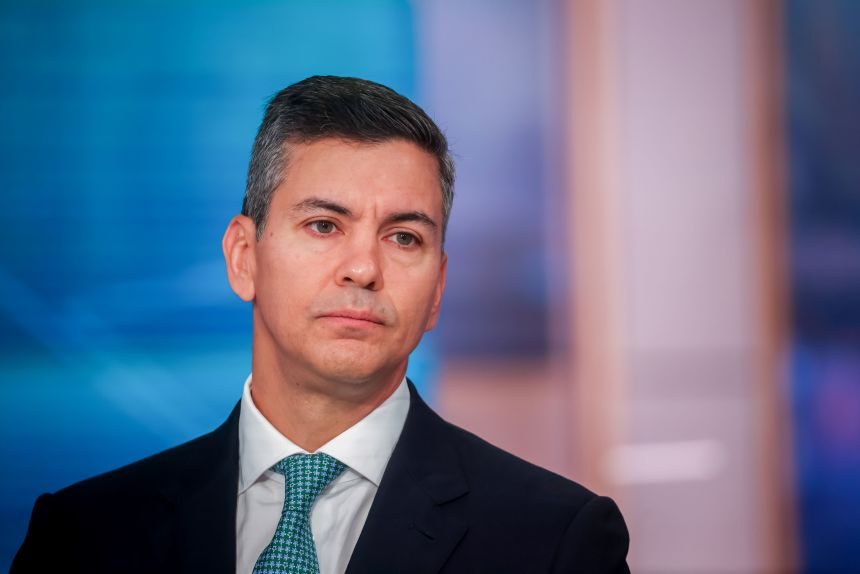
Paraguay's Senate removed President Santiago Peña on November 6, 2026, over the collapse of Ueno Bank, and Vice President Pedro Alliana was sworn in the same day. Prosecutors charged Peña the next day with breach of trust and administration for personal gain, and a judge ordered him held at the Regimiento Escolta Presidencial, the presidential guard regiment.
Ueno failed on November 3 after the central bank found it below half the legal solvency requirement, cutting off about 2.94 million customers. The government has paid about $160 million to 1.196 million depositors, and the Itaipú hydroelectric authority says more than $163 million of its money was deposited at the bank and has started legal action to recover it. Former central bank chief Carlos Carvallo, who led Ueno until 2023, was also charged and ordered held; Peña denies wrongdoing.
Why it matters
Paraguay removed and detained a president within days, testing whether its institutions can contain a bank collapse without wider panic.
Questions about this story
Free account needed to ask — your question is kept and asked for you right after sign-up. Answers are public.
No questions yet — be the first to ask.
Key Indicators
44 of 45
Senators who voted to remove Peña
The Senate convicted him on November 6, 2026; one member was absent.
2.94 million
Ueno Bank clients cut off
Customers left without access to their money after the central bank took control.
$850M
Deposits held at Ueno
Includes public funds and money from the social security institute.
50%
of required solvency minimum
The central bank said Ueno fell below half the legal solvency requirement.
$160M
State guarantee payments to depositors
Paid to 1.196 million Ueno customers in the first two days of payouts, the central bank said.
18 events
Latest: 4 days ago
Showing 8 of 18
JK to step
Tap a bar to jump to that date
November 2026
Peña charged and ordered held in pre-trial detention
LatestLegal
Prosecutors charged Peña with breach of trust and administration for personal gain. Judge Humberto Otazú ordered him held at the Regimiento Escolta Presidencial, the presidential guard regiment; Peña declined to answer questions at the hearing.
State payouts reach 1.196 million Ueno depositors
Financial
The central bank's interim president, Pedro Acosta, said the deposit guarantee fund had paid about 996 billion guaraníes ($160 million) over two days. Banks opened on Saturday to help affected customers open new accounts.
Judge orders Carvallo held in pre-trial detention
Legal
Judge Humberto Otazú ordered former central bank chief Carlos Carvallo held in a holding center after prosecutors charged him with breach of trust, producing false public documents and administration for personal gain.
Itaipú says $163 million stuck at Ueno and starts legal action
Financial
The Itaipú hydroelectric authority said it had more than $163 million deposited at Ueno Bank and began legal action before prosecutors to recover the funds.
Peña's defense hearing
Legal
Peña did not attend; his lawyers presented his defense before the Senate.
Senate rejects Peña's delay request
Legal
Senate President Basilio Núñez said Peña's request for 72 more hours did not get the votes, so the trial would start Friday.
Top aides resign as trial resumes
Resignation
Top aides to Peña resigned as the Senate resumed the impeachment trial, the AP reported.
Senate removes Peña
Legal
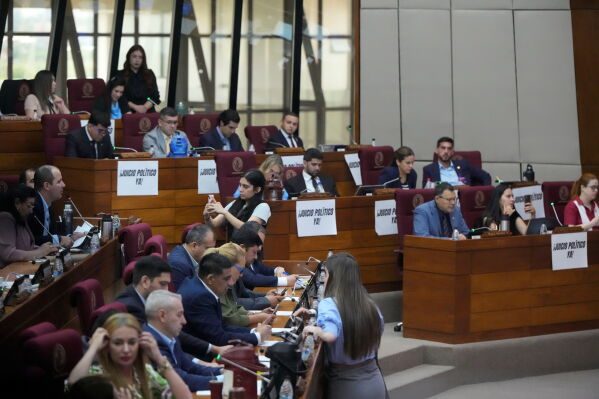
Senators voted 44 of 45 to convict Peña of misconduct and remove him from office. Senate President Basilio Núñez declared him guilty of dereliction of duty.
Peña placed under house arrest
Legal
Prosecutors ordered Peña held at his home in Asunción on suspicion of breach of trust and influence peddling. He was summoned for questioning the next day.
Alliana sworn in as president
Political
Vice President Pedro Alliana took the oath as Paraguay's 53rd president. He promised to compensate depositors hit by Ueno Bank's collapse.
Arrest warrant issued for Carvallo
Legal
Prosecutors issued an arrest warrant for former central bank chief Carlos Carvallo, who had led Ueno Bank until 2023. Eight former Ueno executives had already been detained.
Peña resigns
Resignation
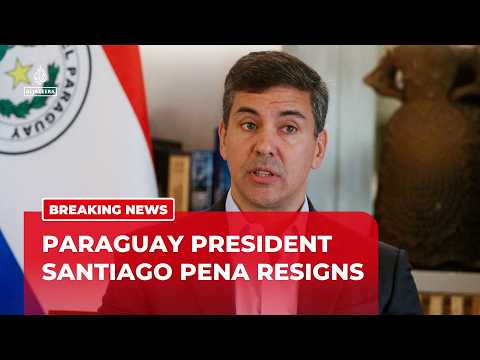
Santiago Peña announces his resignation amid the bank crisis and street protests.
Deputies vote to impeach
Legal
The Chamber of Deputies unanimously approves impeachment charges and sends them to the Senate.
Resignation vote loses quorum
Legal
Colorado Party deputies walk out of the joint session, leaving Congress without the quorum to accept or reject Peña's resignation.
Senate opens trial
Legal
The Senate convenes as a tribunal, hears the charges, and summons Peña to defend himself the next morning.
Advance payments begin for some Ueno clients
Financial
The central bank's deposit guarantee fund began payments of up to about $1,600 to some Ueno clients. The first recipients were depositors with accounts at other banks and no loans, an official said.
Central bank seizes Ueno Bank
Financial
The Banco Central del Paraguay intervenes Ueno after its solvency ratio falls below half the legal minimum, freezing accounts for nearly 3 million clients.
Central bank chief resigns
Resignation
Carlos Carvallo steps down as president of the Central Bank of Paraguay the same day as the intervention.
Scenarios
1
Senate removes Peña, opening the door to prosecution
Possible
Resolves by End of 2026
Discussed by: Opposition senators and Paraguayan outlets including ABC Color
If 30 of the 45 senators vote to convict, Peña is removed and loses the immunity that a senator-for-life seat would have given him. The case then passes to prosecutors. The opposition's decision to reject his resignation was designed to reach exactly this outcome.
2
Senate falls short, Peña stays in office
Unlikely
Resolves by End of 2026
Discussed by: Paraguayan political analysts cited by BBC Mundo and France 24
If the conviction vote fails to reach two-thirds, Peña is not removed. Because his resignation was never accepted, he would remain president — an outcome that would leave the bank crisis unresolved politically and likely trigger further protests.
3
Congress accepts resignation, Peña becomes senator-for-life
Unlikely
Resolves by End of 2026
Discussed by: BBC Mundo, citing the constitutional immunity rules
If Congress reverses course and accepts the resignation, Peña automatically becomes a senator-for-life with parliamentary immunity. Prosecutors would then need a parliamentary majority to strip that protection before pursuing charges. Opposition legislators rejected this path on November 5.
4
Peña faces criminal trial over Ueno Bank collapse
Possible
Resolves by End of 2027
Discussed by: Paraguayan prosecutors and local outlets including ABC Color
Prosecutors charged Peña on November 7 with breach of trust and administration for personal gain, and a judge ordered him held in pre-trial detention. The case now moves toward a criminal trial, where he no longer has presidential immunity.
5
Opposition pushes for Alliana's removal and early elections
Possible
Resolves by End of 2027
Discussed by: Protesters and opposition lawmakers, reported by MercoPress
Protesters and opposition lawmakers accuse Alliana of failing to act in time to prevent Ueno Bank's collapse and are demanding his removal and early elections in 2027. Alliana says his priority is that depositors recover their money.
Historical Context
3 moments from history that rhyme with this story — and how they unfolded.
1 of 3
June 2012
Impeachment of Fernando Lugo (2012)
Paraguay's Congress impeached President Fernando Lugo over his handling of a land eviction that left 17 people dead. The process moved from charges to removal in about 24 hours, and Vice President Federico Franco took over.
Then
Lugo was removed within a day; Paraguay was suspended from regional blocs over the speed of the process.
Now
The episode became the reference point for how fast Paraguay's impeachment mechanism can move, and for the regional backlash it can trigger.
Why this matters now
It shows how quickly a Paraguayan impeachment can conclude — and why the current Senate timetable could compress into days rather than months.
2 of 3
August 1974
Resignation of Richard Nixon (1974)
Facing near-certain impeachment over the Watergate scandal, U.S. President Richard Nixon resigned before the House could vote on articles. His successor, Gerald Ford, later pardoned him.
Then
Nixon left office and avoided removal by the Senate.
Now
The pardon became a lasting political controversy and shaped how later executives weighed resignation against trial.
Why this matters now
Peña tried the resignation route first. Paraguay's Congress closed it off, forcing the trial Nixon avoided.
3 of 3
2016
Impeachment of Dilma Rousseff (2016)
Brazil's Senate removed President Dilma Rousseff for fiscal violations after a lengthy process. She was convicted but not barred from future office in a separate vote.
Then
Vice President Michel Temer took office; Rousseff's party denounced the process as a coup.
Now
The case set a regional precedent for removing a president through Congress rather than the courts.
Why this matters now
It illustrates the regional pattern of legislatures, not courts, deciding a president's fate — the mechanism now at work in Asunción.