
Pull to refresh
Logo
Nicaragua withdraws from Central American Parliament

Nicaragua withdraws from Central American Parliament

Rule Changes

Exit from the six-country body follows an OAS resolution demanding the release of political prisoners

Overview

Updated Oct 26

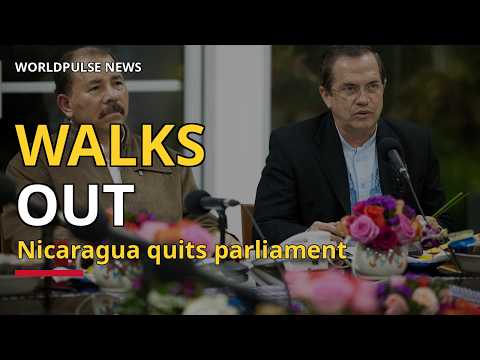
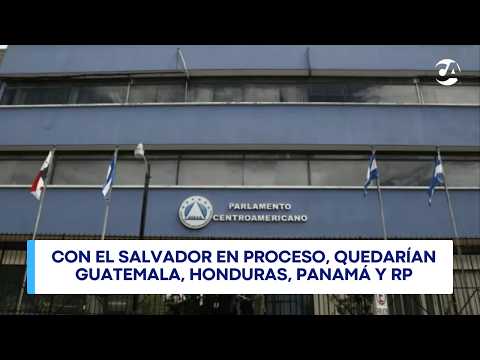
Nicaragua announced Saturday, October 3, that it is leaving the Central American Parliament (Parlacen), the six-country regional body, with immediate effect. The National Assembly unanimously repealed the 1988 decree that had approved the treaty on October 6. The exit followed an OAS resolution on October 2 that demands Nicaragua restore civil liberties and free political prisoners.

The Dominican Republic said October 2 it is closing its embassy in Managua over the lack of freedoms in Nicaragua. Nicaragua had closed its embassy in Santo Domingo on September 9. The OAS ministerial follow-up group is due to begin work within 30 days of the resolution and report within 60 days. Parlacen has not publicly set a formal response.

Why it matters

Nicaragua's exit from regional bodies removes formal channels for outside pressure on the Ortega government's human rights record.

Questions about this story

Free account needed to ask — your question is kept and asked for you right after sign-up. Answers are public.

No questions yet — be the first to ask.

Key Indicators

3
International bodies Nicaragua has left since 2023
OAS (2023), UN Human Rights Council (2025), Central American Parliament (2026)
8
Deaths in custody since 2018 per UN report
UN report released in September 2026 found the government responsible for at least eight deaths in custody
19
Years Ortega has held power
Daniel Ortega has been president since 2007, following an earlier term in the 1980s

Voices

Curated perspectives — historical figures and your fellow readers.

Sign up to generate historical perspectives on this story.

People Involved

Organizations Involved

Timeline

April 2018 October 2026

11 events Latest: October 6th, 2026 · 1 month ago Showing 8 of 11
Tap a bar to jump to that date
  1. Nicaragua's National Assembly repeals 1988 ratification

    Latest Legislative Action

    The National Assembly votes unanimously to repeal the 1988 decree that ratified the Central American Parliament treaty, formalizing the withdrawal.

  2. OAS creates negotiating group for Nicaragua

    Diplomatic Action

    The Organization of American States establishes a voluntary ministerial group to seek direct dialogue with Nicaragua's authorities, with 60 days to present conclusions.

  3. Parlacen board weighs Nicaragua's exit

    Diplomatic Action

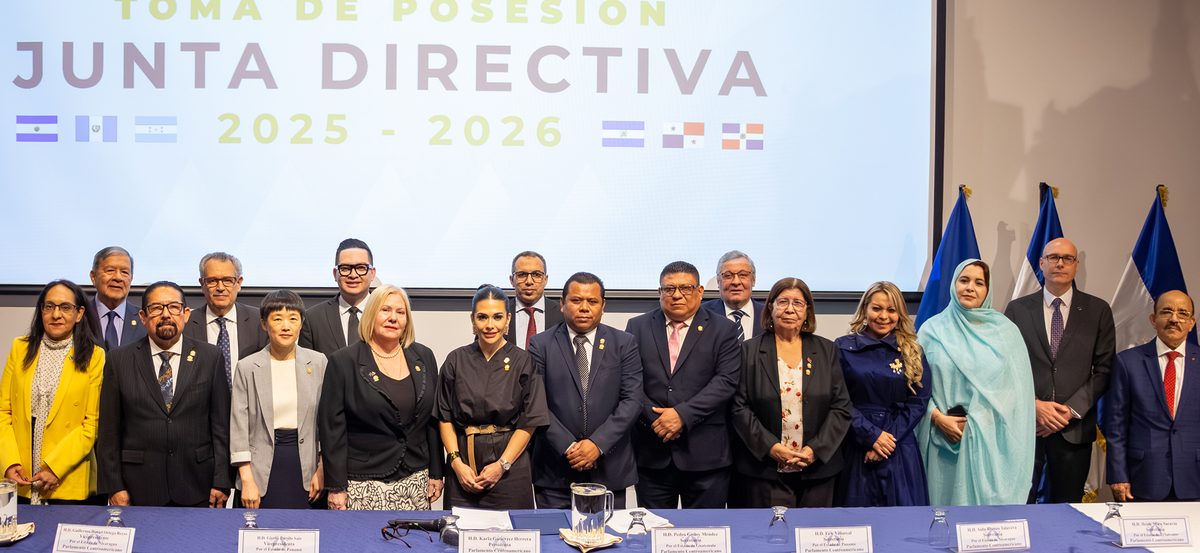
    President Karla Gutiérrez convened an extraordinary board meeting after Nicaragua's announcement. Parlacen said it is analyzing the legal and operational scope of the move and will send the matter to its internal deliberative bodies.

  4. Nicaragua announces withdrawal from Parlacen

    Withdrawal

    Foreign ministry denounces the 1987 treaty establishing the Central American Parliament, effective immediately.

  5. OAS resolution demands free elections

    Diplomatic Action

    OAS passes unanimous resolution demanding Nicaragua hold free elections and release political prisoners.

  6. Dominican Republic announces closure of Managua embassy

    Diplomatic Action

    The Dominican Republic said it is closing its embassy in Managua over the lack of freedoms and the state of democracy in Nicaragua. Nicaragua had closed its embassy in Santo Domingo on September 9.

  7. UN report finds deaths in custody

    Report

    UN report finds the government responsible for at least eight deaths in custody since 2018.

  8. Government announces abolition of elections

    Policy Change

    The Ortega government announces Nicaragua will no longer hold elections.

  9. Nicaragua withdraws from UN Human Rights Council

    Withdrawal

    Nicaragua announces exit from the UN Human Rights Council following a critical UN report.

  10. Nicaragua leaves the OAS

    Withdrawal

    Nicaragua exits the Organization of American States, calling it a tool for US interventionism.

  11. Protests suppressed in Nicaragua

    Conflict

    Social protests suppressed by police, resulting in more than 350 deaths and thousands of detentions.

Scenarios

1

Parlacen formally accepts Nicaragua's exit

Likely Resolves by Q1 2027

Discussed by: Analysts cited by Bloomberg Línea

The Parlacen board, led by Guatemalan deputy Karla Gutiérrez, reviews the legal implications of Nicaragua's letter and formally acknowledges the withdrawal. Nicaragua's aligned deputies lose their seats and stipends. The body continues with its five remaining members.

2

Parlacen disputes the withdrawal's legality

Possible Resolves by Q1 2027

Discussed by: Parlacen's own statement citing pacta sunt servanda

Parlacen argues the 1987 treaty requires proper notice and that Nicaragua's immediate exit violates international law. The body cites the principle of pacta sunt servanda, which holds that states must honor treaties they signed. The dispute could drag on without a formal resolution.

3

New international sanctions target Nicaragua

Possible Resolves by Q2 2027

Discussed by: US State Department, OAS member states

Following the OAS resolution and Nicaragua's exit from Parlacen, the United States or OAS member states impose new sanctions on Ortega's inner circle. The OAS resolution set a 90-day deadline for Nicaragua to meet its demands, which could trigger consequences if unmet.

4

OAS negotiating group secures concessions from Nicaragua

Possible Resolves by Dec 5, 2026

Discussed by: OAS member states, analysts cited by Paral.news

The voluntary ministerial group created by the OAS seeks direct dialogue with Nicaragua. If Ortega engages, the group could broker releases of political prisoners or other concessions. If not, the OAS may escalate with further measures.

5

Nicaragua Keeps Losing Ground in Central America's Integration System

Likely Resolves by Q2 2027

Discussed by: Analyst Carlos Murillo Zamora of the University of Costa Rica, cited by La Prensa Nicaragua

Murillo told La Prensa the regime left Parlacen to avoid answering to supranational bodies and because its influence was already shrinking. Managua failed to seat China and Russia as observers in the wider SICA bloc, which needs agreement among heads of state, and it opposed the April voting reform that let Costa Rica's Lina Ajoy Rojas become secretary general.

Historical Context

2 moments from history that rhyme with this story — and how they unfolded.

April 2017 - April 2019

Venezuela's withdrawal from OAS (2017-2019)

Venezuela announced in April 2017 it would leave the Organization of American States, accusing the body of interfering in its internal affairs. The withdrawal took effect in April 2019.

Then

Venezuela lost a formal forum for regional dialogue and faced growing isolation from hemispheric institutions.

Now

The exit did not end international pressure; the US and other countries continued sanctions against the Maduro government.

Why this matters now

Like Nicaragua, Venezuela left a regional body amid criticism of its human rights record, and the exit did not shield it from international consequences.

January 1962

Cuba's suspension from OAS (1962)

The Organization of American States suspended Cuba in January 1962, excluding the country from the regional body for decades.

Then

Cuba was formally excluded from OAS meetings and programs.

Now

The suspension lasted until 2009, when the OAS voted to lift it. Cuba never rejoined.

Why this matters now

Shows how a country's exit or exclusion from a regional body can become long-lasting, reshaping its diplomatic relationships for decades.

Sources

(19)