



Pull to refresh
Logo
OpenAI ships its first hardware, a keypad for coders

OpenAI ships its first hardware, a keypad for coders

New Capabilities

The Codex Micro is a $230 macro pad, and a first step toward OpenAI selling physical devices

July 15th, 2026: Codex Micro launches

Overview

Updated Jul 15

OpenAI has never sold a physical product. On July 15, it started, with a $230 desk gadget for programmers.

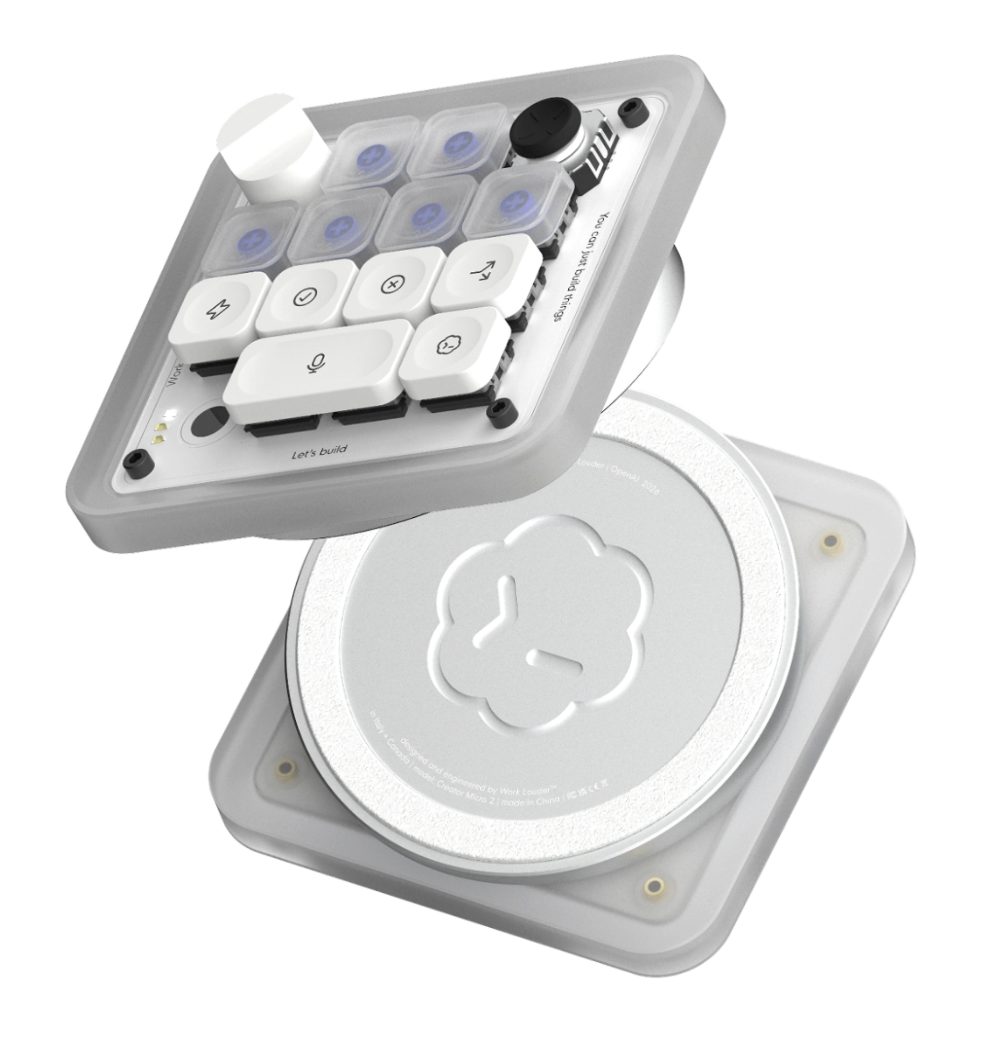
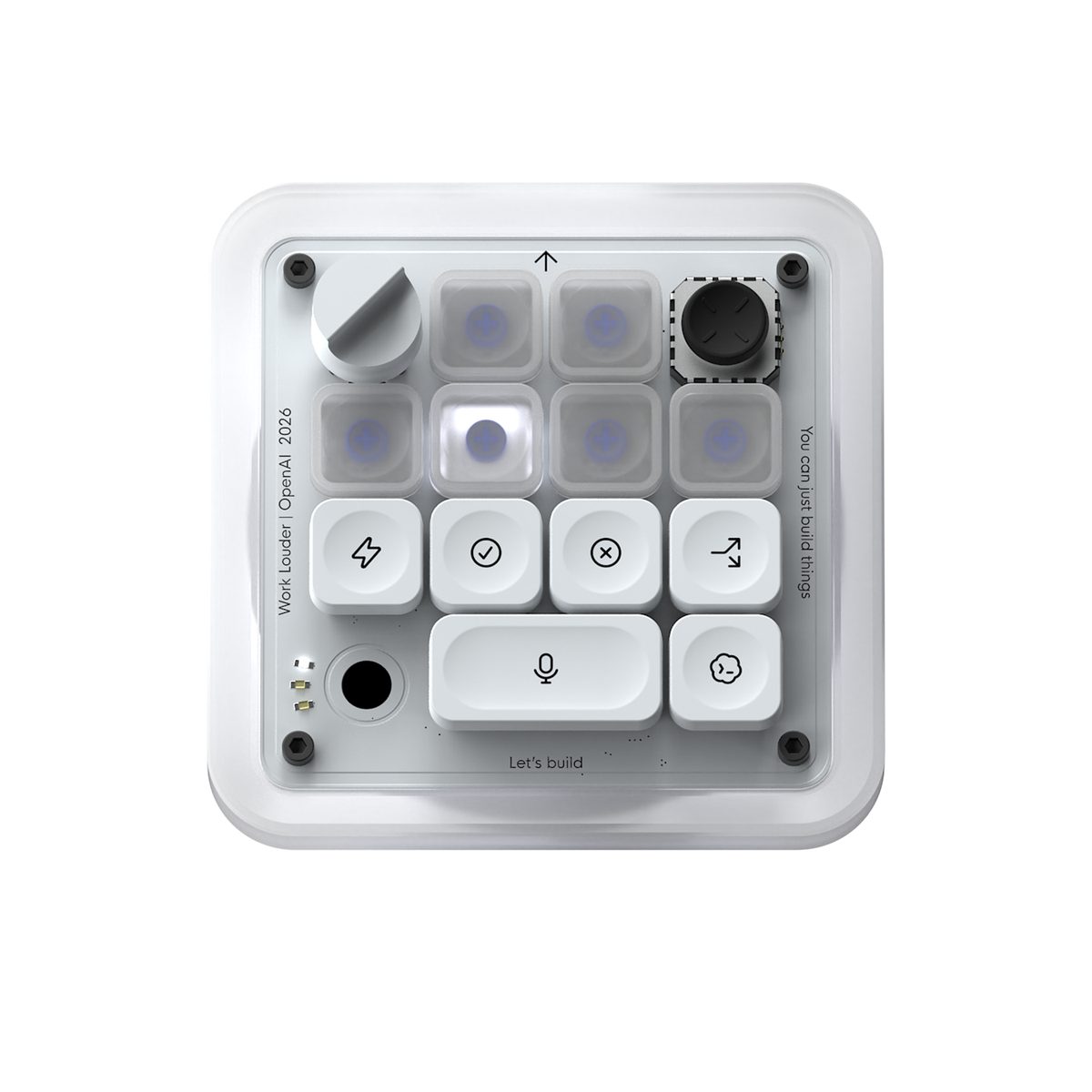
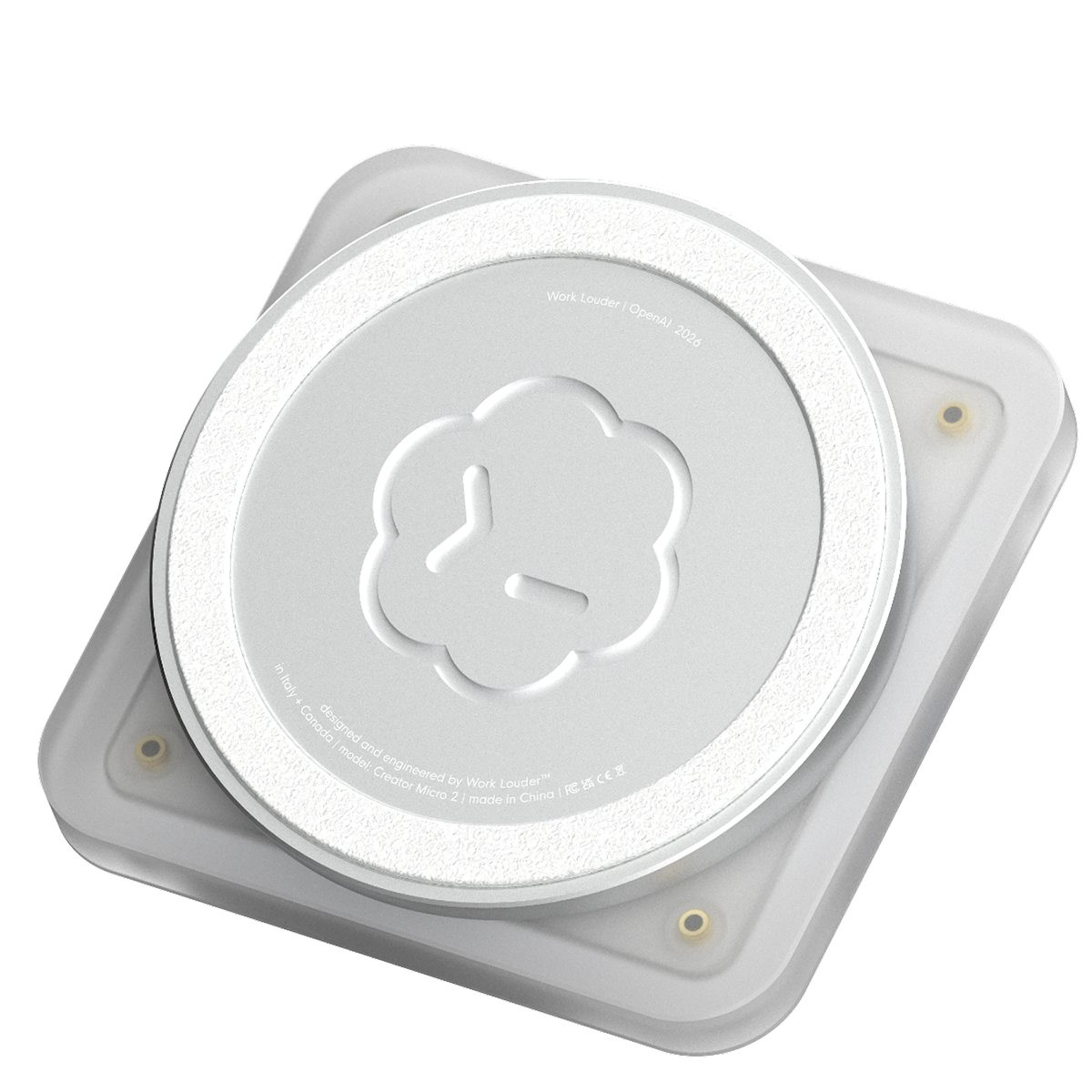
The Codex Micro is a small keypad wired to Codex, OpenAI's coding agent that reads a codebase, writes and tests code, and proposes changes. It ships to a base of roughly 5 million weekly Codex users. It is also a warm-up for a bigger bet: a screenless consumer device OpenAI is building with former Apple designer Jony Ive.

Why it matters

OpenAI is now testing whether the world's most-used AI lab can also become a hardware company, starting with the people who use it most.

Questions about this story

Free account needed to ask — your question is kept and asked for you right after sign-up. Answers are public.

No questions yet — be the first to ask.

Key Indicators

$230
Reported price
The price for the Codex Micro reported by The New Stack; OpenAI has not confirmed a figure publicly.
13
Mechanical keys
Six of them are backlit 'agent keys' that change color with the state of a running agent.
5M
Weekly Codex users
The developer base OpenAI is targeting, up more than six times since the desktop app launched in February 2026.
$6.5B
io acquisition
What OpenAI paid in stock in 2025 for Jony Ive's hardware startup, the base for its coming consumer device.

Voices

Curated perspectives — historical figures and your fellow readers.

Ever wondered what historical figures would say about today's headlines?

Sign up to generate historical perspectives on this story.

People Involved

Organizations Involved

Timeline

April 2025 July 2026

6 events Latest: July 15th, 2026 · 2 months ago
Tap a bar to jump to that date
  1. Codex Micro launches

    Latest Product

    OpenAI ships the Codex Micro, its first branded hardware. The keypad has 13 keys, a joystick, and a dial, with six backlit agent keys that change color as Codex works.

  2. OpenAI teases the Codex Micro

    Announcement

    OpenAI and Work Louder reveal the Codex Micro, a programmable macro pad, and set a July 15 launch.

  3. Codex crosses 5 million weekly users

    Milestone

    OpenAI says Codex passed 5 million weekly active users, more than six times its February figure.

  4. Codex desktop app launches

    Product

    OpenAI releases a desktop app for Codex. Weekly usage begins a steep climb over the following months.

  5. OpenAI buys Jony Ive's io

    Acquisition

    OpenAI acquires io, the hardware startup co-founded by former Apple designer Jony Ive, in a stock deal valued near $6.5 billion.

  6. OpenAI releases Codex CLI

    Product

    OpenAI ships an open-source coding agent that runs in the terminal, an early version of Codex.

Scenarios

1

OpenAI unveils its Jony Ive consumer device in 2026

Possible Resolves by End of 2026

Discussed by: CNBC, Bloomberg, and OpenAI executives at Davos

OpenAI has signaled a consumer hardware debut in the second half of 2026. If the screenless device built with Ive is publicly unveiled with real product details before year-end, the Codex Micro looks like a deliberate warm-up act rather than the main event. A reveal would mark OpenAI's true entry into mass-market hardware.

2

The Ive consumer device slips into 2027

Possible Resolves by End of 2026

Discussed by: Hardware analysts and reporting on Foxconn production timelines

Building a new consumer device category is hard, and hardware schedules routinely slip. If OpenAI's Ive device is not revealed by the end of 2026, the Codex Micro stays its only shipping hardware for longer than planned. That would put pressure on a company whose reputation is built on fast software releases, not manufacturing.

3

OpenAI ships a second developer hardware product

Uncertain Resolves by Jul 15, 2027

Discussed by: DevOps.com and developer-tools writers

If the Codex Micro sells well, OpenAI has an obvious next move: more accessories for its 5-million-strong developer base. A second branded developer device within a year would signal that hardware is a real product line, not a one-off experiment. It would also deepen the partnership with makers like Work Louder.

4

Codex passes 10 million weekly users

Likely Resolves by End of 2026

Discussed by: OpenAI usage disclosures and Constellation Research

Codex growth has been steep, and some reports already put usage above 8 million after the GPT-5.6 release. The larger that base grows, the bigger the market for Codex hardware. If OpenAI reports more than 10 million weekly Codex users by the end of 2026, the case for a physical accessory line strengthens considerably.

Historical Context

3 moments from history that rhyme with this story — and how they unfolded.

April 2013

Google Glass (2013)

Google, a software giant, launched a face-worn computer with a tiny display and camera. It drew huge hype and a $1,500 price. Public discomfort with the always-on camera and thin everyday use sank it.

Then

Glass became a punchline and was pulled from consumer sale in 2015.

Now

Google retreated to enterprise uses, a warning about software companies overreaching into wearables.

Why this matters now

It is the cautionary version of OpenAI's story: a dominant software firm can still stumble badly when it tries to put hardware on, or near, people's bodies.

November 2014

Amazon Echo and Alexa (2014)

Amazon, a software and retail company, launched a screenless voice speaker built around its Alexa assistant. Skeptics doubted people would talk to a cylinder on the counter. Tens of millions bought one.

Then

The Echo created a new home-device category and a lead in voice assistants.

Now

Amazon sold hundreds of millions of Alexa devices, though the business struggled to turn voice into profit.

Why this matters now

OpenAI's screenless Ive device chases the same bet Amazon made: that a voice-first gadget can open a hardware category a software company can own.

May 2017

Elgato Stream Deck (2017)

Elgato released a small pad of programmable LCD keys aimed at video streamers. Each key could trigger a scene switch, a sound, or an app command. It turned fiddly keyboard shortcuts into single physical buttons.

Then

Streamers adopted it quickly as a control surface for live broadcasts.

Now

The Stream Deck became a standard desk accessory and spawned larger and smaller versions for creators and office workers.

Why this matters now

The Codex Micro copies this playbook exactly: take the repetitive commands of a software workflow and give them dedicated physical keys.

Sources

(7)