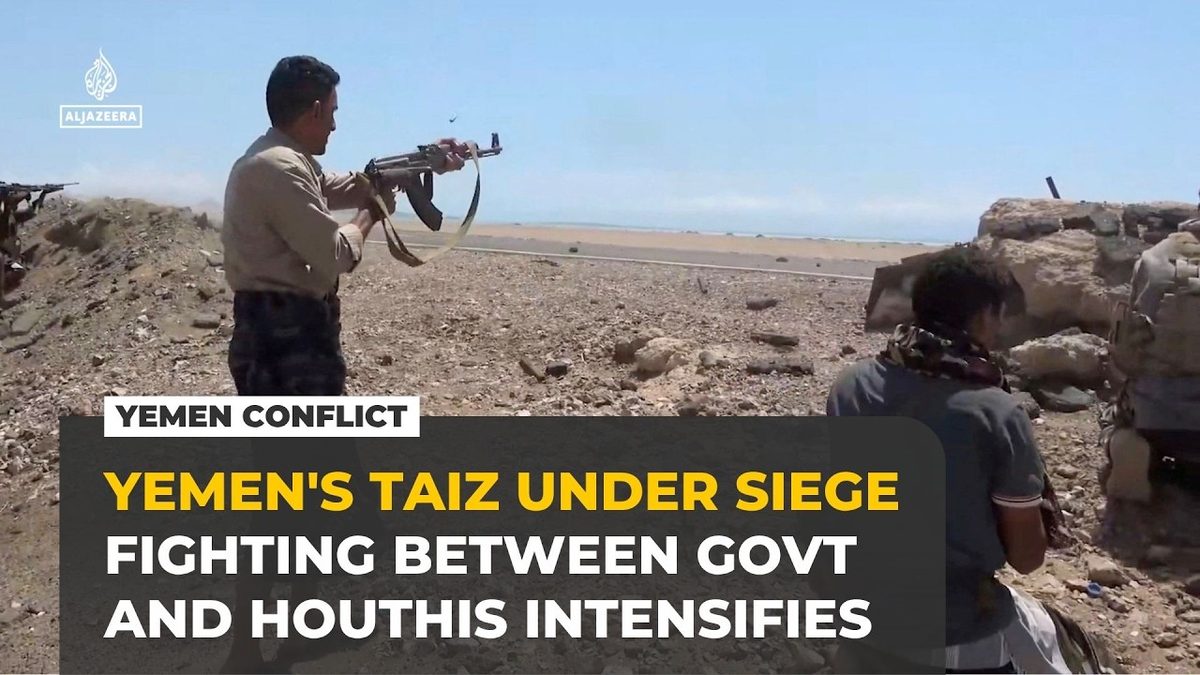
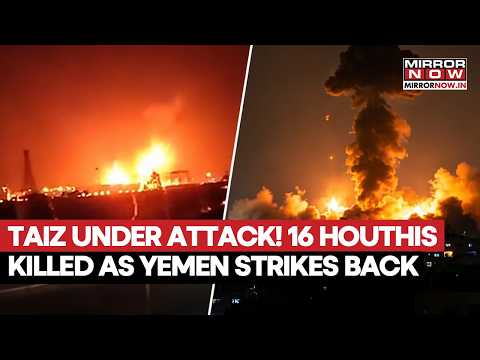
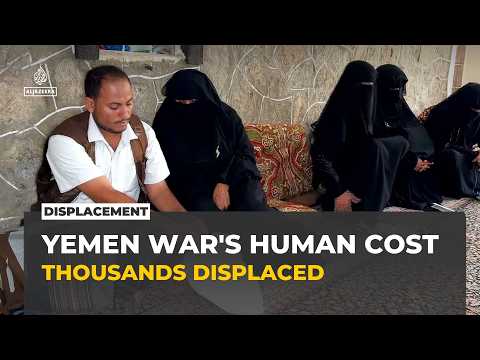
The UN says more than 290,000 people have been forced from their homes by fighting in Yemen since August. On Oct. 28 it put the figure at 281,000, up more than 20,000 in under a week, and said more than half are sheltering in Taiz governorate. Houthi fighters have encircled Taiz since early October and cut the road to Aden, the main supply route.
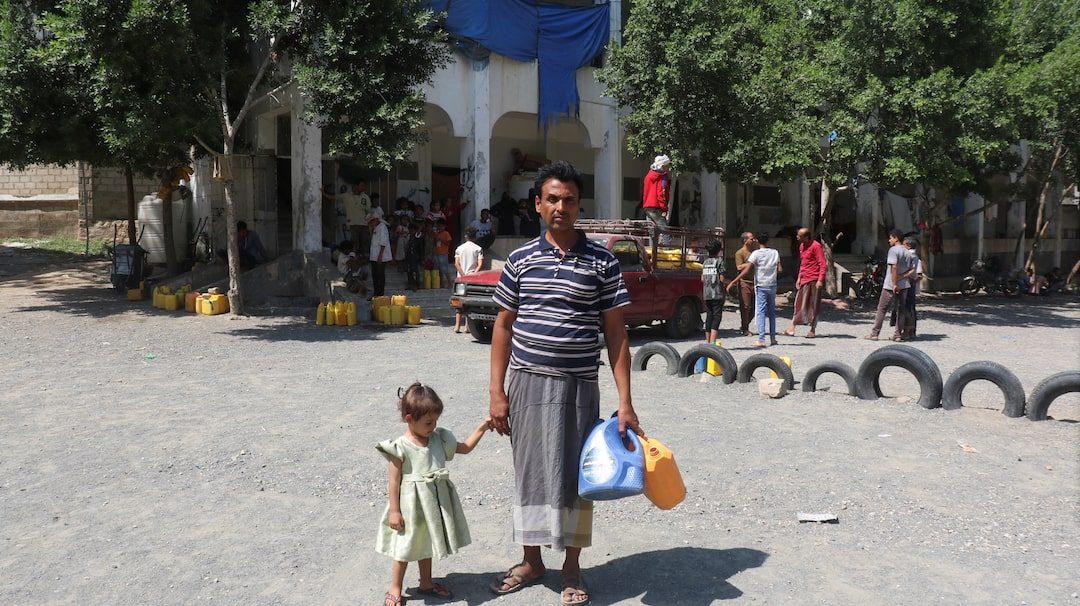
Taiz's water and health services are under growing strain. Governor Nabil Shamsan said residents lost access to about 3 million liters of water from wells in Wadi al-Dhubab, which is now under Houthi control. Human Rights Watch said Oct. 26 that a Houthi explosives attack on Oct. 18 badly damaged the Hayjat al-Abd road, a main route for food, fuel and medicine. The Houthi Health Ministry blamed government forces for a gas station strike that killed at least two people; the AP could not verify that claim.
Why it matters
If Taiz's water pumps stop, three million people lose safe water while cholera cases are rising across Yemen.
Questions about this story
Free account needed to ask — your question is kept and asked for you right after sign-up. Answers are public.
No questions yet — be the first to ask.
Key Indicators
290,000+
People displaced since August 1
UN figure reported Oct. 30-31. The UN put the count at 281,000 on Oct. 28, up more than 20,000 in under a week.
76%
Displacements originating from Taiz governorate
Taiz accounts for three-quarters of departures and hosts 52 percent of newly displaced families; Lahij accounts for 23 percent and Aden 13 percent.
3 million
People served by threatened Taiz water systems
UNICEF says the diesel shortage threatens pumping stations serving at least 1.6 million children. The Taiz governor says wells at Wadi al-Dhubab, now Houthi-controlled, are no longer accessible.
147
Civilian casualties verified in Taiz governorate
32 killed and 115 injured between Aug 1 and Oct 19, including 14 children and nine women among the dead, per the UN human rights office.
32
Civilians killed in Taiz governorate since August 1
OHCHR-verified deaths in Taiz governorate between Aug 1 and Oct 19, among them 14 children and nine women.
683
Suspected cholera cases in the week to Oct. 10
Up from 221 in the week ending Sept. 12. Yemen has also reported more than 22,800 suspected measles cases and 128 deaths this year.
~50%
Drop in Taiz City water production
Road closures disrupted fuel supplies for pumping stations; trucked water costs tripled.
17 events
Latest: October 30th, 2026 · 1 week ago
Showing 8 of 17
JK to step
Tap a bar to jump to that date
Jump to
October 2026
New fighting displaces 290,000, UN says
LatestHumanitarian
A new round of fighting in Yemen has forced tens of thousands more from their homes, bringing the UN count above 290,000. The UN also warned that pregnant women are at risk.
UN says displacement tops 281,000
Humanitarian
The UN said more than 281,000 people have been displaced since August, with over half in Taiz governorate. The count rose by more than 20,000 in under a week.
Taiz governor says residents lose access to Wadi al-Dhubab water
Humanitarian
Governor Nabil Shamsan said residents lost access to about 3 million liters of water from wells in Wadi al-Dhubab, which is under Houthi control.
Gas station strike in Taiz province kills at least two
Conflict
The Houthi Health Ministry blamed government forces for a strike on a gas station that killed at least two people. The AP could not independently verify the claim.
Human Rights Watch says Houthi road damage may breach international law
Diplomacy
Human Rights Watch said in a report that Houthi damage to the Hayjat al-Abd road worsens Taiz's humanitarian crisis and may be a violation of international law.
UNHCR confirms 250,000+ displaced
Humanitarian
UNHCR reports more than 250,000 people displaced between Aug 1 and Oct 17, with Taiz at the center; UNICEF warns water systems serving 3 million are at risk.
UN rights chief demands immediate aid access to Taiz
Diplomacy
Volker Türk called on the Houthis to open the Taiz-Aden road at once and let civilians leave freely, citing 32 civilians killed and 115 injured in the governorate between Aug 1 and Oct 19.
Houthi shelling kills two teenage girls in Taiz
Conflict
A strike on a residential area in Yemen's third-largest city killed two girls, the Associated Press reported from Taiz.
Houthi explosives damage Taiz access road
Conflict
Houthis used explosives to severely damage the Hayjat al-Abd road into Taiz, a main route for food, fuel and medicine. Human Rights Watch said the attack may violate international law.
DTM records 231,991 displaced since Aug 1; OHCHR verifies 233 civilian casualties, a third of them children.
Aid workers lose access between Taiz City and south
Humanitarian
Humanitarian partners can no longer move between Taiz City and its southern districts due to road closures.
September 2026
Houthis seize Red Sea coast territory; ~120,000 flee to Taiz
Conflict
Houthis take strategic territory from government forces along the Red Sea coast; about 120,000 people displaced to Taiz.
August 2026
Hostilities intensify sharply
Conflict
99 percent of displacement is recorded from this date onward as fighting escalates across multiple fronts.
July 2026
Houthis announce blockade of Saudi ports
Conflict
War reignites as the Houthis announce a blockade of Saudi ports, ending the post-truce calm.
April 2022
UN-brokered truce calms fighting
Diplomacy
A UN-mediated truce between Houthis and the government brings years of relative calm despite formally expiring.
March 2015
Saudi-led coalition intervenes
Conflict
A Saudi-led coalition begins a military campaign in support of the internationally recognized government.
September 2014
Houthis seize Sanaa
Conflict
The Houthis capture Yemen's capital, toppling the internationally recognized government and triggering civil war.
Scenarios
1
Taiz water systems fail, cholera outbreak spreads across displacement sites
Likely
Resolves by End of 2026
Discussed by: UNICEF and WHO warnings about diesel shortages and rising cholera alerts
If the Taiz-Aden road stays blocked, diesel for water pumps runs out, cutting safe water to about 3 million people. Cholera alerts from displacement sites are already increasing. UNICEF has prepositioned treatment supplies, but water and sanitation services in host districts were already among the weakest in the country.
2
Operation Dawn of Yemen breaks the Houthi siege of Taiz
Possible
Resolves by Q1 2027
Discussed by: Yemeni government military command and Saudi-led coalition statements
Government forces, backed by Saudi airstrikes, push toward Taiz and reopen the Aden-Taiz corridor. Aid convoys would then reach the city. Success depends on whether the coalition can sustain momentum against Houthi positions along the Red Sea coast and inland.
3
UN-brokered ceasefire pauses fighting, restores partial aid access
Uncertain
Resolves by Jan 31, 2027
Discussed by: UN mediators and international diplomatic pressure
International pressure produces a truce similar to the 2022 agreement that held for years. A ceasefire would reopen supply corridors, at least temporarily, and allow humanitarian partners to scale up. The 2022 precedent shows both that truces are achievable and that they can break down.
Historical Context
2 moments from history that rhyme with this story — and how they unfolded.
1 of 2
July 2012 - December 2016
Siege of Aleppo (2012-2016)
Syrian government forces besieged opposition-held eastern Aleppo for more than four years, cutting supply routes, blockading aid, and reducing the population to starvation-level shortages. The city's fall in December 2016 followed evacuation deals that moved tens of thousands of civilians.
Then
Eastern Aleppo fell to government forces after a sustained offensive; neighborhoods were destroyed and the opposition was crushed.
Now
Aleppo became the defining example of modern urban siege warfare, showing how blockades degrade civilian infrastructure, force mass displacement, and weaponize starvation.
Why this matters now
Taiz is following the same playbook: an encircled city, cut supply routes, collapsing water systems, and aid workers unable to reach civilians. The Aleppo precedent shows how quickly a siege turns from a military tactic into a humanitarian catastrophe.
2 of 2
April 2022
Yemen's 2022 UN Truce (April 2022 - 2026)
The UN brokered a truce between Houthis and the internationally recognized government in April 2022. Though the formal ceasefire lapsed in October 2022, both sides largely respected it for years, bringing the first sustained calm since the war began in 2014.
Then
Civilian casualties fell sharply and humanitarian access improved across much of the country.
Now
The truce's gradual breakdown in 2026 ended the calm and reignited full-scale fighting, demonstrating that Yemen's peace was never institutionalized, only paused.
Why this matters now
The current escalation is the collapse of that fragile pause. Understanding why the 2022 truce held for years — and why it broke — is central to judging whether a new ceasefire could hold.