
Pull to refresh
Logo
Judge restricts electioneering at Las Vegas early voting site after intimidation reports

Judge restricts electioneering at Las Vegas early voting site after intimidation reports

Rule Changes Las Vegas, NV local

The order kept a 100-foot electioneering buffer on the only path to Desert Breeze Community Center's polling place through Election Day.

Overview

Updated Nov 3

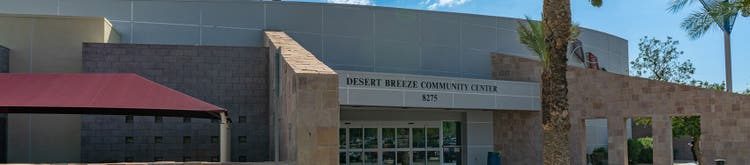
Judge Joe Hardy extended a temporary restraining order through Election Day, keeping a 100-foot zone free of campaign activity on the only walkway into the Desert Breeze Community Center polling site in Las Vegas. The order covered voting on Nov. 3, and no further court action has been reported since.

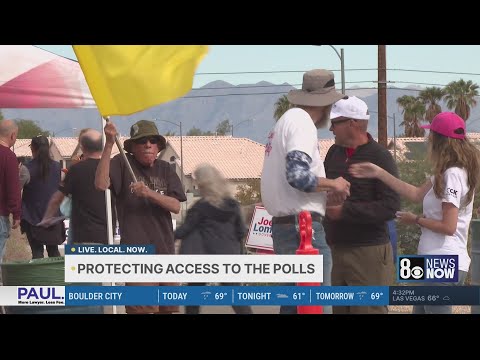
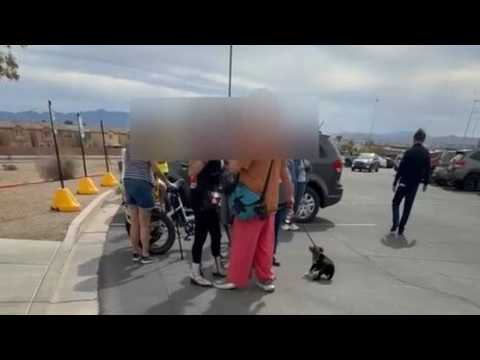
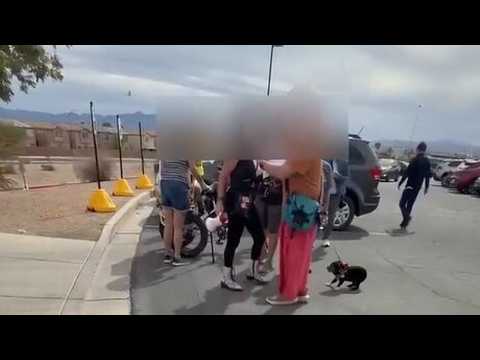
The American Civil Liberties Union of Nevada sought the order after voters reported being followed, recorded and insulted during early voting. One incident involved a woman pushing a bullhorn into a voter's face. The order named three unidentified defendants, Jane Does 1-3, and directed Clark County to keep the buffer in place through Nov. 3.

Why it matters

A court order kept one Las Vegas polling place calm through Election Day. The case shows how judges can police harassment at the polls.

Last Monday's email for Las Vegas, NV

Sent Nov 9. It carried:

Get next Monday's: one short email a week. Free. Unsubscribe in one click.

Questions about this story

Free account needed to ask — your question is kept and asked for you right after sign-up. Answers are public.

No questions yet — be the first to ask.

Key Indicators

100 ft
Electioneering buffer
Court order bars electioneering within 100 feet of the only path to the polling area.
15 ft
Width of access path
The sole route from the parking lot to the voting area is narrow, according to the ACLU.
3
Jane Doe defendants
Order applies to three unidentified individuals, plus Clark County.

Voices

Curated perspectives — historical figures and your fellow readers.

Sign up to generate historical perspectives on this story.

People Involved

Organizations Involved

Timeline

October 2026 November 2026

4 events Latest: November 2nd, 2026 · 1 week ago
Tap a bar to jump to that date
  1. Early voting opens; woman with bullhorn confronts voters

    Incident

    ACLU observers record a woman shouting at voters on the first day of early voting at Desert Breeze.

Scenarios

1

Judge extends restraints through Election Day

Deadline passed (Nov 4, 2026)

Discussed by: KLAS reporting

Judge Hardy extended the temporary order through Election Day on Nov. 2, keeping the 100-foot buffer in place through Nov. 3.

2

Order lapses after early voting ends

Deadline passed (Nov 4, 2026)

Discussed by: KLAS reporting on the extension

The temporary order was extended through Election Day, so it did not expire when early voting ended. It covered only through Nov. 3; no further extension has been reported.

3

Prosecutors file charges over bullhorn assault

Uncertain Resolves by End of 2026

Discussed by: KTNV reporting on an open police case

A voter said the woman pushed a bullhorn into his face. He was deciding whether to press assault charges, and police had an open case. If prosecutors review the videos and the complaint, they could file misdemeanor assault or voter intimidation charges against one of the Jane Does.

Historical Context

2 moments from history that rhyme with this story — and how they unfolded.

March 1965

Selma to Montgomery marches (1965)

Civil rights marchers crossing the Edmund Pettus Bridge in Selma, Alabama, were beaten by state troopers on March 7, 1965. The images helped build support for the Voting Rights Act, which Congress passed that August.

Then

Federal officials moved to protect marchers and Congress took up voting rights legislation.

Now

The Voting Rights Act gave the federal government tools to challenge state and local barriers to voting.

Why this matters now

The Selma events led to federal protections against the kind of polling-place intimidation the Las Vegas order addresses.

1982

Republican National Committee consent decree (1982)

After Democrats accused a Republican 'ballot security' task force of intimidating voters in New Jersey in 1981, the Republican National Committee agreed to a consent decree in 1982. It restricted poll-watching and voter challenges by the party.

Then

The decree set court-supervised rules for Republican poll watchers in several states.

Now

It remained in force for decades and became a model for using injunctions to control political group activity at polling places.

Why this matters now

The decree shows courts have used injunctions to set rules for political groups at polling places, not just individual harassers.

Sources

(5)