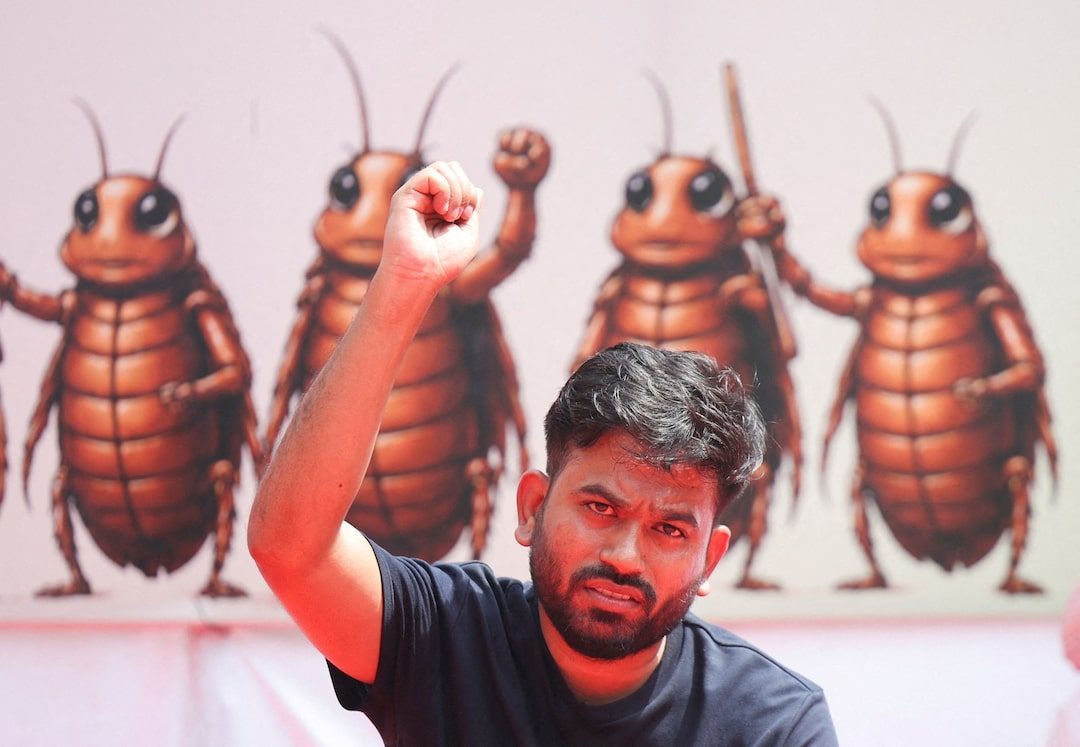
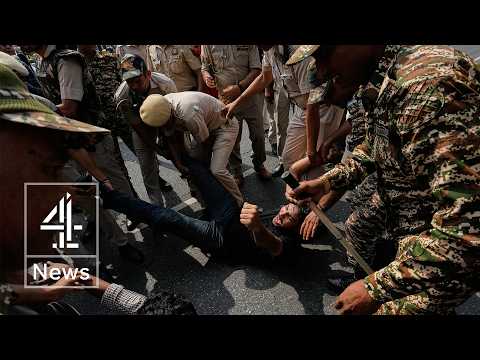
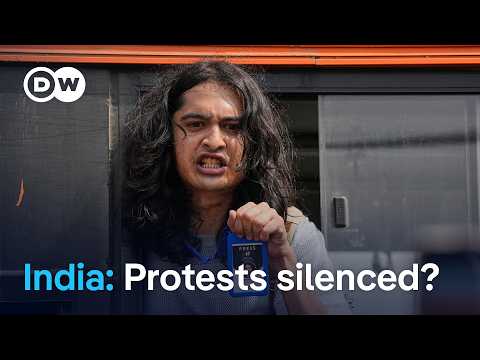
Ashutosh Ranka and Saurav Das are out of Tihar Jail on 50,000-rupee bonds, and their case now runs on two tracks: a magistrate's inquiry and a Crime Branch investigation. They reported to the magistrate on October 23 to verify their sureties and were told to return on November 3.
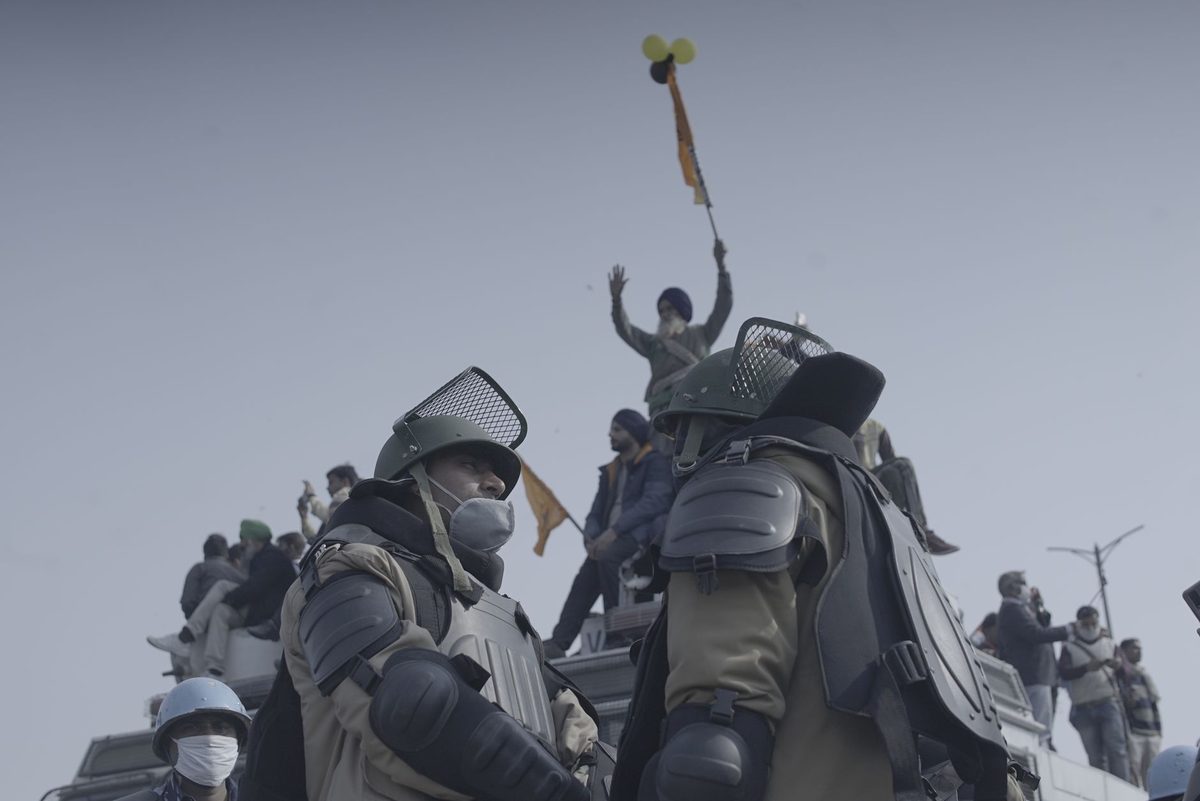
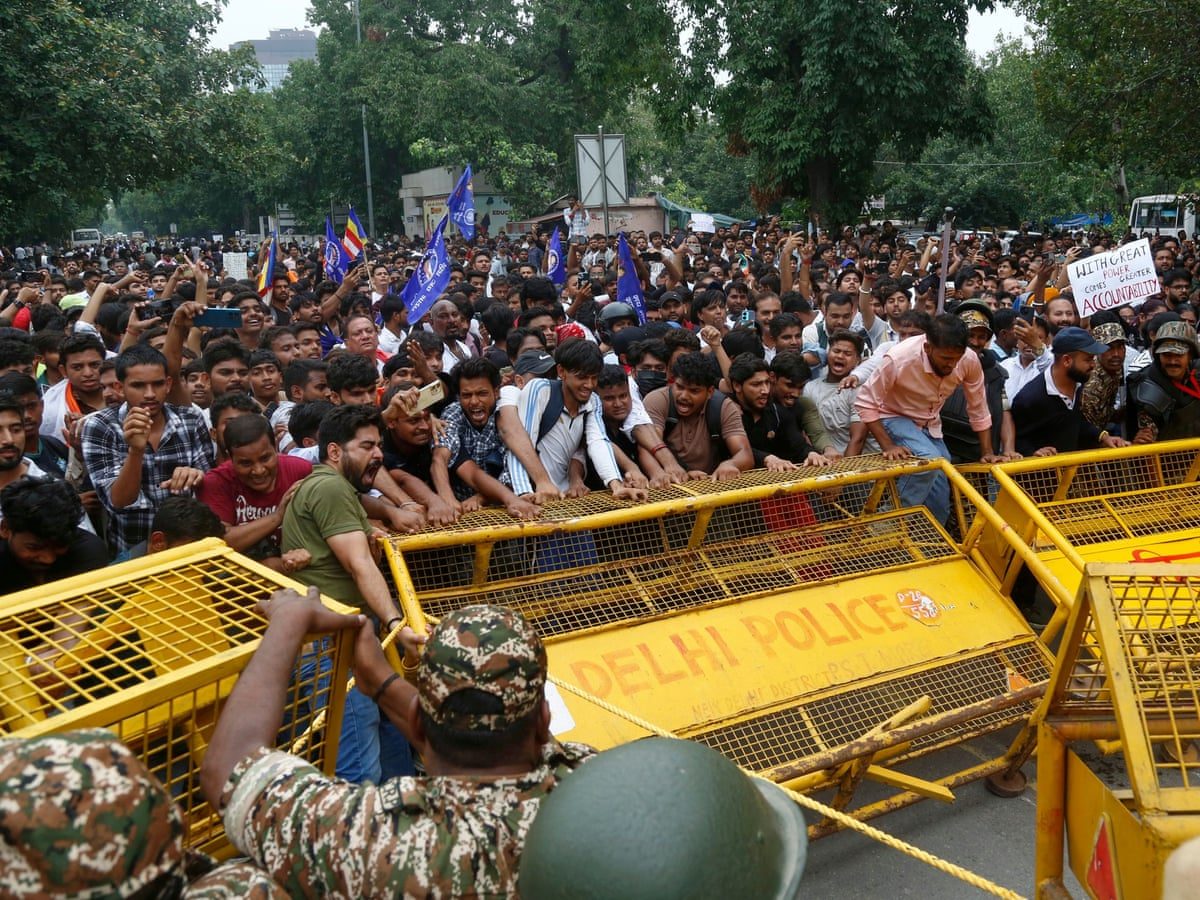
Police detained more than 100 people in central Delhi on October 23 as marchers headed for the Election Commission. The protesters want Chief Election Commissioner Gyanesh Kumar to resign over 130 million names cut from voter rolls. Farmer groups have called a Delhi mobilisation for November 26, and Das said the movement's next steps would be decided collectively.
Why it matters
The voter roll revision decides whether millions of Indians can vote, and the crackdown tests how far the capital will let people protest.
Questions about this story
Free account needed to ask — your question is kept and asked for you right after sign-up. Answers are public.
No questions yet — be the first to ask.
Key Indicators
130M
Names removed from voter lists
The Election Commission says the deletions included 28 million dead people, 63 million who moved and 30 million it could not trace.
Oct 21
Leaders released from Tihar Jail
A magistrate refused a third custody extension; Ranka and Das posted 50,000-rupee bonds and gave peace undertakings.
100+
Detained at the October 23 march
Police imposed Section 163 of the BNSS across central Delhi as the march set off toward the Election Commission.
Nov 3
Magistrate return date
Ranka, Das and Ajinkya Shinde were due back for surety verification after appearing on October 23; the outcome was not reported.
₹50,000
Bond posted by each leader
Personal bonds and sureties that secured their release from Tihar Jail on October 21.
16 events
Latest: October 23rd, 2026 · 3 weeks ago
Showing 8 of 16
JK to step
Tap a bar to jump to that date
October 2026
Marches against election chief called in Delhi and other cities
LatestProtest
A march toward the Election Commission in central Delhi was organised by People Against SIR, with CJP founder Abhijeet Dipke invited to join. Marches were also called in Bengaluru and other cities.
Police detain more than 100 at march to Election Commission
Protest
Officers imposed Section 163 of the BNSS across central Delhi as the Tiranga march, called by the Delhi Coordination Committee of People Against SIR, set off near Gole Dak Khana. Left parties and student groups joined the demand for the election chief's resignation.
Ranka, Das and Shinde appear before magistrate over sureties
Legal
The three reported to a Special Executive Magistrate at Mandir Marg police station to verify their sureties and were told to return on November 3. They undertook not to call protests at Jantar Mantar while it stays denotified.
Delhi High Court turns down AISA chief's plea against peace bond
Legal
Neha Bora had challenged a 10,000-rupee peace bond notice. The court declined and told her to furnish a personal bond of 10,000 rupees and one surety while the inquiry continues.
Crime Branch summons Das and Ranka over Jantar Mantar entry
Legal
The two were called to the Rajouri Garden office at noon to record statements in the two October 13 cases. They told investigators they were unavailable and asked for another date; CJP member Ajinkya Shinde was also summoned.
Magistrate orders Ranka and Das freed from Tihar Jail
Legal
The Special Executive Magistrate declined the police request for three more days of custody. The two walked out after posting 50,000-rupee bonds and undertaking not to call protests at Jantar Mantar while it remains denotified.
Delhi High Court questions CJP leaders over barricade breach
Legal
Justice Subramonium Prasad asked why Ranka and Das had come to the High Court rather than an appellate forum, and noted the challenge to Jantar Mantar's denotification is pending in the Supreme Court. The two withdrew their plea and were told to wait for the magistrate's hearing that day.
CJP asks Delhi High Court to overturn detention order
Legal
The party petitioned the Delhi High Court against the magistrate's extension of Ranka's and Das's custody, seeking an urgent hearing, including a night hearing. It said sureties and fixed deposit receipts offered on October 16 and 19 were rejected on trivial pretexts.
Farmer groups plan coordinated voter-roll protests
Protest
Farmer organisations said they would coordinate with the CJP campaign without formally joining it. Samyukt Kisan Morcha scheduled a nationwide action for October 23 and a mobilisation in Delhi and state capitals for November 26.
Court extends Ranka and Das custody by two days
Legal
A Special Executive Magistrate extended detention to October 21, citing a lack of respect for the law. The trespassing case was transferred to the crime branch the same day.
Magistrate steps aside from CJP leaders' bail hearing, citing threat
Legal
A Special Executive Magistrate hearing Ranka's and Das's bail petition recused himself, saying his life had been threatened; Delhi Police registered a case over the threat. The leaders' custody was extended by two more days.
CJP founder Dipke granted conditional bail
Legal
Abhijeet Dipke was released on a peace bond and an undertaking to keep public order, a day after police held him in preventive custody ahead of a planned march at Connaught Place.
CJP founder and student activist detained ahead of rally
Legal
Police detained Abhijeet Dipke and Neha Bora in preventive custody and closed Central Park. About 500 protesters reached Connaught Place in small groups despite barricades.
Ranka and Das remanded to five days in custody
Legal
A court sent the two leaders to judicial custody for trespassing and violating prohibitory orders. Shinde was released on a personal bond.
Three CJP activists detained at Jantar Mantar
Legal
Ranka, Das, and Ajinkya Shinde climbed over barricades to enter the site, waved the national flag, and shouted slogans against the election chief before being detained.
Jantar Mantar de-notified as protest site
Regulatory
Authorities removed the historic observatory from the list of approved demonstration sites, designating Ramlila Maidan, Burari Ground and CBD Ground instead. Reports differ on the exact day, placing it around October 12.
Scenarios
1
CJP leaders released, movement loses momentum
Deadline passed (Oct 25, 2026)
Discussed by: CJP legal team, which says it will challenge the custody order in higher court
Ranka and Das are released when their custody ends October 21 or on bail from a higher court. Without jailed figureheads, the near-daily protest cadence breaks, and the movement shifts to legal channels. The voter list dispute continues but fades from the streets.
2
Crackdown escalates, more leaders arrested
Likely
Resolves by Nov 15, 2026
Discussed by: Delhi Police, which has deployed thousands of additional officers and transferred the case to the crime branch
Police continue preventive detentions and file more serious charges, including under the Bharatiya Nagarik Suraksha Sanhita. The movement responds with larger rallies, drawing opposition parties and student groups into a broader confrontation. Arrests climb and the dispute becomes a national political flashpoint.
3
Election Commission revises voter lists
Unlikely
Resolves by End of 2026
Discussed by: Opposition parties and the CJP, which have demanded a formal review
Pressure from the protests and legal challenges forces the Election Commission to announce a review of the voter list changes, allowing affected voters to re-enroll through a simplified process. Kumar remains in office but the movement claims a partial victory, and protests taper off.
4
Delhi High Court orders the leaders released
Deadline passed (Oct 31, 2026)
Discussed by: Cockroach Janta Party, which has asked the High Court for an urgent hearing
The High Court takes up the party's challenge before or alongside the October 21 magistrate hearing and orders Ranka and Das freed, finding the repeated rejection of sureties unlawful. The movement gets a legal win and shifts its energy back to the streets.
5
Farmers widen the voter-roll protests
Possible
Resolves by Nov 26, 2026
Discussed by: Samyukt Kisan Morcha and other farmer organisations
Farmer groups hold their October 23 nationwide action and build toward the November 26 Delhi mobilisation, turning a youth-led camp into a broader rural coalition against the voter-list revision.
6
Crime Branch files charges against Das and Ranka
Likely
Resolves by End of 2026
Discussed by: Delhi Police, which moved both October 13 cases to its Crime Branch
The Crime Branch finishes its investigation into the October 13 entry at Jantar Mantar and files a chargesheet in the Connaught Place and Parliament Street cases. The two leaders face house trespass, disobeying a public servant's order and criminal conspiracy charges under the Bharatiya Nyaya Sanhita.
7
CJP joins the opposition bloc's November 1 protest
Deadline passed (Nov 1, 2026)
Discussed by: CJP leaders, who said the wider movement, not the party alone, would decide future plans
The INDIA bloc has called an agitation for November 1 over the voter roll revision. CJP leaders declined on October 23 to commit to joining it, saying many people are associated with the movement and everyone will decide the next course of action.
Historical Context
2 moments from history that rhyme with this story — and how they unfolded.
1 of 2
April 2011
Anna Hazare's India Against Corruption movement (2011)
Activist Anna Hazare held a fast at Jantar Mantar demanding a strong anti-corruption law, drawing tens of thousands of supporters. The movement later moved to Ramlila Maidan, where Hazare's 12-day fast forced the government to accept key demands.
Then
The government agreed to form a joint committee to draft the Lokpal bill, a major concession to the protesters.
Now
The movement energized civil society but the resulting legislation was weak and largely ineffective, showing the limits of protest-driven reform.
Why this matters now
Jantar Mantar has been India's symbolic protest venue for decades. The current crackdown's decision to de-notify it marks a break with that tradition and directly targets the space where movements like Hazare's built their power.
2 of 2
December 2019 - February 2020
Anti-CAA protests (2019-2020)
Student-led protests erupted across India against the Citizenship Amendment Act, with major demonstrations at Jamia Millia Islamia and Aligarh Muslim University. Police used batons, tear gas, and mass arrests, and the protests turned violent in some areas.
Then
The government held firm, and the protests were largely suppressed by early 2020, though the law remained contested in courts.
Now
The episode showed both the power of student-led movements in India and the state's willingness to use force against them, setting a precedent for the current crackdown.
Why this matters now
The CJP protests follow the same pattern: youth-led, digitally organized, and met with police force. The anti-CAA outcome suggests the government is unlikely to concede to street pressure alone.