

Pull to refresh
Logo
Kent County chief medical examiner retires after 44 years

Kent County chief medical examiner retires after 44 years

Rule Changes Grand Rapids, MI local

Dr. Stephen Cohle steps back; Dr. Amanda Fisher-Hubbard takes over Kent and Ottawa counties under an MSU partnership

Overview

Updated Oct 24

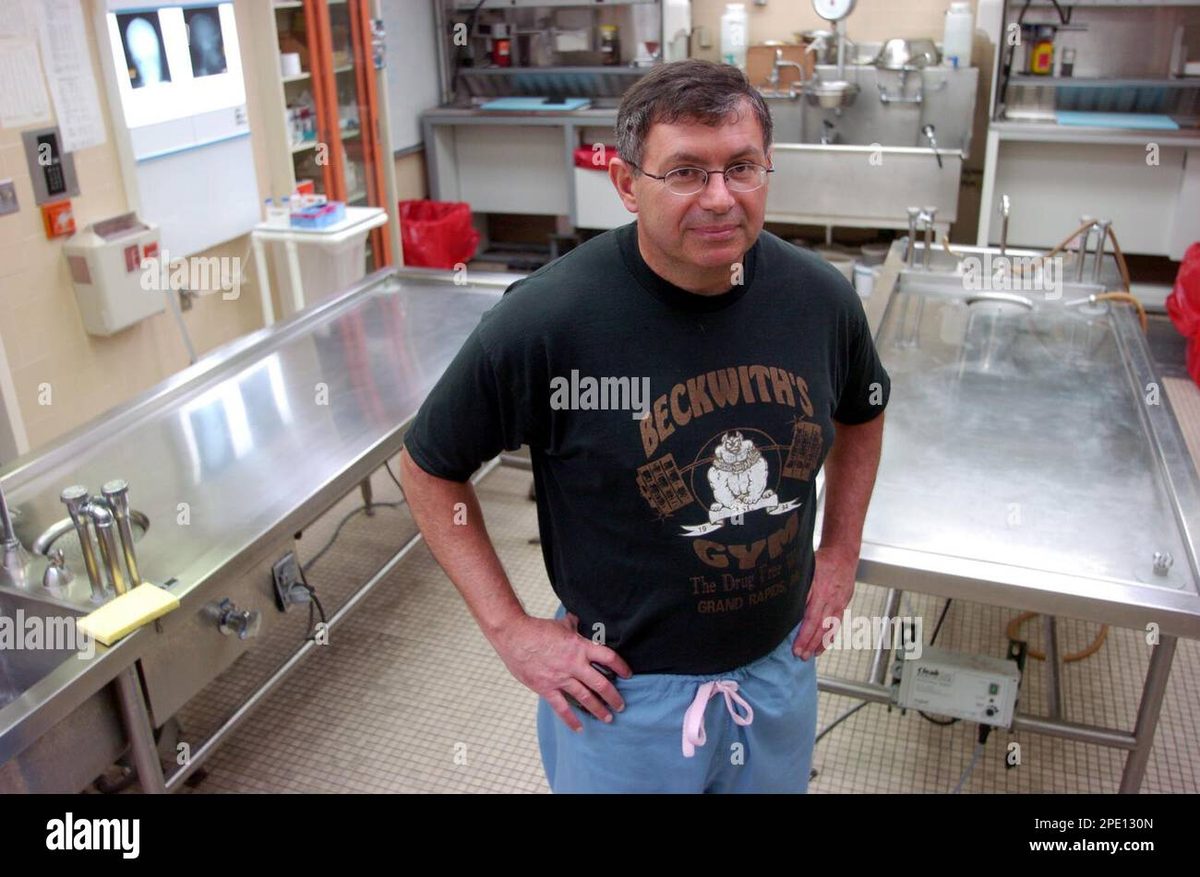
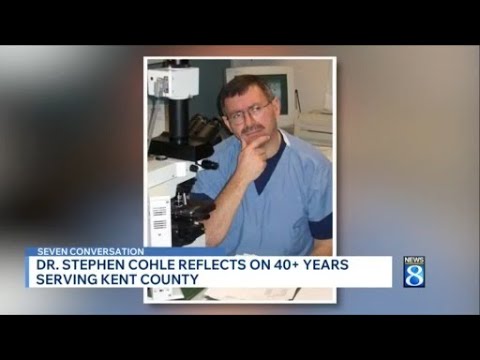
Dr. Stephen Cohle stepped back in October after 44 years in Kent County, and Dr. Amanda Fisher-Hubbard now runs the medical examiner's office for Kent and Ottawa counties. Dr. Nicolas Kostelecky is her deputy, and Cohle stays on part-time as a deputy.

Michigan State University's College of Osteopathic Medicine runs the service, based at Corewell Health Blodgett Hospital. County leaders are negotiating to buy a building on Cedar Street, with a July 2026 estimate putting the project at $18.5 million. Dean Joyce DeJong also wants a forensic science institute that would connect the office to MSU programs in forensic anthropology, toxicology, chemistry and biology.

Why it matters

A new chief now oversees how unexplained deaths in Kent County are investigated - the first change at the top of the office since 2002.

Last Monday's email for Grand Rapids, MI

Sent Nov 9. It carried:

Get next Monday's: one short email a week. Free. Unsubscribe in one click.

Questions about this story

Free account needed to ask — your question is kept and asked for you right after sign-up. Answers are public.

No questions yet — be the first to ask.

Key Indicators

1
Successor installed
Dr. Amanda Fisher-Hubbard started as chief medical examiner in October 2026.
2
Counties served
Kent and Ottawa counties now share the MSU-run medical examiner service.
$18.5M
Facility budget
Project budget for a new medical examiner building, per the July 2026 feasibility study.

Voices

Curated perspectives — historical figures and your fellow readers.

Sign up to generate historical perspectives on this story.

People Involved

Organizations Involved

Timeline

1982 October 2026

8 events Latest: October 7th, 2026 · 1 month ago
Tap a bar to jump to that date
  1. Retirement and part-time move reported

    Latest Announcement

    WOODTV reports Cohle is retiring from the chief role and moving to part-time work.

  2. Fisher-Hubbard and Kostelecky take over for Kent and Ottawa counties

    Leadership Change

    The two began work as chief and deputy medical examiner under an MSU College of Osteopathic Medicine partnership, based at Corewell Health Blodgett Hospital. Cohle continues as a part-time deputy.

  3. Cohle stepping back announced

    Announcement

    WGVU reports Cohle's retirement, announced at the State of the County presentation.

  4. Retirement celebration held

    Event

    County and health officials hold a celebration honoring Cohle's decades of service.

  5. Feasibility study prices medical examiner project at $18.5 million

    Planning

    TowerPinkster's study covered site and floor plans and a cost estimate for a Cedar Street building. Staff said it has room for the medical examiner's office, MSU and its medical students, plus a sally port. The next step was negotiating a purchase price.

  6. County tours Cedar Street building as possible medical examiner site

    Planning

    Kent County's leadership team and MSU representatives toured a Cedar Street facility, and staff sought authorization to hire TowerPinkster for a feasibility study and building assessment.

  7. Cohle becomes chief medical examiner

    Leadership Change

    Cohle takes over as Kent County's chief medical examiner, a role he holds for 24 years.

  8. Cohle joins Kent County

    Career Start

    Dr. Stephen Cohle arrives in Grand Rapids as a forensic pathologist.

Scenarios

1

Hubbard era begins with continuity

Likely Resolves by Oct 7, 2027

Discussed by: Kent County officials; WGVU coverage

Hubbard maintains Cohle's protocols and he remains available part-time to mentor her through complex cases. The transition is smooth, with no public complaints about backlogs or missteps. This is the outcome county administrators signaled when they framed the handoff as a planned succession.

2

Cohle fully retires within a year

Possible Resolves by Oct 7, 2027

Discussed by: Cohle's own comments; WOODTV reporting

The part-time arrangement fades as Cohle spends more time on chess, fishing, and golf. He stops taking cases entirely within 12 months, leaving the office entirely under Hubbard's direction. His institutional knowledge then leaves the county except for whatever he has transferred.

3

Hubbard brings structural changes

Unlikely Resolves by Oct 7, 2027

Discussed by: Forensic pathology workforce observers

Hubbard, brought in from a different county office, introduces new protocols, staffing changes, or technology updates. The office changes how it handles certain case types. This would represent a visible break from the Cohle era beyond just a change in personnel.

4

MSU builds a regional forensic science institute

Possible Resolves by End of 2027

Discussed by: Michigan State University College of Osteopathic Medicine Dean Joyce DeJong

DeJong wants to connect the Kent County medical examiner's office with MSU's forensic anthropology, toxicology, chemistry, and biology programs as a state resource. A new facility to house the medical examiner service is also under discussion, so the institute and the facility could advance together.

Historical Context

2 moments from history that rhyme with this story — and how they unfolded.

1989–2013

Charles Hirsch at NYC's medical examiner's office (1989–2013)

Dr. Charles Hirsch led New York City's Office of Chief Medical Examiner for 24 years, building it into a national model. He oversaw high-profile cases including the 2001 World Trade Center attack victim identification effort, which his office handled for years.

Then

Hirsch retired at 76, and his successor maintained the office's standing.

Now

The office's reputation for rigorous work became a template for other jurisdictions. A single long-tenured chief shaped its methods for a generation.

Why this matters now

Mirrors Cohle's 24-year chief tenure and shows how one ME's standards can define an office. A planned handoff, as in Kent County, preserves what the departing chief built.

1970–2006

Cyril Wecht in Allegheny County, Pennsylvania (1970–2006)

Cyril Wecht served as Allegheny County's coroner and later medical examiner across several decades, punctuated by removals, legal fights, and a federal trial on corruption charges of which he was acquitted. His public style made the office a flashpoint.

Then

Wecht's departures created recurring leadership instability in the office.

Now

The county moved from an elected coroner to an appointed medical examiner system, a structural shift driven by the messy transitions.

Why this matters now

A contrast case. Kent County's transition is orderly, with a successor named and the outgoing chief staying part-time, avoiding the instability Wecht's exits created.

Sources

(9)