
Pull to refresh
Logo
Consumers Energy starts Cherry Street grid upgrade serving Grand Rapids hospital

Consumers Energy starts Cherry Street grid upgrade serving Grand Rapids hospital

Built World Grand Rapids, MI local

Work near Trinity Health is part of a reliability push funded by a rate increase pending before Michigan regulators.

September 1st, 2026: Cherry Street duct bank construction begins

Overview

Updated Sep 4

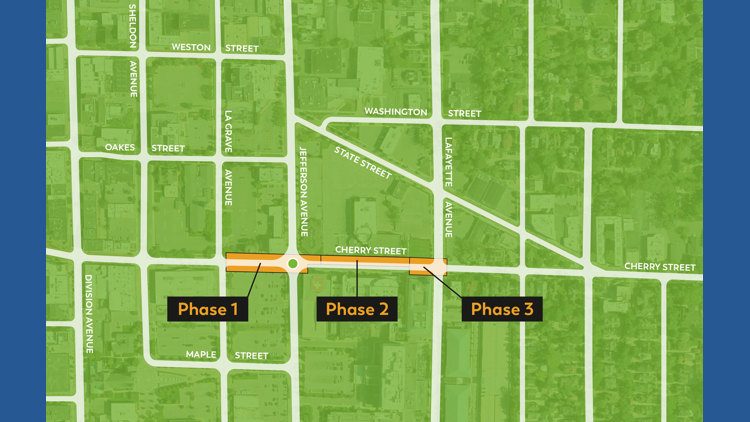
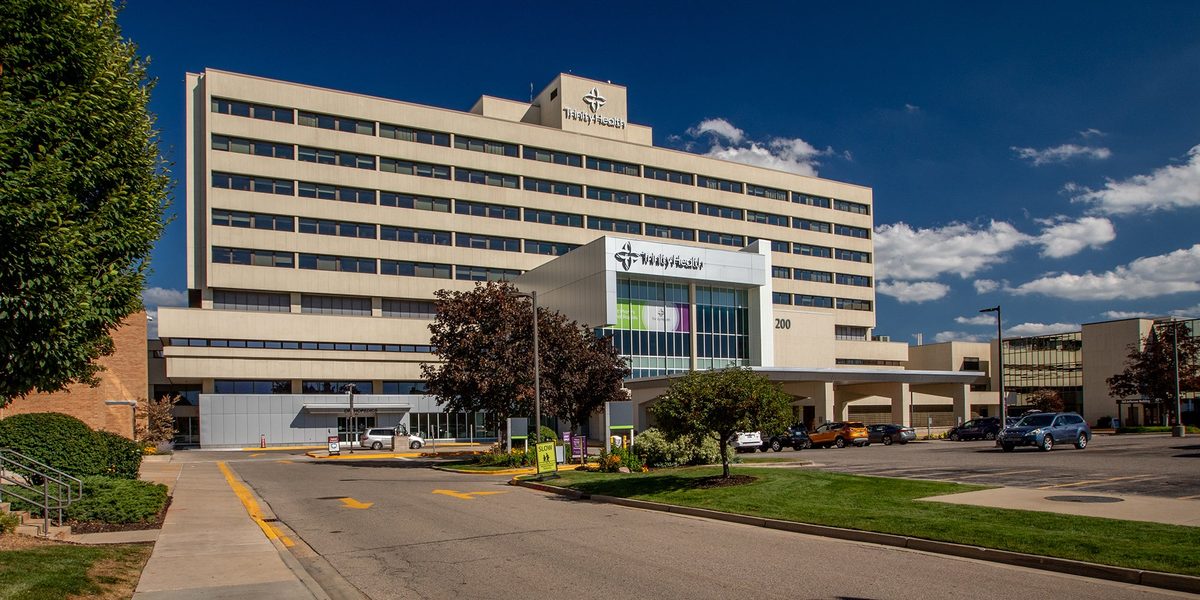
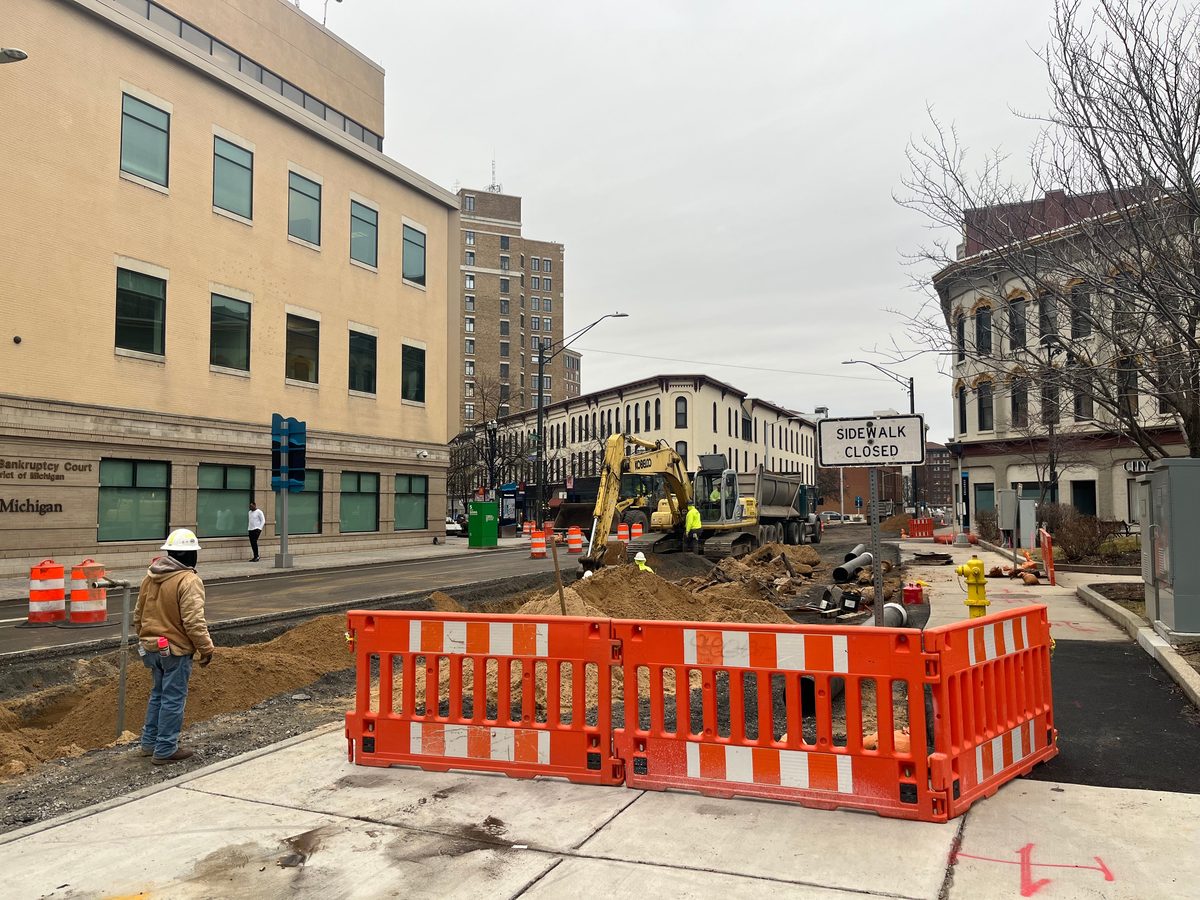
Construction crews started September 1 on Cherry Street in Grand Rapids, replacing underground duct banks that carry power to Trinity Health hospital and nearby businesses. The three-phase project closes busy intersections and reroutes traffic into early November.

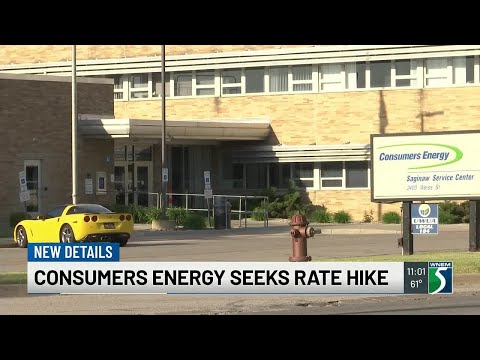
The work sits inside a much larger push. Consumers Energy has asked Michigan regulators for a 9% electric rate increase, citing aging infrastructure and changing weather, which would add $13 to the average monthly residential bill starting May 2027.

Why it matters

Trinity Health's power is getting hardened, but Michigan ratepayers would fund it through a $13-a-month electric bill increase.

Questions about this story

Free account needed to ask — your question is kept and asked for you right after sign-up. Answers are public.

No questions yet — be the first to ask.

Key Indicators

$13
Requested average monthly residential bill increase
Consumers Energy asked the MPSC for a 9% electric rate increase on June 2, 2026.
9%
Requested electric rate increase
Would lift the average $155 monthly bill by $13 starting May 2027.
3
Construction phases on Cherry Street
Each phase closes a different intersection near Trinity Health through early November.
May 2027
Earliest new electric rates could take effect
If the MPSC approves the filing as requested.

Voices

Curated perspectives — historical figures and your fellow readers.

Ever wondered what historical figures would say about today's headlines?

Sign up to generate historical perspectives on this story.

People Involved

Organizations Involved

Timeline

December 2025 September 2026

3 events Latest: September 1st, 2026 · 1 week ago
  1. Cherry Street duct bank construction begins

    Latest Construction

    Crews start replacing underground electric duct banks near Trinity Health, closing intersections in three phases through early November.

  2. Electric rate case filed

    Regulatory

    Consumers Energy asks the MPSC for a 9% electric rate increase, citing aging infrastructure and changing weather.

  3. Consumers Energy files natural gas rate case

    Regulatory

    The utility asks the MPSC for an 8.2% increase on natural gas bills, pending from November 2026.

Scenarios

1

MPSC approves Consumers Energy's full 9% rate request

Possible Resolves by Q2 2027

Discussed by: Consumers Energy's June 2026 filing; the company says the increase is needed to cover reliability work

The commission issues a final order in spring 2027 granting the full request. Average residential bills rise from $155 to about $168 a month, funding continued duct bank and substation work across the Lower Peninsula. Michigan utilities typically recover approved capital spending this way.

2

Regulators trim the rate request to a smaller increase

Likely Resolves by Q2 2027

Discussed by: Consumer advocates and the Michigan Attorney General's office, which typically intervene in utility rate cases

The MPSC grants a smaller increase than requested, or spreads the cost over more years. Bills rise less than $13 a month and Consumers Energy trims or stretches its spending plan. This outcome keeps the Cherry Street project funded but slows the pace of other grid work.

3

Cherry Street project runs past its November deadline

Possible Resolves by Nov 15, 2026

Discussed by: City construction notices, which warn schedules shift due to weather, equipment failures, and utility conflicts

The three phases drag past the announced early-November finish. Weather, buried utility conflicts, or supply delays keep intersections closed longer, tangling pick-up and drop-off traffic at the hospital into the holiday season.

Historical Context

3 moments from history that rhyme with this story — and how they unfolded.

August 2003

Northeast Blackout (August 2003)

A software bug and a tree hitting a transmission line triggered a cascade that cut power to 55 million people in the U.S. and Canada. It took days to restore service in parts of Ohio, Michigan, and the Northeast.

Then

Congress and regulators created mandatory reliability standards with penalties for violations.

Now

Utilities invested billions in grid monitoring and physical hardening.

Why this matters now

Hospital power supply and backup systems became a priority after the blackout, the same rationale behind the Cherry Street duct bank upgrade.

2017–2020

PG&E and California wildfire spending (2017–2020)

PG&E's equipment sparked deadly wildfires, driving the utility into bankruptcy in 2019. It exited with a plan to harden lines, bury cable, and trim trees across high-risk areas.

Then

California ratepayers absorbed the cost as bills climbed.

Now

The case set the pattern of utilities passing reliability spending to customers through regulated rate cases.

Why this matters now

That same rate-case cycle now funds Consumers Energy's reliability work, with the MPSC deciding how much customers pay.

February 2021

Winter Storm Uri (February 2021)

A deep freeze knocked out natural gas, water, and power across Texas and neighboring states. About 4.5 million people lost electricity, many for days, and roughly 250 died.

Then

Texas mandated weatherization for power plants and natural gas facilities.

Now

Utilities nationwide hardened equipment against extreme cold, a cost often recovered through higher rates.

Why this matters now

Consumers Energy points to changing weather as a reason for the spending that funds the Cherry Street project.

Sources

(4)