

Pull to refresh
Logo
Daily Brief
Following
Why Sign Up
FDA approves leucovorin for ultra-rare brain disorder, declines autism indication promoted by White House

FDA approves leucovorin for ultra-rare brain disorder, declines autism indication promoted by White House

Rule Changes
By Newzino Staff |

The approval covers roughly 1 in 1 million people — far fewer than the thousands the administration suggested could benefit

7 days ago: FDA approves leucovorin for rare disorder, declines autism

Overview

In September 2025, White House officials told parents of autistic children that a cheap, generic drug called leucovorin might improve their children's speech and behavior. Prescriptions surged 71% in the following months, pharmacies ran dry, and the Food and Drug Administration (FDA) allowed emergency imports from Canada and Spain. On March 10, 2026, the FDA approved leucovorin — but only for a genetic condition so rare that fewer than 50 cases have ever been identified worldwide, not for autism.

Key Indicators

~50
Known CFD-FOLR1 cases worldwide
The ultra-rare condition the FDA actually approved leucovorin to treat, estimated at roughly 1 in 1 million people
71%
Prescription surge after White House briefing
Increase in leucovorin prescriptions for children aged 5 to 17 in the three months following the September 2025 announcement, according to a Lancet study
93%
First-month prescription spike
Increase in leucovorin prescriptions during the first month alone after the White House briefing
1
Key study retracted
The largest randomized trial of leucovorin for autism — 77 children — was retracted in January 2026 over data errors

Interactive

Exploring all sides of a story is often best achieved with Play.

Ever wondered what historical figures would say about today's headlines?

Sign up to generate historical perspectives on this story.

Sign Up

Debate Arena

Two rounds, two personas, one winner. You set the crossfire.

People Involved

Organizations Involved

Timeline

  1. FDA approves leucovorin for rare disorder, declines autism

    Regulatory

    The FDA approves leucovorin for cerebral folate transport deficiency caused by FOLR1 gene variants — a condition affecting roughly 1 in 1 million people. The agency says evidence is insufficient to support an autism indication, contradicting its commissioner's September statements.

  2. Lancet study quantifies prescription surge

    Research

    A study published in The Lancet finds leucovorin prescriptions for children rose 71% above baseline in the three months after the White House briefing, with parents still unable to find the drug at pharmacies.

  3. Largest leucovorin-autism study retracted

    Research

    The European Journal of Pediatrics retracts the Panda-Sharawat trial after confirming data errors in multiple tables that the authors could not correct. Two of six authors agree with the retraction; four do not respond.

  4. FDA allows emergency leucovorin imports

    Regulatory

    Facing a nationwide shortage, the FDA issues a Dear Provider letter permitting Pfizer to temporarily import leucovorin tablets manufactured in Spain and marketed in Canada. Most domestic manufacturers have the drug on allocation or backorder.

  5. Leucovorin prescriptions spike 93% in first month

    Public Health

    Prescriptions for leucovorin among children aged 5 to 17 nearly double in the weeks following the White House briefing. Approximately 72% of new prescriptions are written for children diagnosed with autism.

  6. Researchers flag data errors in key study

    Research

    Independent investigators post concerns on PubPeer about numerical inconsistencies in the Panda-Sharawat leucovorin-autism trial. The European Journal of Pediatrics contacts the authors.

  7. White House promotes leucovorin for autism

    Political

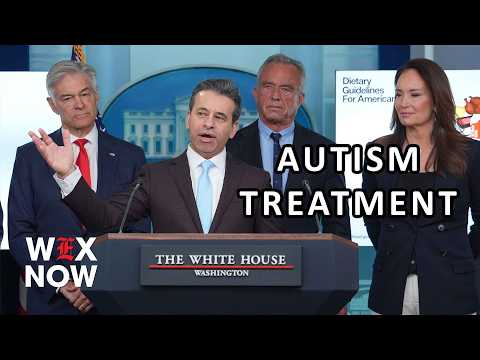
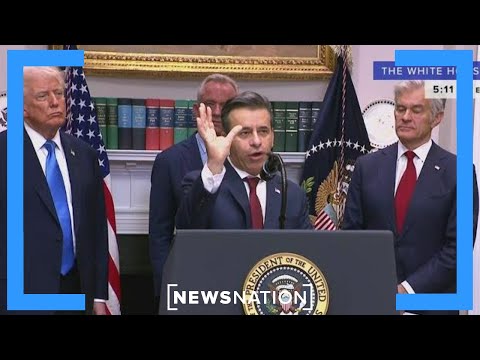
    President Trump, HHS Secretary Kennedy, and FDA Commissioner Makary announce in the Roosevelt Room that leucovorin could help thousands of children with autism. Makary cites studies suggesting the drug improves speech in roughly 60% of children with folate deficiency and autism.

  8. Largest leucovorin-autism trial published

    Research

    A team led by Panda and Sharawat publishes a randomized, double-blind, placebo-controlled trial of 77 autistic children in the European Journal of Pediatrics, reporting that 24 weeks of folinic acid reduced symptom severity.

  9. Wellcovorin enters U.S. market

    Background

    GSK begins marketing leucovorin calcium tablets under the brand name Wellcovorin for cancer-related uses. The drug helps counteract toxic side effects of certain chemotherapy regimens.

Scenarios

1

Off-label prescribing continues despite FDA's decision

Discussed by: Pediatric associations, Lancet researchers, prescribing-pattern analysts

Because leucovorin is a generic drug and doctors can prescribe it off-label for any condition, the FDA's decision not to approve it for autism may have limited practical effect. Physicians who believe the remaining small studies — and parents desperate for options — may continue using it for autistic children. The shortage would persist, and the evidence question would remain unresolved without new, large-scale clinical trials.

2

New clinical trials launched to settle the evidence question

Discussed by: Autism researchers including Richard Frye, National Institutes of Health, American Academy of Pediatrics

The retraction of the largest trial and the FDA's evidence concerns could prompt federal funding for a definitive, large-scale randomized controlled trial. With four smaller positive trials still on the record, researchers argue the hypothesis is worth testing properly. If the National Institutes of Health or a major foundation sponsors a trial with hundreds of participants, it could either validate leucovorin for a subgroup of autistic children or close the question.

3

FDA faces political pressure to reconsider autism indication

Discussed by: Health policy analysts, congressional observers, disability advocacy groups

The administration's September promises created expectations among millions of families affected by autism. If political appointees at HHS push the FDA to revisit its decision — or if Congress directs the agency to do so — the FDA could face a conflict between its evidentiary standards and political pressure. This scenario would test whether the FDA's career scientists can maintain independence on drug approvals under sustained political attention.

4

The leucovorin-autism hypothesis fades without new supporting evidence

Discussed by: Skeptical researchers, science journalists at STAT and The Transmitter

With the largest trial retracted and no new data forthcoming, the leucovorin-autism link could follow the path of other promoted-but-unproven treatments. Prescriptions would gradually return to baseline, the drug shortage would ease, and the episode would be remembered primarily as a case study in premature government endorsement of unproven therapies.

Historical Context

Hydroxychloroquine and COVID-19 (2020)

March-June 2020

What Happened

President Trump repeatedly promoted hydroxychloroquine as a treatment for COVID-19 based on limited early studies, saying he had heard "a lot of good stories" about the drug. The FDA granted an emergency use authorization in March 2020, allowing distribution from a national stockpile to hospitals. Prescriptions surged nationwide, creating shortages for patients who used the drug to manage lupus and rheumatoid arthritis.

Outcome

Short Term

Large randomized trials found no benefit. The FDA revoked the emergency authorization in June 2020 after determining hydroxychloroquine was unlikely to be effective and posed cardiac risks.

Long Term

The episode became a textbook example of how political promotion of unproven treatments can distort prescribing patterns, create drug shortages for existing patients, and erode public trust in regulatory agencies.

Why It's Relevant Today

The leucovorin situation follows a nearly identical pattern: presidential promotion of a drug based on limited evidence, a surge in prescriptions that created shortages for existing patients, and an eventual regulatory correction. The key difference is that leucovorin's September 2025 promotion came from the FDA's own commissioner, not just the White House.

Laetrile as a cancer treatment (1970s-1980s)

1970-1980

What Happened

Laetrile, a compound derived from apricot pits, was widely promoted as an alternative cancer cure throughout the 1970s despite no clinical evidence of effectiveness. Over 20 states legalized its use over the FDA's objections, driven by patient demand and political pressure. The FDA could only issue bulletins warning doctors it was worthless and potentially toxic due to cyanide content.

Outcome

Short Term

A clinical trial of 178 cancer patients found no anticancer benefit. The Supreme Court upheld a federal ban on interstate shipment of laetrile in 1980.

Long Term

The laetrile episode established important precedents about the tension between patient autonomy, political pressure, and evidence-based drug regulation. It demonstrated how desperate patient populations can be mobilized to circumvent regulatory safeguards.

Why It's Relevant Today

Like laetrile, leucovorin addresses a condition where families feel existing treatments are inadequate. Both cases show how demand from desperate patient populations — amplified by political figures — can outrun the available evidence, creating real consequences in drug supply and treatment decisions.

Sources

(12)