
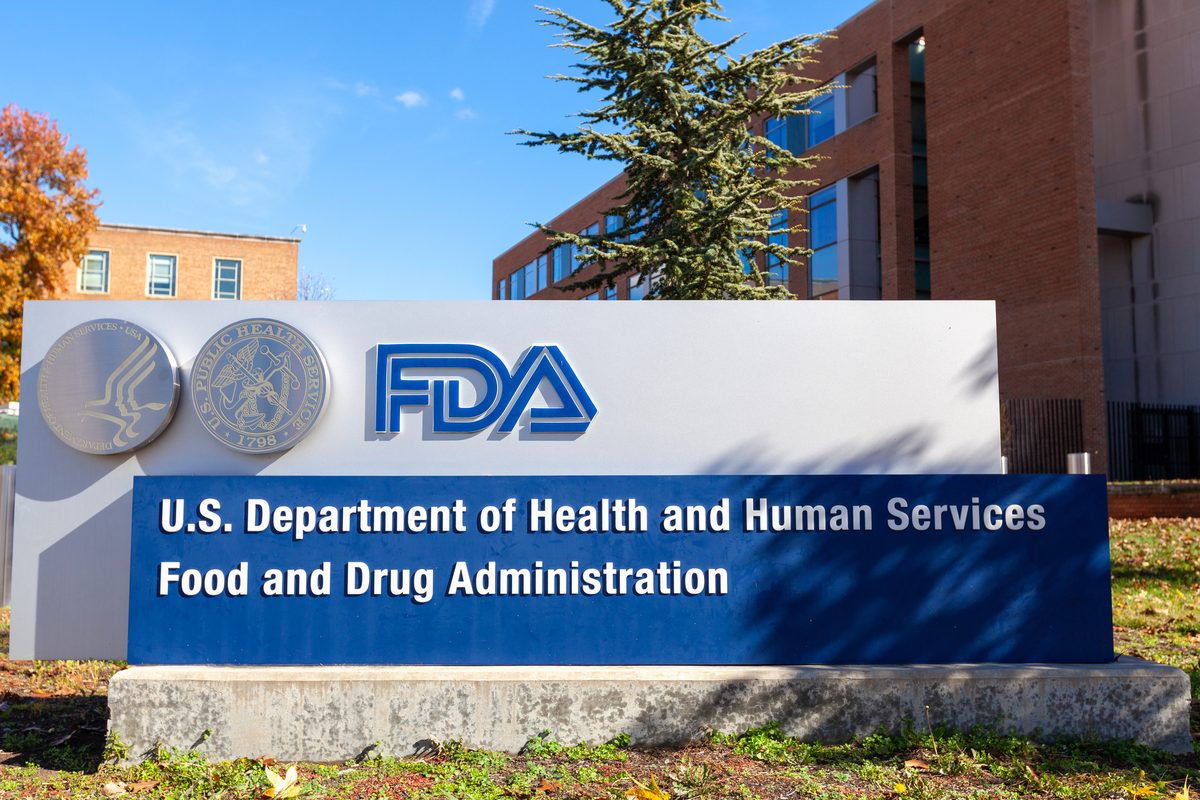



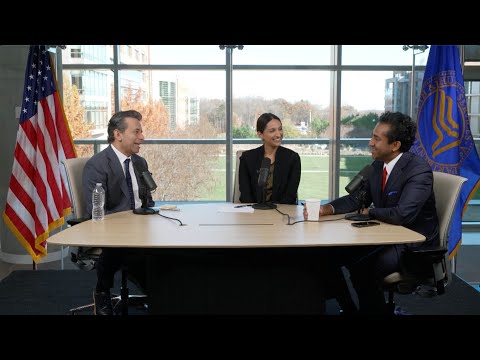
For 63 years, the Food and Drug Administration required drugmakers to prove their products worked in at least two rigorous clinical trials before Americans could take them. On February 18, 2026, Commissioner Marty Makary formally ended that standard, announcing that one trial will now be the "default position" for all new drugs—not just treatments for rare and fatal diseases, but medications for common conditions affecting millions of patients. In accompanying articles published in the New England Journal of Medicine and JAMA, Makary and Deputy Commissioner Vinay Prasad emphasized that the single-trial standard does not eliminate evidence requirements; instead, sponsors must provide "confirmative evidence" through mechanistic data, findings from related indications, animal models, real-world evidence, or data from drugs in the same class.
The change codifies a trend already underway: roughly 60% of first-of-a-kind drugs approved in recent years cleared on a single study. But by extending the single-trial standard to drugs for common diseases—previously ineligible—the FDA is making its largest reduction in evidence requirements since Congress mandated proof of effectiveness in 1962. However, the policy announcement coincided with internal FDA turbulence: on the same week, Deputy Commissioner Prasad rejected Moderna's flu vaccine application by overruling career staff, triggering White House intervention and a rapid reversal. The incident exposed tensions between Makary's stated commitment to predictability and Prasad's pattern of unilateral rejections, raising industry concerns about whether the new single-trial standard will actually reduce regulatory uncertainty or create new bottlenecks.