

Pull to refresh
Logo
Mayor creates task force to save Austin's Red River music district

Mayor creates task force to save Austin's Red River music district

Rule Changes Austin, TX local

Four venues closed in the past year and Valhalla is shutting down; thousands signed an open letter demanding city action

Overview

Updated Oct 25

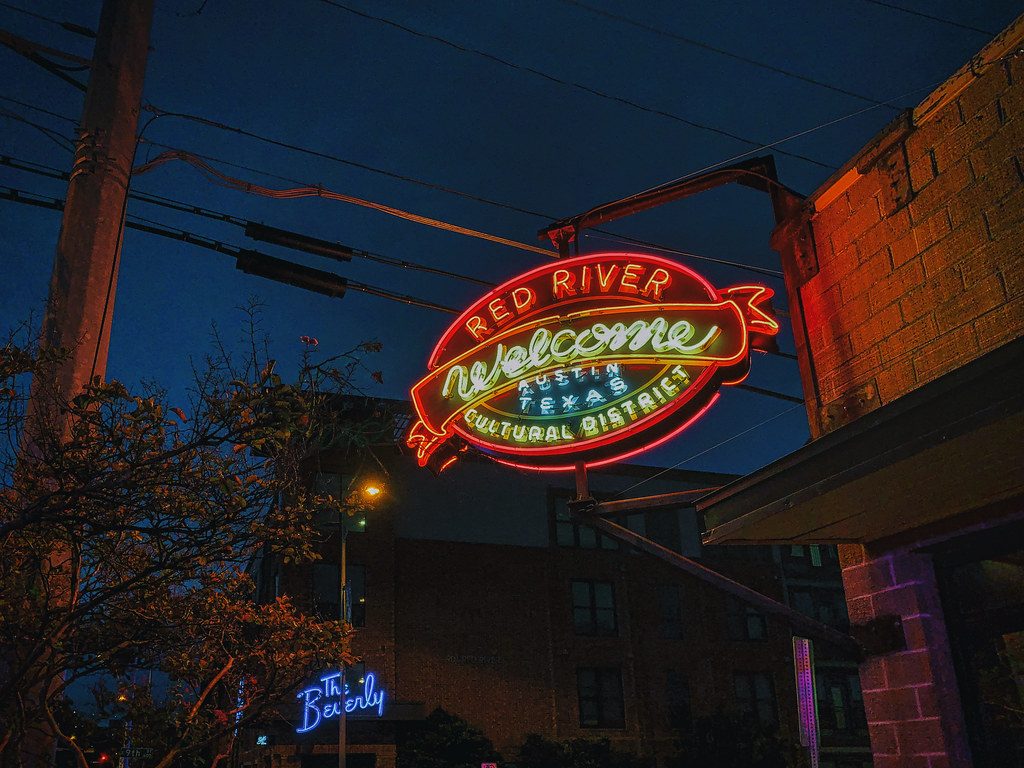
Mayor Kirk Watson created a task force on Oct. 20 to keep Red River's music venues open, after the district's open letter drew thousands of signatures. Four businesses there have closed in the past year, and Valhalla says it will shut down this fall after its building sold.

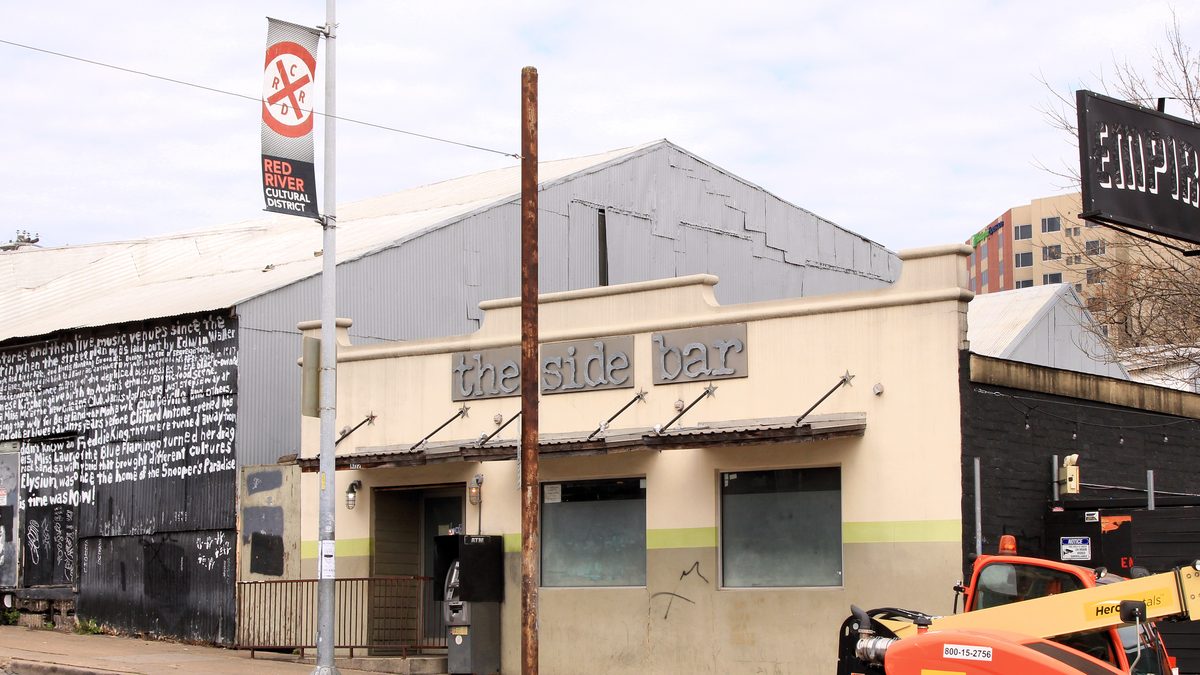
City staff are drafting district-specific rules through the Downtown Density Bonus update, with a full proposal due to council in early 2027; the district wants a cultural overlay with tax and fee breaks for venues. The vacant Empire Control Room and Garage complex is listed at $7 million, and its owners say they want an independent venue there. Smaller efforts are already running: free counseling for laid-off workers and $5 parking for musicians on gig nights.

Why it matters

If Red River venues keep closing, Austin loses the cultural and economic engine that defines its "Live Music Capital" identity.

Last Monday's email for Austin, TX

Sent Nov 9. It carried:

Get next Monday's: one short email a week. Free. Unsubscribe in one click.

Questions about this story

Free account needed to ask — your question is kept and asked for you right after sign-up. Answers are public.

No questions yet — be the first to ask.

Key Indicators

4
Venues closed in the past year
Koriente, Feels So Good, Empire Control Room and Garage, and Marlow closed. Valhalla announced it will close in fall 2026 after its building sold.
~2,000
Signatures in the letter's first day
The open letter drew nearly 2,000 signatures in its first 24 hours, RRCD executive director Nicole Klepadlo told Axios; the total later ran into the thousands.
$7M
Asking price for Empire complex
The former Empire Control Room and Garage space is listed at $7 million; its owners are looking for an independent venue operator.
$2.5B
RRCD economic impact over 5 years
The district generates $2.5 billion in total economic impact over five years, per RRCD.

Voices

Curated perspectives — historical figures and your fellow readers.

Sign up to generate historical perspectives on this story.

People Involved

Organizations Involved

Timeline

1991 October 2026

10 events Latest: October 20th, 2026 · 3 weeks ago
Tap a bar to jump to that date
  1. Mayor creates Task Force to Save Red River

    Latest Government

    Mayor Kirk Watson announces creation of task force led by Downtown Strategy Officer Jonathan Stone.

  2. Free counseling offered to displaced Red River workers

    Community

    Austin nonprofit Night Owl Therapy, working with the Red River Cultural District, began offering six free counseling sessions through November to workers affected by closures in the district.

  3. Musicians get $5 downtown parking rate

    Program

    Metropolis Technologies launched Park & Play, a $5 flat rate at select downtown garages for musicians working gigs. Nine more garages are expected to join in the coming weeks.

  4. RRCD releases open letter

    Advocacy

    The Red River Cultural District sent its public letter to the city on Sept. 8, asking for incentive, regulatory and rebate programs, preservation measures and financial investment.

  5. Four venues close; Valhalla announces its closure

    Closure

    Koriente, Feels So Good, Empire Control Room and Garage, and Marlow closed over the past year. Valhalla, a 17-year-old metal club, said it will close in fall 2026 after the sale of its building.

  6. Council directs infrastructure study

    Policy

    Resolution No. 20170608-033 directs the City Manager to explore public infrastructure enhancements in the Red River Cultural District.

  7. City designates Red River Cultural District

    Policy

    Resolution No. 20131017-036 formally designates the 600-900 blocks of Red River Street as a local Cultural District.

  8. Downtown Austin Plan warns of displacement

    Policy

    Plan names Red River venues at risk from Waller Creek development and recommends incentives to protect the district.

  9. CreateAustin plan quantifies music's impact

    Study

    CreateAustin Cultural Master Plan finds live music generates $616 million in economic impact and $11 million in local tax revenue.

  10. City Council first recognizes Red River

    Policy

    Resolution 910829-46 is the earliest formal City Council action recognizing the district that would become Red River.

Scenarios

1

Task Force Delivers Overlay, City Adopts Protections

Likely Resolves by Q2 2027

Discussed by: Red River Cultural District leadership, city officials

The task force, led by Jonathan Stone, completes its review and recommends a Red River Cultural District Overlay with codified protections. City Council adopts the overlay, giving venues zoning protections and incentive programs. This would fulfill the district's core ask.

2

More Venues Close Before Task Force Acts

Possible Resolves by Q1 2027

Discussed by: RRCD open letter, local musicians

The task force takes months to convene and deliver recommendations. Meanwhile, more venues close as buildings are listed for sale and rents rise. The district loses additional cultural spaces before any protections take effect.

3

City Commits Major Funding to Venue Preservation

Unlikely Resolves by End of 2027

Discussed by: RRCD, Downtown Austin Alliance

The task force recommends and the city commits significant funding to a venue preservation program, including acquisition support, rent subsidies, or low-cost financing for independent venues. This would be the first major financial commitment of its kind.

4

Empire Complex Reopens as an Independent Venue

Possible Resolves by Q2 2027

Discussed by: Andy Sernovitz of 606 Holdings, Red River Cultural District

The owners of the former Empire Control Room and Garage building find a buyer or operator willing to run an independent venue at the site, restoring the district's southern anchor alongside Stubb's. The building is listed at $7 million and has sat vacant since the venues closed over the summer.

Historical Context

3 moments from history that rhyme with this story — and how they unfolded.

1999

Liberty Lunch (1999)

Liberty Lunch was a beloved Austin music venue on West 2nd Street that hosted acts like Nirvana and R.E.M. In 1999, the city forced the venue to close to make way for the Austin Convention Center expansion, despite community protests.

Then

The venue was demolished. The loss became a cautionary tale about development displacing Austin's music culture.

Now

Liberty Lunch's closure is still cited as a symbol of Austin's willingness to sacrifice music venues for development.

Why this matters now

Liberty Lunch showed how Austin's own development decisions can destroy music venues. Red River faces the same pressure today.

2005-2006

CBGB (2006)

CBGB was the legendary Bowery club that launched the Ramones, Blondie, and Talking Heads. In 2005, the club's landlord demanded a rent increase from $19,000 to $39,000 per month, leading to a legal battle.

Then

CBGB closed in October 2006 after a final concert series. The space became a clothing store.

Now

The club's legacy now lives on at the Rock and Roll Hall of Fame, but its loss is a landmark example of rising rents killing iconic venues.

Why this matters now

CBGB shows how rising rents can kill even the most iconic music venues. Red River venues face similar economic pressure.

1980

Armadillo World Headquarters (1980)

The Armadillo World Headquarters was Austin's most famous music venue, hosting everyone from Willie Nelson to Bruce Springsteen. It closed in 1980 after the building was sold for redevelopment.

Then

The building was demolished and replaced with an office complex.

Now

The Armadillo's closing marked the end of an era for Austin's counterculture music scene and is a recurring reference point in preservation debates.

Why this matters now

The Armadillo's loss to redevelopment is a direct precedent for what Red River venues face now.

Sources

(11)