
Pull to refresh
Logo
Oregon farmer converts barley farm into wetland refuge for endangered fish

Oregon farmer converts barley farm into wetland refuge for endangered fish

Built World

70-acre project near Klamath Falls draws 140 bird species and raises rare suckers

5 days ago: Story goes viral on Reddit

Overview

Updated 4 days ago

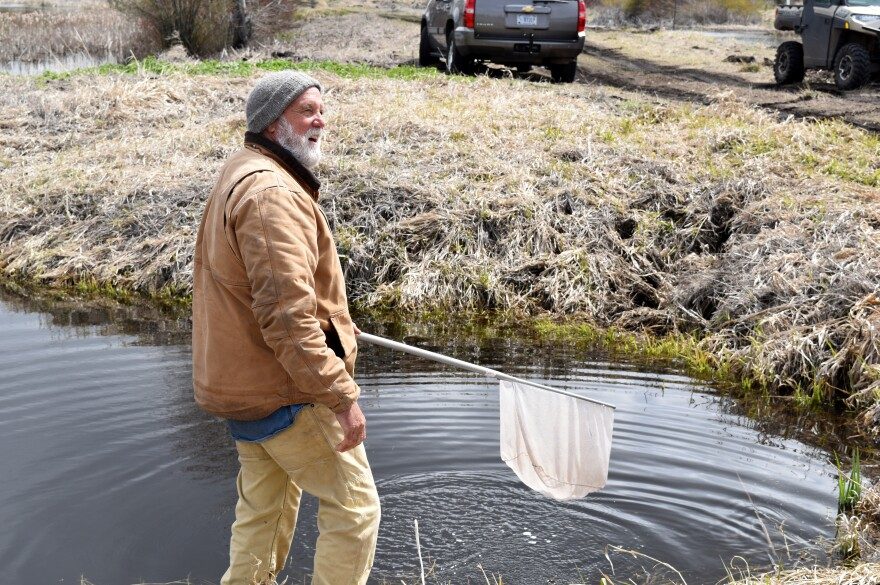
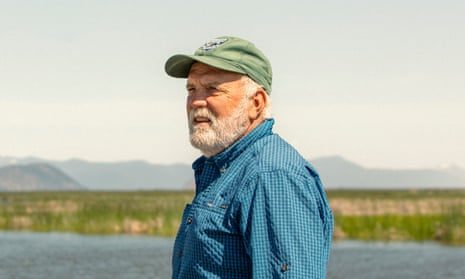
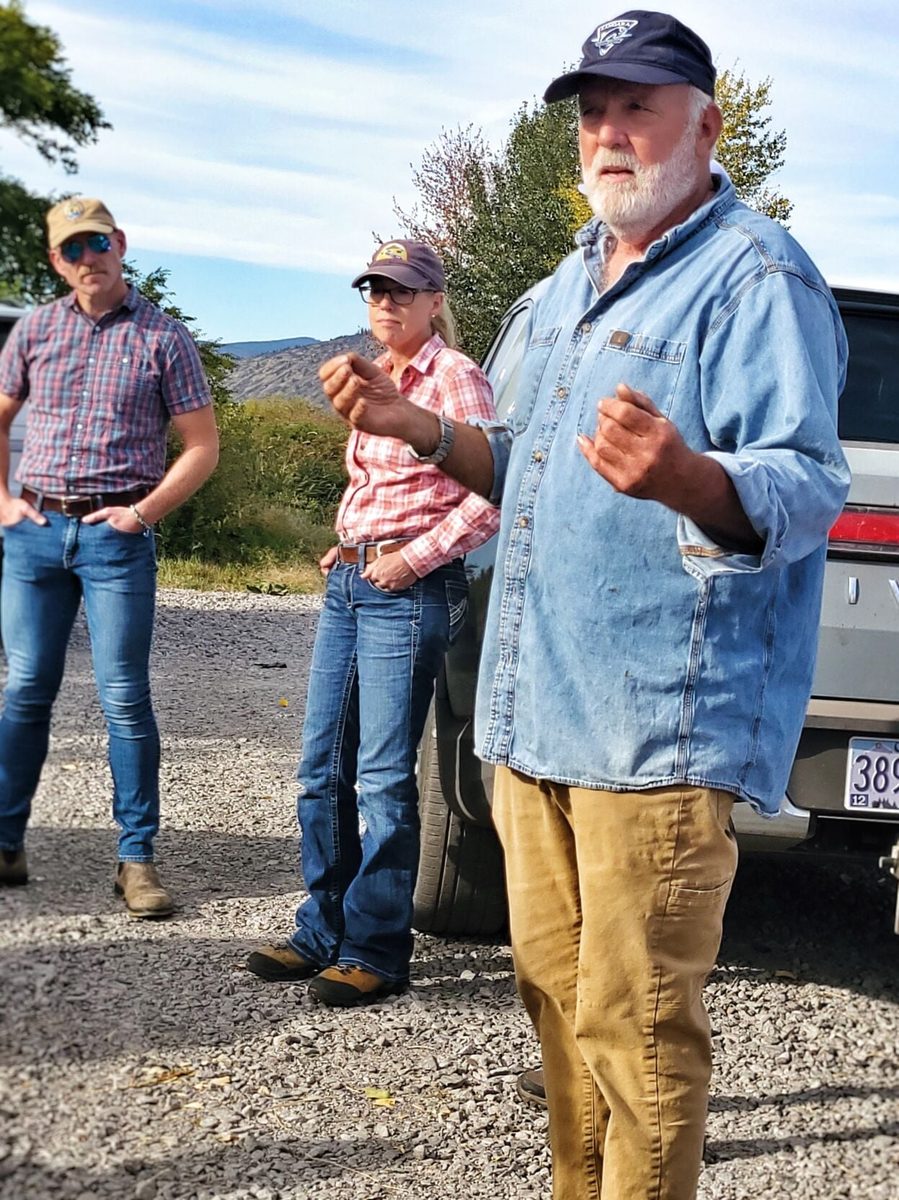
In 2021, Karl Wenner, a co-owner of Lakeside Farms near Klamath Falls, Oregon, bulldozed 70 of his 400 acres of barley fields into a wetland. Four years later it hosts at least 140 bird species and has successfully raised federally endangered suckers to adulthood.

The project was built to solve a phosphorus pollution problem: the farm's spring-fed runoff was exceeding state limits for Upper Klamath Lake. Instead of treating the water, he turned it into habitat. The wetland now acts as a natural filter, soaking up nutrients while providing sanctuary for migrating waterfowl and rearing ground for c'waam and koptu, two sucker species sacred to the Klamath Tribes.

Why it matters

This wetland proves that converting farmland to marsh can clean polluted water and help endangered fish survive to adulthood.

Questions about this story

Free account needed to ask — your question is kept and asked for you right after sign-up. Answers are public.

No questions yet — be the first to ask.

Key Indicators

140
Bird species documented at the wetland
Includes tens of thousands of ducks, geese, and swans during migration.
50
Adult endangered suckers recovered in 2025
Found after partially draining the rearing pond; fish were up to 16 inches long.
70 acres
Farmland converted from barley to wetland
Out of Lakeside Farms' total 400 acres.

Voices

Curated perspectives — historical figures and your fellow readers.

Ever wondered what historical figures would say about today's headlines?

Sign up to generate historical perspectives on this story.

People Involved

Organizations Involved

Timeline

January 2017 September 2026

7 events Latest: 5 days ago
Tap a bar to jump to that date
  1. Story goes viral on Reddit

    Latest Media

    A Reddit post in r/UpliftingNews shares the story, bringing national attention to the project.

  2. Adult suckers recovered

    Milestone

    Partial drainage of the wetland reveals 50 adult suckers, up to 16 inches long, some of breeding age.

  3. Guardian feature story

    Media

    The Guardian highlights the farm-to-wetland conversion and its wildlife abundance.

  4. OPB reports on project

    Media

    Oregon Public Broadcasting details the wetland's role in nutrient filtration and fish habitat.

  5. Sucker juveniles stocked

    Conservation

    Nearly 5,500 young Lost River and shortnose suckers are introduced to the wetland pond.

  6. Wetland construction begins

    Infrastructure

    70 acres of barley fields are flattened, diked, and flooded with spring water, creating marshes with nesting islands.

  7. Wenner buys into Lakeside Farms

    Ownership

    Orthopedic surgeon Karl Wenner purchases a stake in the barley farm, initially for duck hunting.

Scenarios

1

Wetland restoration model spreads across Klamath Basin

Likely Resolves by End of 2029

Discussed by: Yale e360, The Guardian, local conservation groups

Buoyed by the sucker-rearing success and water-quality benefits, other farms and agencies in the Klamath Basin adopt similar wetland conversion projects. The U.S. Fish and Wildlife Service expands its experimental population program, and new funding becomes available through the Infrastructure Act. Over the next 3-5 years, thousands of additional acres revert to wetland, improving habitat connectivity for birds and fish.

2

Genetic testing confirms most suckers are endangered c'waam and koptu, triggering broader recovery efforts

Possible Resolves by Q2 2027

Discussed by: Klamath Tribes, U.S. Fish and Wildlife Service

DNA analysis of the 50 recovered fish shows a majority are the endangered Lost River and shortnose suckers, not the common Klamath largescale sucker. This validates the wetland approach as a viable juvenile-rearing habitat. Agencies allocate more funding to enhance and replicate this 'walking wetland' method across the basin, potentially doubling the available habitat for these fish.

3

Funding cuts or regulatory hurdles halt expansion

Unlikely Resolves by Jan 20, 2027

Discussed by: Natural Resources Conservation Service, local farmers

The current NRCS cost-share program expires or is underfunded, making it economically unviable for farmers to take land out of production. Without compensation, no new wetlands break ground. The existing Lakeside wetland remains, but its pending expansion (like the walking wetland rotation to other fields) stalls. The sucker experiment continues but does not scale beyond the current site.

Historical Context

2 moments from history that rhyme with this story — and how they unfolded.

2023-2024

Klamath River dam removal (2023-2024)

Four aging hydroelectric dams on the Klamath River were removed—the largest dam removal project in U.S. history—reopening 400 miles of habitat for salmon and steelhead.

Then

Salmon returned to historic spawning grounds within months; water quality improved.

Now

Set a precedent for large-scale river restoration and tribal co-management of waterways.

Why this matters now

The dam removal and Lakeside Farms wetland are parallel parts of the Klamath Basin's ecological recovery, showing that both river and floodplain restoration are needed to revive native fish and bird populations.

1990s-present

Everglades restoration agricultural buffers (1990s–present)

Florida's Everglades, long polluted by agricultural runoff, saw the creation of vast stormwater treatment areas and buffer wetlands. These natural filters absorb phosphorus and nitrogen before water enters sensitive ecosystems.

Then

Reduced phosphorus loads in the Everglades, though recovery remains incomplete.

Now

Established 'treatment wetlands' as a standard tool for managing agricultural pollution at scale.

Why this matters now

Lakeside Farms applies the same principle on a much smaller scale, demonstrating that even a 70-acre wetland can measurably improve water quality and support endangered species.

Sources

(8)