


Pull to refresh
Logo
21 states challenge Endangered Species Act rule changes in two lawsuits

21 states challenge Endangered Species Act rule changes in two lawsuits

Rule Changes

Washington co-leads coalition targeting 'harm' definition and critical habitat rules

3 days ago: 21 states file two lawsuits

Overview

Updated 2 days ago

Habitat destruction that kills endangered wildlife no longer counts as 'harm' under a July federal rule change. Twenty-one states filed two lawsuits Wednesday to overturn it, arguing the rewrite strips the law of its primary habitat protection tool.

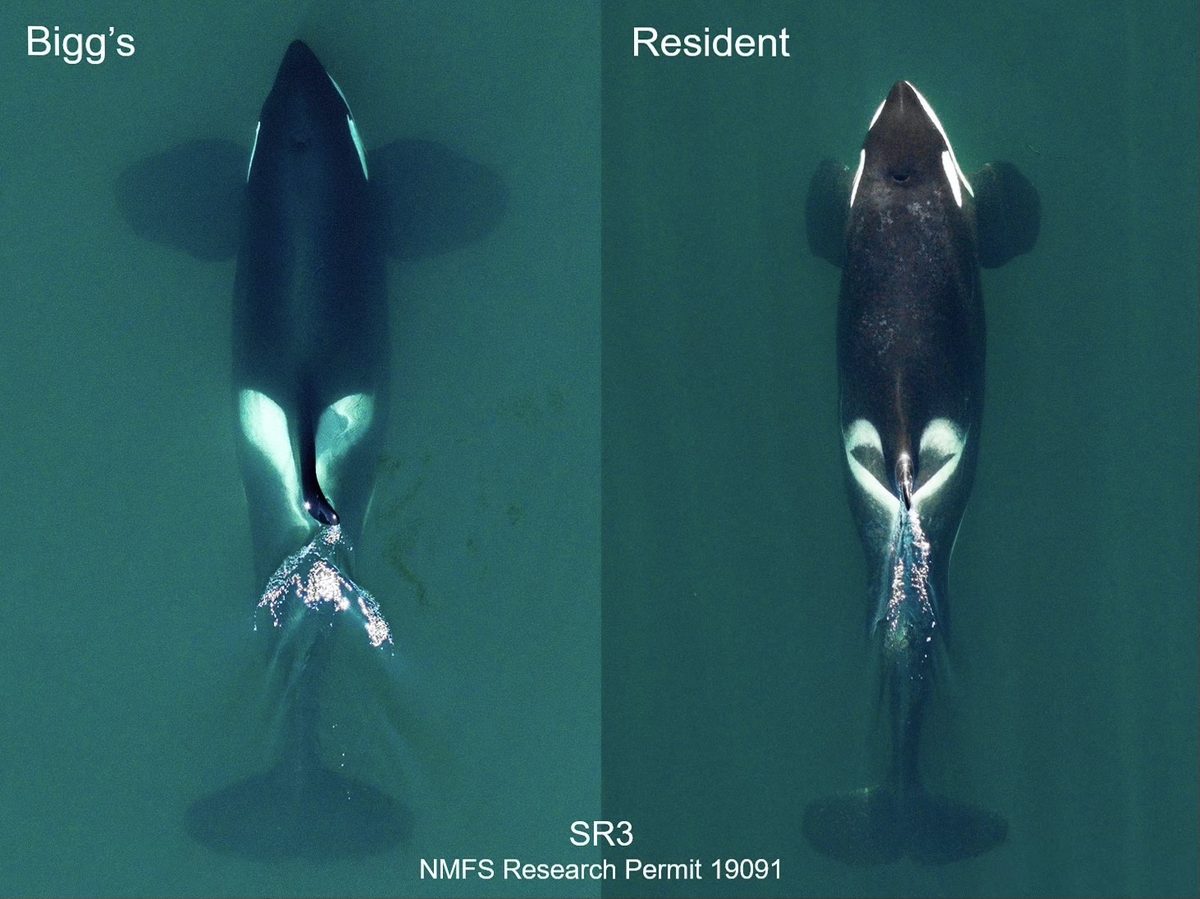
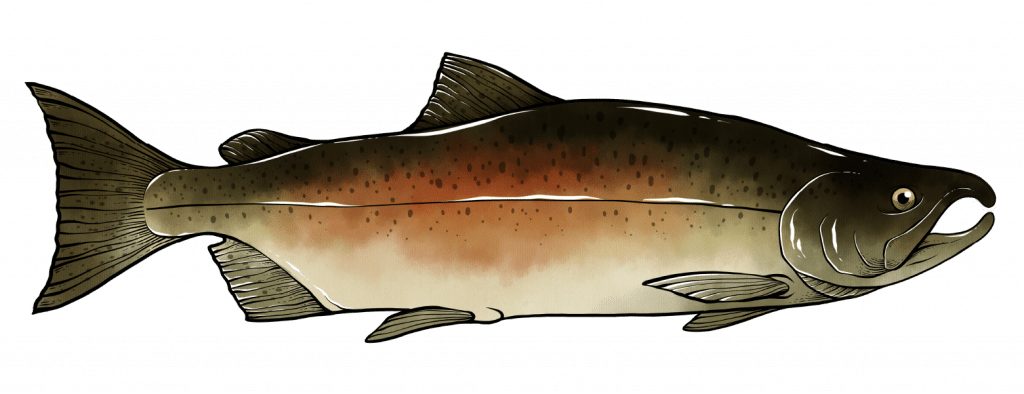
Washington Attorney General Nick Brown co-led the coalition with California, Maryland, and Massachusetts. The suits target three rule changes affecting species like Southern Resident killer whales and Pacific salmon, whose survival depends on intact habitat.

Why it matters

If the rules stand, developers and energy companies can degrade endangered species habitats without triggering penalties under a law protecting more than 1,600 species.

Questions about this story

Free account needed to ask — your question is kept and asked for you right after sign-up. Answers are public.

No questions yet — be the first to ask.

Key Indicators

21
States in the lawsuit coalition
Four co-lead states plus 17 others spanning both coasts.
1,600+
Species protected by the ESA
The law has safeguarded plants and animals since 1973.
99%
Listed species saved from extinction
Includes the bald eagle, California condor, and grizzly bear.
74
Southern Resident killer whales remaining
Down from 98 whales in 1995; listed as endangered in 2005.

Voices

Curated perspectives — historical figures and your fellow readers.

Ever wondered what historical figures would say about today's headlines?

Sign up to generate historical perspectives on this story.

People Involved

Organizations Involved

Timeline

December 1973 September 2026

6 events Latest: 3 days ago
Tap a bar to jump to that date
  1. Final rules published in Federal Register

    Regulatory

    FWS and NMFS publish rules rescinding 'harm' definition, ending automatic threatened species protections, and changing critical habitat process.

  2. Southern Resident killer whales listed as endangered

    Regulatory

    NMFS lists the Southern Resident orca population under the ESA.

  3. Endangered Species Act signed into law

    Legislation

    President Nixon signs the ESA, creating federal protections for species at risk of extinction.

Scenarios

1

Court blocks all three ESA rule changes

Likely Resolves by Mar 9, 2027

Discussed by: The coalition states and conservation groups tracking the litigation

A federal judge finds the agencies overstepped their statutory authority and vacates or enjoins the rules. The states' strongest argument comes from Sweet Home v. Babbitt (1995), where the Supreme Court allowed habitat modification to count as 'harm.' After Loper Bright ended Chevron deference, the court must decide the ESA's plain meaning itself rather than deferring to agency judgments.

2

ESA rules survive the legal challenge

Unlikely Resolves by Sep 9, 2027

Discussed by: Administration officials and industry groups that supported the rule changes

The court finds the agencies acted within their discretion, reasoning the ESA's text does not require automatic threatened species protections and that economic factors belong in critical habitat decisions. The states would likely appeal, extending the fight into 2027 and beyond.

3

Court splits the difference on ESA rules

Possible Resolves by Sep 9, 2027

Discussed by: Administrative law analysts following the ESA cases

The court upholds some rule changes while vacating others. The 'harm' definition rescission is the most likely target for reversal given Sweet Home precedent, while the critical habitat process may survive as a permissible agency procedure. Both sides claim partial victory and appeal.

Historical Context

3 moments from history that rhyme with this story — and how they unfolded.

June 1995

Sweet Home Chapter of Communities v. Babbitt (1995)

The Supreme Court ruled 6-3 that the Interior Department's definition of 'harm' under the Endangered Species Act could include habitat modification that injures or kills listed wildlife. Logging companies and landowners challenged the definition as an overreach.

Then

The habitat-modification definition survived, cementing habitat protection as a core ESA enforcement tool.

Now

For three decades, the definition required federal agencies to consider how development projects degrade listed species' habitats.

Why this matters now

The 2026 rule rescinds exactly this definition. The states argue Sweet Home is binding precedent the agencies cannot ignore.

August 2019

2019 ESA regulatory revisions

The 2019 Trump administration finalized rules narrowing the 'foreseeable future' standard for threatened listings and easing economic analysis requirements for critical habitat. Environmental groups sued.

Then

Courts later vacated portions of the rules, and the changes were partially reversed or revised.

Now

The 2019 changes foreshadowed the sharper 2026 rollback.

Why this matters now

The 2026 changes go further, rescinding the 'harm' definition outright and eliminating automatic protections for threatened species, making this challenge sharper than the 2019 round.

June 2024

Loper Bright Enterprises v. Raimondo (2024)

The Supreme Court overturned Chevron deference, which had required courts to defer to agencies' reasonable interpretations of ambiguous statutes. The decision shifted interpretive authority from agencies to judges.

Then

Agencies lost the benefit of the doubt in statutory interpretation disputes.

Now

Regulatory challenges now turn on plain-text readings of statutes rather than agency expertise.

Why this matters now

The states argue the ESA's plain text supports habitat protections. Without Chevron, the court must decide that meaning itself.

Sources

(6)