

Pull to refresh
Logo
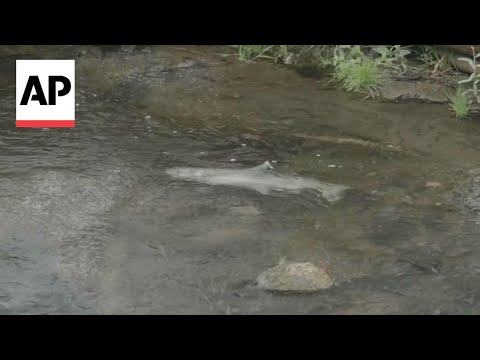
Chinook salmon reclaim most of former Klamath range after largest US dam removal

Chinook salmon reclaim most of former Klamath range after largest US dam removal

Built World

Four dams down, 640 km reopened; 21,052 salmon returned and the first hatch is confirmed in Upper Klamath Lake tributaries

2 days ago: Klamath Tribes Document First Chinook Hatch in Upper Klamath Lake Tributaries

Overview

Updated 2 days ago

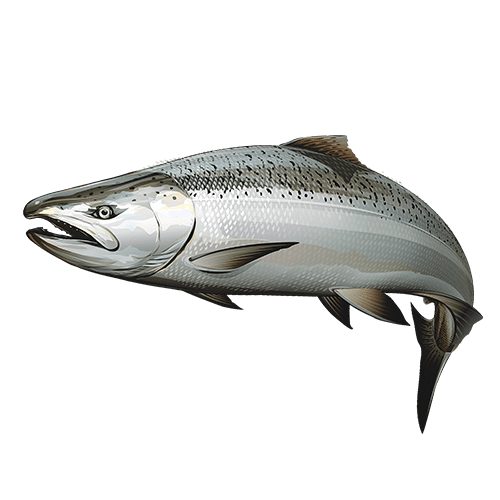
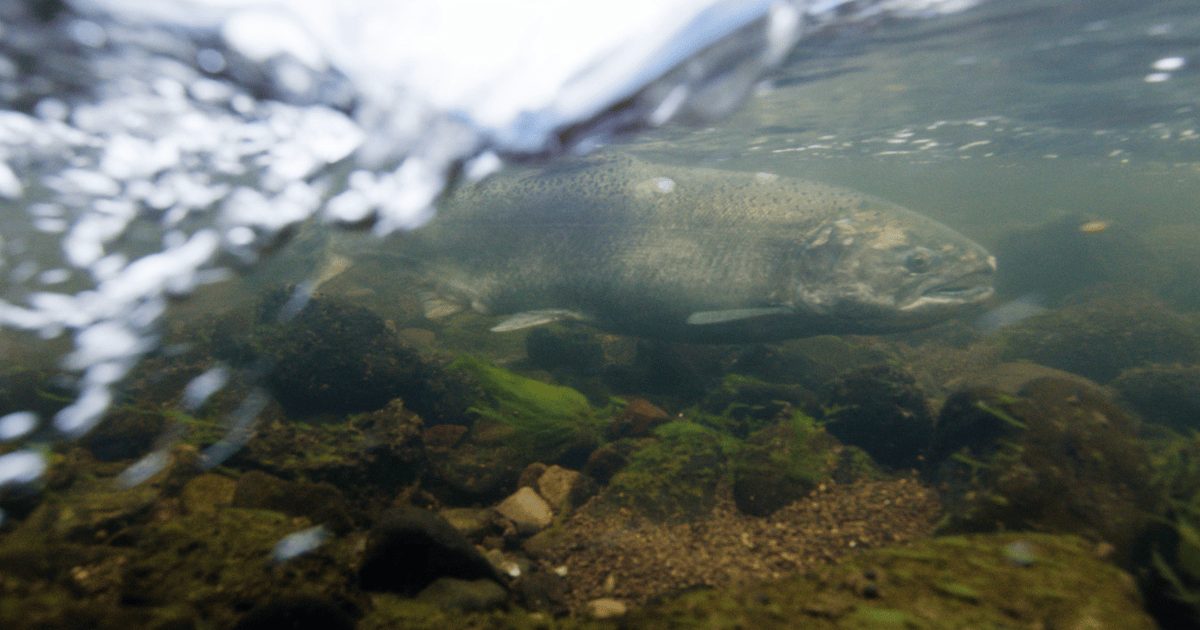
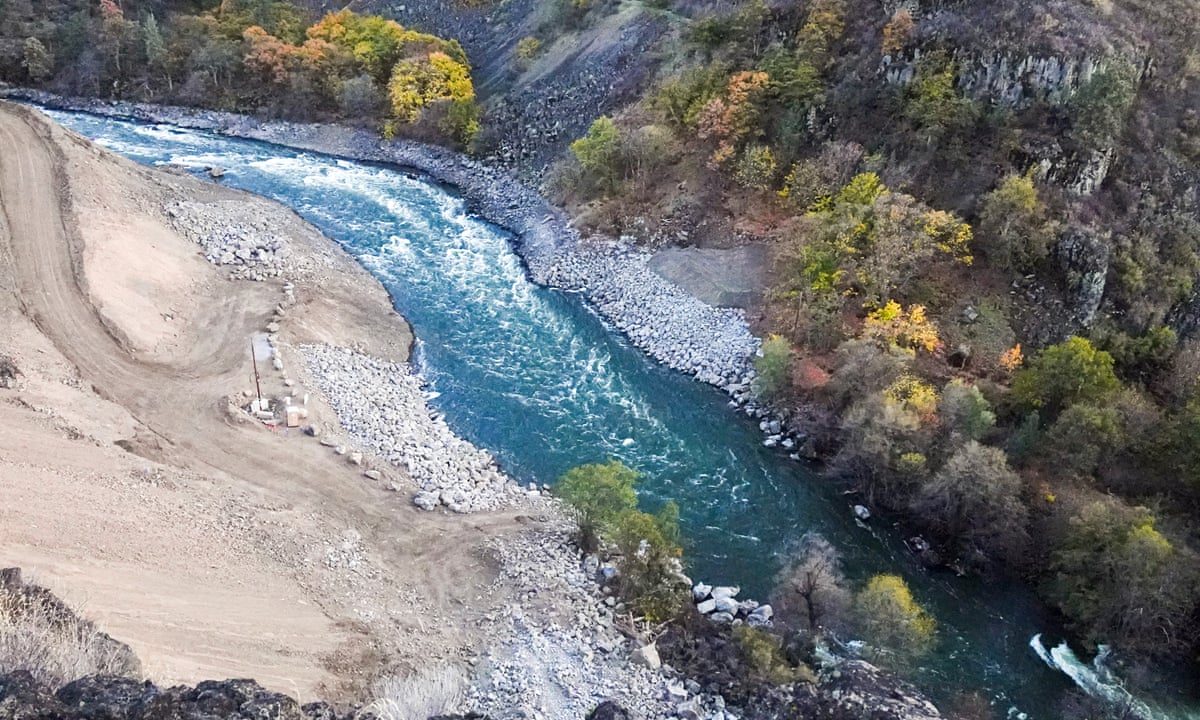
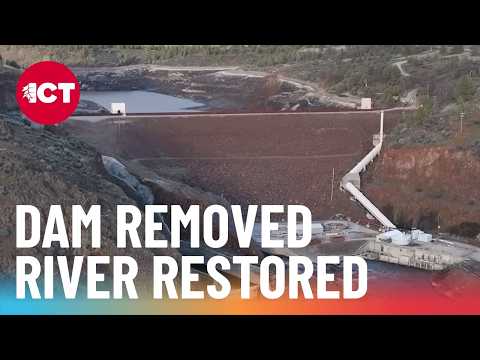
Four dams on the Klamath River came down in 2024. Within two salmon runs, more than 21,000 Chinook salmon swam upstream into 345 km of habitat blocked for over a century.

The Klamath Tribes have documented the first Chinook hatch in Upper Klamath Lake tributaries. Research published August 27 in Scientific Reports confirms the fish reclaimed 88% of their historical range. Two remaining dams, drought, and a fish parasite still cloud the long-term path.

Why it matters

Salmon reclaimed 88% of their historic Klamath range in two years, proving dam removal can restore a river at the scale skeptics doubted.

Questions about this story

Free account needed to ask — your question is kept and asked for you right after sign-up. Answers are public.

No questions yet — be the first to ask.

Key Indicators

21,052
Chinook salmon passing upstream, 2024-2025
7,742 in the first run, 13,310 in the second.
88%
Historic Klamath range recolonized
Salmon reached 345 km of reconnected habitat at up to 1,250 m elevation.
345 km
Reconnected habitat used by salmon
Fish traversed dam removal sites, hydraulic corridors, and engineered fishways.
640 km
Total habitat reconnected by dam removal
The largest dam removal project completed to date.
4
Dams removed
JC Boyle, Copco 1, Copco 2, and Iron Gate, built 1918-1962.
39,860
Adult fall-run Chinook spawning in the Klamath system, fall 2025
Escapement to natural spawning areas was 205% of the preseason forecast of 19,417, per the Pacific Fishery Management Council.
First
Chinook hatch documented in Upper Klamath Lake tributaries
Klamath Tribes confirmed natural reproduction above the former dam sites.

Voices

Curated perspectives — historical figures and your fellow readers.

Ever wondered what historical figures would say about today's headlines?

Sign up to generate historical perspectives on this story.

People Involved

Organizations Involved

Timeline

January 1918 September 2026

11 events Latest: 2 days ago Showing 8 of 11
Tap a bar to jump to that date
  1. Klamath Tribes Document First Chinook Hatch in Upper Klamath Lake Tributaries

    Latest Species Recovery

    The observation confirms natural reproduction above the former dams, following the first adult Chinook in the Williamson River in 2025.

  2. Report Tallies 69,852 Chinook Returning to Klamath and Trinity Systems

    Research

    The Pacific Fishery Management Council's Review of 2026 Ocean Salmon Fisheries counts 39,860 adult fall-run Chinook spawning in the basin in fall 2025, 205% of the preseason forecast.

  3. Human Progress highlights Klamath recovery

    Media

    The study's findings reach a wider audience, framing the return as a rare environmental success story.

  4. Salmon recolonization study published

    Research

    Scientific Reports publishes peer-reviewed research documenting 88% range recolonization.

  5. Second Chinook run nearly doubles

    Species Recovery

    13,310 Chinook pass upstream, bringing the two-season total past 21,000.

  6. Salmon Clear Last Klamath Dams

    Species Recovery

    Chinook pass the Keno and Link River dams and reach the Williamson and Sprague rivers for the first time in over a century.

  7. First spring-run salmon detected above former dams

    Species Recovery

    A tagged spring-run Chinook is detected moving back up the river toward Upper Klamath Lake.

  8. First Chinook run passes former dam sites

    Species Recovery

    7,742 Chinook salmon migrate upstream through the removal sites in the first fall season.

  9. Last Klamath dam breached

    Infrastructure

    Crews breach the final dam, Iron Gate, freeing the river for the first time since 1918.

  10. Klamath dam removal begins

    Infrastructure

    Crews start dismantling the four PacifiCorp dams, beginning with reservoir drawdowns.

  11. PacifiCorp builds four Klamath dams

    Infrastructure

    Hydroelectric dams block salmon from over 640 km of upstream habitat for more than a century.

Scenarios

1

Klamath salmon recovery broadens to spring-run

Possible Resolves by End of 2028

Discussed by: Damon Goodman of Cal Trout; Oregon Department of Fish and Wildlife

The tagged spring-run detected in June 2025 and a $6 million federal grant for spring-run incubation point toward a wider recovery. If fish passage at Keno and Link River dams improves and flows remain adequate, spring-run and coho salmon could re-establish in the upper basin within five years.

2

Remaining dams and drought stall Klamath recovery

Possible Resolves by End of 2028

Discussed by: George Pess of Conservation Angler; Mark Bransom of Klamath River Renewal Corp

Keno Dam's inadequate fish ladder blocked all salmon in 2024. Drought in 2026 lowered flows, triggering a Ceratonova shasta parasite outbreak that killed hundreds of juvenile Chinook. If water curtailments continue and passage stays poor, the recovery could plateau or reverse.

3

Managed interventions sustain Klamath recovery

Likely Resolves by End of 2028

Discussed by: NOAA Fisheries; Bureau of Reclamation; Yurok Tribe

Agencies are improving fish passage at Keno and Link River dams. A 2026 9th Circuit ruling lets the Bureau release water for salmon ahead of agricultural contracts under the Endangered Species Act. Passage fixes, reintroduction programs, and flow management could keep the recovery moving even under drought.

Historical Context

3 moments from history that rhyme with this story — and how they unfolded.

July 1999

Edwards Dam removal (1999)

The Federal Energy Regulatory Commission ordered removal of the Edwards Dam on Maine's Kennebec River after determining its power output was worth less than the fish passage costs it imposed. It was the first FERC-ordered removal for environmental reasons.

Then

Striped bass, alewives, and Atlantic salmon returned upstream within months. The river's ecosystem shifted visibly within a year.

Now

The ruling established that FERC can weigh ecological costs against power benefits, creating a legal path used later for the Klamath.

Why this matters now

Edwards set the regulatory precedent that led to the Klamath agreement. The Klamath shows what that precedent can do at industrial scale.

September 2011 - August 2014

Elwha River dam removal (2011-2014)

Two dams on the Elwha River in Olympic National Park, Washington, were dismantled at a cost of $325 million. The Elwha and Glines Canyon dams had blocked salmon from over 112 km of habitat for a century.

Then

Salmon returned within months of the first breach. By 2016, over 4,000 Chinook were counted in the river, far exceeding pre-removal numbers.

Now

The Elwha became the proof point that large dam removal leads to rapid ecological recovery, influencing the Klamath decision.

Why this matters now

The Elwha showed salmon recolonize quickly when dams fall. The Klamath tests whether that holds at four times the scale.

October 2011

Condit Dam removal (2011)

A 38-meter dam on Washington's White Salmon River was breached in a single demolition blast. It was the tallest dam ever removed in the US at the time.

Then

Chinook and steelhead returned within weeks. The river re-established its natural channel within months.

Now

Condit demonstrated that natural recolonization can be immediate when a barrier is fully removed, without fish passage structures.

Why this matters now

Condit showed the speed of natural recovery. The Klamath's 640 km of reconnected habitat is 20 times larger, making the speed of this recovery more striking.

Sources

(11)