



Pull to refresh
Logo
Melania Trump brokers localized ceasefire in Ukrainian city of Oleshky

Melania Trump brokers localized ceasefire in Ukrainian city of Oleshky

Force in Play

Six-day truce ends November 1 after aid convoy reaches Oleshky and hundreds evacuate; fighting returns to Kherson as Abu Dhabi talks loom

Overview

Updated Nov 3

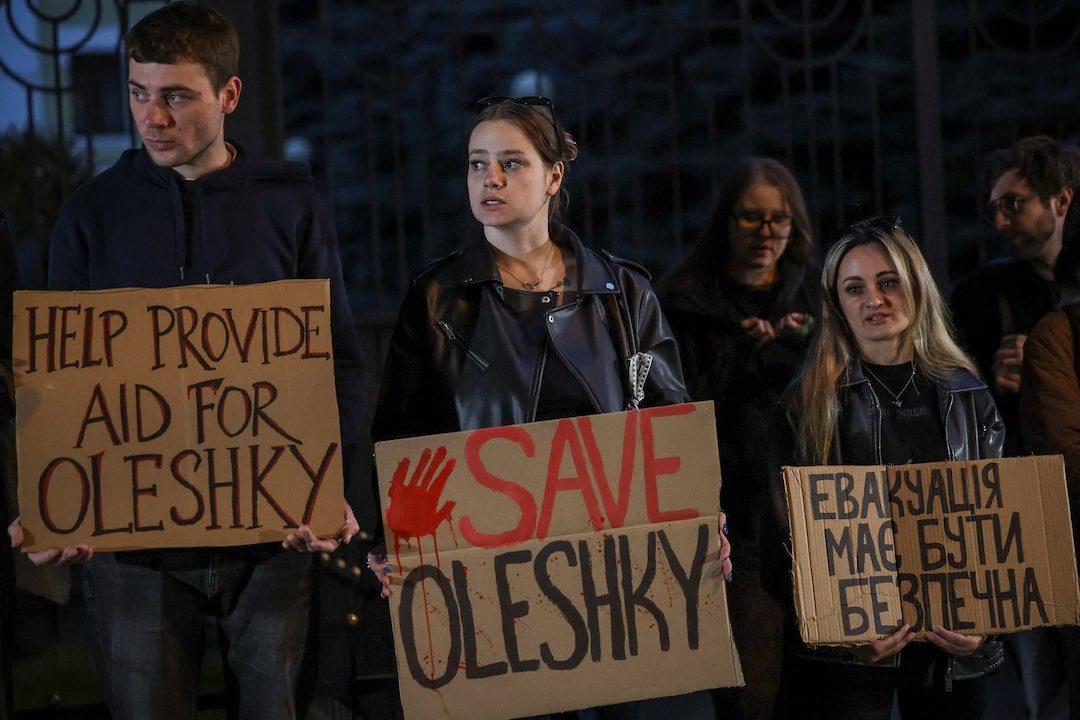
A six-day ceasefire that Melania Trump brokered in Ukraine's southern Kherson region ended on November 1. Russia and Ukraine reported no violations in the Oleshky area during the pause, though both continued strikes elsewhere and BBC News reported fighting returned to the Kherson region after the truce.

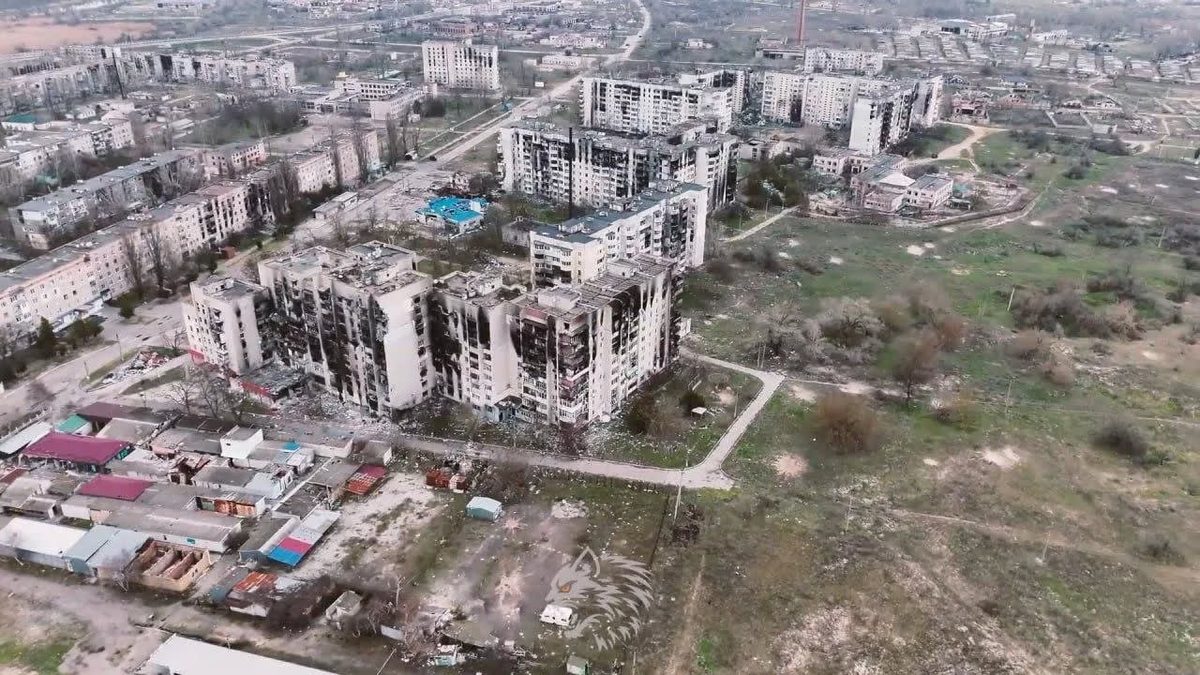
An aid convoy reached Oleshky on October 30, and hundreds of residents were evacuated, some through the Russian city of Anapa toward Ukrainian-held territory. The White House had estimated 1,700 to 2,000 people remained in the city, most of them elderly. US, Russian and Ukrainian negotiators still plan to meet in Abu Dhabi in November.

Why it matters

The truce moved hundreds of civilians but ended without a broader deal, leaving November's Abu Dhabi talks as the next test.

Questions about this story

Free account needed to ask — your question is kept and asked for you right after sign-up. Answers are public.

No questions yet — be the first to ask.

Key Indicators

~92%
Estimated population decline since 2022
Oleshky had about 24,000 residents before the invasion; the White House now estimates fewer than 2,000 remain.
34
Children previously reunited via Melania Trump's channel
The First Lady's earlier humanitarian work established the communication channel used to broker this ceasefire.
~1,700-2,000
Estimate of remaining residents
The White House estimate for the city, including about 50 children.
~6,000
Ukraine's estimate of remaining residents
Kyiv's count for the city and nearby area, as reported when the deal was announced; the White House counts 1,700 to 2,000 in the city itself.
6
Days the localized ceasefire held
The truce ran from October 27 to November 1 with no reported violations in the Kherson region.
Hundreds
Residents evacuated
Residents left Oleshky during the truce, some through the Russian city of Anapa toward Ukrainian-held territory.

Voices

Curated perspectives — historical figures and your fellow readers.

Sign up to generate historical perspectives on this story.

People Involved

Organizations Involved

Timeline

February 2022 November 2026

11 events Latest: November 1st, 2026 · 1 week ago Showing 8 of 11
Tap a bar to jump to that date
  1. Localized ceasefire ends in Kherson region

    Latest Ceasefire

    The six-day truce expired with no reported violations in the Kherson region, Al Jazeera reported. Moscow and Kyiv continued strikes elsewhere.

  2. Abu Dhabi talks planned

    Diplomacy

    US, Russian, and Ukrainian negotiators plan to meet in Abu Dhabi on ending the war.

  3. Fighting returns to Kherson region after truce

    Conflict

    BBC News reported that fighting resumed in the Kherson region after the six-day ceasefire, which it said had done little to change the war's wider course.

  4. Aid convoy reaches Oleshky

    Humanitarian

    A 25-bus convoy with ambulances and supplies entered the city, and evacuations began on the fourth day of the truce.

  5. Firing stops in Oleshky

    Ceasefire

    Russia and Ukraine stop firing in Oleshky at 01:00 GMT, ahead of the humanitarian mission.

  6. Ceasefire extended across Kherson region

    Ceasefire

    BBC News reported that the truce first planned for Oleshky's stranded residents now covers Ukraine's Kherson region. Russia and Ukraine say no breaches have been reported.

  7. White House announces Oleshky ceasefire

    Diplomacy

    White House says Melania Trump brokered a localized ceasefire between Russia and Ukraine in Oleshky.

  8. Russian and Ukrainian militaries confirm the truce

    Ceasefire

    Russia's chief of the General Staff, Valery Gerasimov, said forces would stop firing on the Kherson axis at 4 a.m. Moscow time on October 27. Ukraine's General Staff gave 3 a.m. Kyiv time the same day; the two are the same moment because Ukraine moves its clocks back and Russia does not.

  9. Trump announces energy ceasefire

    Diplomacy

    Trump announces a Russia-Ukraine energy ceasefire that Ukraine soon accuses Russia of violating.

  10. Kakhovka Dam destroyed

    Disaster

    Destruction of the Kakhovka Dam flooded much of Oleshky.

  11. Russia seizes Oleshky

    Invasion

    Russia captures Oleshky in the opening days of its full-scale invasion of Ukraine.

Scenarios

1

Oleshky humanitarian mission completes with evacuations

Possible Resolves by Nov 30, 2026

Discussed by: White House officials; AP News

The ceasefire holds from October 27 through the mission window. Demining teams clear roads, food and medicine reach residents, and civilians choosing to leave are transported to their preferred destination, with an American media team documenting the process. The White House and Ukraine both name this as the goal.

2

Ceasefire collapses before evacuation finishes

Possible Resolves by Nov 30, 2026

Discussed by: Politico, citing the earlier energy ceasefire that Ukraine said Russia violated

Renewed shelling breaks the firing stop before demining, aid delivery, and evacuations finish. This would echo the energy ceasefire Trump announced earlier in October, which Ukraine accused Russia of violating almost immediately. Previous localized agreements in this war have also crumbled quickly.

3

Oleshky truce broadens into wider talks

Unlikely Resolves by Jan 31, 2027

Discussed by: DW; Zelenskyy, who expects Abu Dhabi talks in the first half of November

If the Oleshky deal holds, it becomes a confidence-building step ahead of Abu Dhabi. US, Ukrainian, and Russian negotiators plan to meet there in the first half of November to discuss ending the war, with Oleshky as a possible template for further localized ceasefires. Zelenskyy said the talks should happen as early as possible.

Historical Context

3 moments from history that rhyme with this story — and how they unfolded.

July 2022 - July 2023

Black Sea Grain Initiative (2022-2023)

Turkey and the United Nations brokered a deal allowing Ukraine to export grain from Black Sea ports despite Russia's naval blockade. It moved millions of tons of grain over about a year.

Then

Grain exports resumed and the deal was extended multiple times, easing global food prices.

Now

Russia withdrew in July 2023 citing unmet conditions, and exports halted. It showed functional humanitarian deals are possible in this war but fragile.

Why this matters now

Like the grain deal, the Oleshky truce is a narrow humanitarian carve-out in a broader war, brokered by a third party with both sides' cooperation. Its fragility is the central test.

December 2016

Aleppo evacuation corridors (2016)

During the Syrian civil war, Russia and Syria announced evacuation agreements for Aleppo's besieged eastern districts. Some corridors operated under international monitoring, evacuating tens of thousands of civilians and fighters.

Then

About 30,000 people were evacuated and the city fell to government forces within weeks.

Now

The evacuations showed that corridor deals can move civilians at scale but often proceed under fire and under intense international scrutiny.

Why this matters now

Oleshky's evacuation mission relies on the same mechanics: monitored corridors, demining, and both sides holding fire while civilians move. Aleppo shows monitoring is what separates success from failure.

September 2014 - February 2015

Minsk agreements (2014-2015)

Following Russia's annexation of Crimea and the Donbas fighting, the Minsk I and II agreements established ceasefires and a framework for resolving the conflict.

Then

Ceasefires repeatedly broke down amid violations over several years.

Now

The framework collapsed when Russia launched the full-scale invasion in 2022.

Why this matters now

The failure of comprehensive ceasefire frameworks in this conflict is why mediators now pursue narrow, localized deals like Oleshky that can be monitored and verified.

Sources

(27)