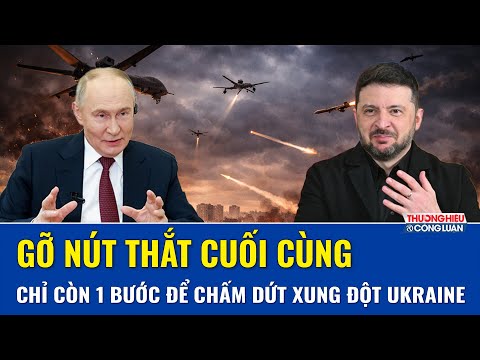
After nearly four years of war, Ukraine's allies are rushing to finalize security commitments amid persistent Russian military pressure and a critical air defense gap. In January 2026, the Coalition of the Willing's Paris summit produced a 35-country declaration backing US-led ceasefire monitoring and British and French pledges to station 15,000 troops in military hubs post-ceasefire.
Trump and Zelenskyy finalized US security terms at Davos, with envoy Witkoff noting territory as the sole remaining issue. At the February Munich Security Conference, Secretary Rubio said issues have 'narrowed' though challenges persist. Geneva talks are set for February 17-18 with Witkoff and Kushner.
On February 23, Zelenskyy warned that 80% of Ukraine lacks protection against Russian ballistic missiles; Canada announced a C$2 billion military aid package on February 24 and expanded sanctions against Russia's shadow fleet. The UN voted 107-12-51 on February 24 to support lasting Ukrainian peace and uphold territorial integrity, though the US abstained after failing to remove those references. Trilateral talks advanced with 314 POWs exchanged and military dialogue restored, but Donetsk control remains deadlocked as Russia demands full control; Witkoff will meet Zelenskyy's security chief Umerov on February 26.
Questions about this story
Free account needed to ask — your question is kept and asked for you right after sign-up. Answers are public.
No questions yet — be the first to ask.
Key Indicators
80%
Ukrainian territory lacking air defense
Zelenskyy warns approximately 80% of Ukraine lacks protection against Russian ballistic missiles as of February 23, 2026
107-12-51
UN General Assembly vote on Ukraine peace
February 24 resolution supporting lasting peace passed with 107 in favor, 12 against, 51 abstentions; US abstained after failing to remove territorial integrity language
C$2B
Canada military aid package
Canada announced C$2 billion ($1.4 billion USD) military assistance for Ukraine on February 24, 2026
1
Remaining issue in peace talks
US envoy Witkoff says territorial control of Donbas is the last sticking point after security guarantees finalized
15,000
UK-France troops pledged
Combined British and French forces committed to deploy to military hubs across Ukraine post-ceasefire
35
Countries in Coalition of the Willing
Coalition led by UK and France signed Paris Declaration committing to robust security guarantees
20%
Ukrainian territory under Russian control
Russia occupies roughly 45,625 square miles, including Crimea and most of Donbas
76%
Ukrainians reject territorial concessions
December 2025 poll shows 76% oppose recognizing occupied territories as Russian in exchange for peace
~2M
Combined casualties projected by spring 2026
CSIS analysis warns combined Russian and Ukrainian casualties could reach 2 million, with Russia suffering 1.2M and Ukraine 500,000-600,000
Curated perspectives — historical figures and your fellow readers.
Jane Addams
(1860-1935) ·Progressive Era · social reform
Fictional AI pastiche — not real quote.
"The architects of peace gather in grand halls—Paris, Davos, Abu Dhabi—while the actual inhabitants of the disputed territories remain conspicuously absent from these deliberations about their own fate. One might observe that 15,000 troops are being pledged to secure a peace, yet I wonder how many social workers, teachers, and rebuilders are included in these guarantees? True security cannot be imposed by armed sentries alone; it must grow from the capacity of ordinary people to resume their daily bread-winning, their neighborhood associations, their small democracies—none of which are negotiable in percentages of the Donbas."
100% found this insightful
Ever wondered what historical figures would say about today's headlines?
Sign up to generate historical perspectives on this story.
45 events
Latest: February 26th, 2026 · 7 months ago
Showing 8 of 45
JK to step
Tap a bar to jump to that date
Jump to
February 2026
Witkoff Scheduled to Meet Zelenskyy's Security Chief Umerov
LatestDiplomatic
US Special Envoy Steve Witkoff scheduled to meet with Ukraine's security chief Rustem Umerov on February 26, continuing diplomatic engagement on peace negotiations despite primary focus on Iran talks.
UN General Assembly Adopts Ukraine Peace Resolution as US Abstains
Diplomatic
The UN General Assembly voted 107-12-51 on a resolution titled 'Support for lasting peace in Ukraine' on the fourth anniversary of Russia's full-scale invasion. The resolution reaffirms Ukraine's sovereignty and territorial integrity and calls for immediate ceasefire, POW exchanges, and return of forcibly transferred civilians. The US abstained after failing to remove references to Ukraine's territorial integrity; China, India, and UAE also abstained.
Canada Announces C$2 Billion Military Aid Package for Ukraine
Military
Canada announced a C$2 billion ($1.4 billion USD) military aid package for Ukraine and expanded sanctions against Russia, including measures targeting Moscow's 'shadow fleet' and implementing a lower oil price cap.
Zelenskyy Warns 80% of Ukraine Lacks Air Defense Against Ballistic Missiles
Military
President Zelenskyy stated that approximately 80% of Ukraine lacks protection against Russian ballistic missiles, renewing urgent calls for additional air defense systems including Patriot air defense systems.
Zelenskyy Addresses Munich, Meets Rubio Amid Air Defense Push
Diplomatic
Zelenskyy speaks at Munich Security Conference with Rutte and Metsola, emphasizing US-backed guarantees; expected talks with Rubio occur as Europeans pledge anti-aircraft aid against Russian drones; Putin warns he 'cannot let go of war' per Zelenskyy.
Rubio at Munich: Issues Narrowed, Geneva Talks Confirmed
Diplomatic
US Secretary Rubio tells Munich conference that Russia-Ukraine issues have 'narrowed' with progress made, but hardest questions remain; confirms Witkoff/Kushner to lead trilateral talks in Geneva February 17-18; skips informal Ukraine meeting attended by European leaders.
Russia Launches Massive Energy Infrastructure Strike
Military
Russia conducted another large-scale attack on Ukrainian energy infrastructure overnight February 6-7, as US urges faster peace talks aiming for March 2026 deal and May referendum while Russia demands capitulation and refuses extended ceasefire.
Ukraine-Russia Agree to Exchange 314 POWs After Abu Dhabi Talks
Diplomatic
Second round of trilateral talks concludes with agreement to swap 157 prisoners each (314 total), first such exchange in five months; US envoy Witkoff calls talks 'detailed and productive' while noting significant work remains on territory and security guarantees. Ukrainian negotiator Umerov describes discussions as 'substantive'; Russian envoy Dmitriev reports 'progress and positive movement.'
Zelenskyy Announces 55,000 Ukrainian Troops Killed in Combat
Military
Ukrainian president reveals updated casualty figures showing 55,000 Ukrainian soldiers killed since Russia's full-scale invasion began, up from 46,000 reported in early 2025. Zelenskyy warns that Ukraine needs genuine progress toward peace, not terms that allow Russia to exploit advantages and continue strikes.
US and Russia Agree to Reestablish Military-to-Military Dialogue
Diplomatic
During Abu Dhabi talks, US Gen. Alexus Grynkewich and senior Russian military officials agreed to restore high-level military communication suspended since 2021. The restored channel will provide consistent military-to-military contact to prevent accidental escalation and support peace negotiations.
Zelenskyy Announces Next Round of Talks Likely in United States
Diplomatic
Ukrainian president states that further meetings are planned for the near future, likely in America, following two days of productive trilateral talks in Abu Dhabi. Zelenskyy expects his negotiation team to return to Kyiv for full debriefing on discussions.
Second Round of Abu Dhabi Talks Rescheduled to February 4-5
Diplomatic
Kremlin confirms next trilateral talks moved from February 1 to February 4-5 in Abu Dhabi to adjust schedules of all participants; Russia reportedly sending more senior negotiators than first round.
Second Round of Trilateral Talks Scheduled in Abu Dhabi
Diplomatic
US officials confirm next round of three-way negotiations will begin February 1 in UAE, continuing discussions on territorial parameters and ceasefire conditions.
January 2026
US Envoy Witkoff Holds Separate Talks with Russian Envoy Dmitriev in Florida
Diplomatic
US Special Envoy Steve Witkoff meets Russian envoy Kirill Dmitriev in Florida without Ukrainian representatives present; calls talks "productive and constructive." Treasury Secretary Bessent and Jared Kushner also attend. Meeting occurs one day before scheduled Abu Dhabi trilateral talks.
Trump Announces Putin Agreed to Pause Kyiv Attacks Through February 1
Diplomatic
President Trump says Putin agreed to his personal request to halt strikes on Kyiv for one week through February 1 due to extreme cold and to "create favorable conditions for negotiations." Kremlin confirms Trump's request but terms remain unclear; ongoing attacks reported despite announced pause.
Zelenskyy Invites Putin to Kyiv for Direct Talks
Diplomatic
Ukrainian president invites Putin to Kyiv for negotiations "if he dares," saying he's ready for any format but will not go to Moscow or Belarus. Clarifies there is "no official agreement on a ceasefire" and no direct dialogue between Ukraine and Russia on the pause, calling Trump's initiative "an opportunity rather than an agreement."
Energy Infrastructure Pause Announced Amid Confusion
Military
Zelenskyy says both Ukraine and Russia began weeklong pause in attacks on energy infrastructure amid plummeting winter temperatures. Kremlin claims Moscow only agreed to pause until Sunday; disagreement persists on duration and scope of energy ceasefire.
Reciprocal Energy Ceasefire Takes Effect Through February 3
Military
Despite confusion over terms of Trump's announced Kyiv pause, Zelenskyy confirms reciprocal energy infrastructure ceasefire in effect through February 3, saying "If Russia does not strike us, we will take corresponding steps." Ukraine refrains from hitting Russian energy targets; Russia fires ballistic missile and 100+ drones but Kremlin confirms compliance with energy pause.
Rubio Confirms Donetsk Territorial Issue Is Last Major Obstacle
Statement
US Secretary of State tells Senate Foreign Relations Committee that "the one remaining item" in peace negotiations is "the territorial claim on Donetsk in particular," calling it "a very difficult" gap to bridge. Confirms security guarantees agreed "from our side" but notes they would only apply after conflict ends.
Ukraine Says Russia Sending More Senior Negotiators to Next Round
Diplomatic
Ukrainian foreign minister describes Russian officials involved in talks resuming February 1 in UAE as "much more serious than before," signaling increased Kremlin engagement in peace process.
CSIS Report Warns Combined Casualties Could Reach 2 Million
Military
Center for Strategic and International Studies analysis estimates Russia has suffered 1.2 million casualties (325,000 deaths) and Ukraine 500,000-600,000 casualties (140,000 deaths), with combined total potentially reaching 2 million by spring 2026—more losses than any major power in any war since World War II.
Reports Emerge: US Ties Security Guarantees to Ukraine Ceding Donbas
Diplomatic
Financial Times reports Trump administration has indicated to Ukraine that US security guarantees are contingent on Kyiv first agreeing peace deal involving ceding Donbas region to Russia, according to eight people familiar with talks. Ukraine wants guarantees confirmed before giving up land; Washington signals commitments depend on accommodation with Russia. White House deputy press secretary calls reports "totally false."
Kremlin Calls Talks 'Constructive' While Reiterating Territorial Demands
Statement
Kremlin spokesman Peskov describes Abu Dhabi talks as constructive but warns against expecting quick results, stating territorial issue is "of fundamental importance" for Russia. Russia reiterates demand that Ukraine withdraw from all of Donbas.
Zelenskyy Announces US Security Agreement '100% Ready' for Signing
Diplomatic
Ukrainian president announces in Vilnius that US security guarantees document is complete and awaiting formal signing ceremony, after which it will go to US Congress and Ukrainian parliament for ratification.
First US-Ukraine-Russia Trilateral Talks Begin in Abu Dhabi
Diplomatic
First direct three-way negotiations since February 2022 invasion commence, with Ukrainian Defense Minister Umerov and intelligence chief Budanov meeting Russian General Staff Chief Kostyukov and US envoys Witkoff and Kushner. Talks scheduled for two days focusing on territorial parameters for ending conflict.
Trump and Zelenskyy meet at World Economic Forum in Davos; Zelenskyy announces security guarantee terms finalized and deal nearly ready on economic recovery. US envoy Witkoff declares negotiations 'down to one issue'—territorial control of Donbas.
Paris Declaration Signed with Concrete Security Commitments
Diplomatic
Coalition of the Willing summit in Paris produces formal Declaration on Robust Security Guarantees including US-led ceasefire monitoring mechanism, continued military assistance, and multinational force deployment. UK and France sign separate declaration with Zelenskyy committing to deploy up to 15,000 troops combined and establish military hubs across Ukraine.
December 2025
Macron Announces Paris Summit for Early January
Announcement
Coalition of the Willing to meet in Paris to finalize concrete security contributions.
Russia Claims Ukrainian Attack on Putin's Residence
Statement
Russia alleges Ukraine attacked Putin's residence in Novgorod with 91 drones hours after Mar-a-Lago talks; Zelenskyy rejects claim as "complete fabrication" to derail peace negotiations.
Poll Shows 76% of Ukrainians Reject Territorial Concessions
Domestic
Survey published by Democratic Initiatives Foundation shows overwhelming Ukrainian opposition to recognizing occupied territories as Russian, with regional variations from 2% in west to 22% in center.
Russia Claims 6,460 Square Kilometers Seized in 2025
Military
Chief of General Staff Gerasimov reports Russian forces captured 6,460 sq km and 334 settlements in 2025; ISW disputes claim, estimating ~4,700 sq km actually seized.
Trump pushes through a February deadline deal trading Ukrainian territorial concessions for 15-30 year security guarantees backed by congressional approval. Europe deploys 10,000+ peacekeeping troops to a demilitarized zone along frozen frontlines. Russia accepts because it locks in territorial gains while avoiding NATO expansion. Ukraine accepts because Article 5-like guarantees from US, UK, France, and Germany feel stronger than endless war with retreating defenses. The framework survives Trump leaving office because troops on the ground and legislative commitments create institutional stickiness. Key trigger: Paris summit produces binding troop commitments from Coalition members, convincing Kyiv the guarantees won't evaporate.
2
Putin Rejects Deal, Grinds Forward for Maximal Gains
Russia keeps stalling negotiations while forces advance 150+ square miles monthly, betting Trump's patience runs out and European unity fractures. Putin calculates that Ukrainian defenses—already retreating faster than any point in the war—will collapse further by spring 2026, giving Russia better terms than any current deal. He publicly engages in talks to avoid blame for failure while privately ordering generals to take remaining Donbas by force. Trump eventually walks away as promised, Europeans can't fill the gap, and Ukraine is forced to accept worse terms in late 2026. Key trigger: Russia continues advancing in January-February despite negotiations, signaling military strategy over diplomatic resolution.
3
Deal Collapses Like Budapest—Russia Violates Within Five Years
A ceasefire is signed with security guarantees that look impressive on paper. European peacekeepers deploy to the demilitarized zone. Ukraine begins reconstruction with Western investment. But when Russia tests the boundaries in 2028 or 2030—a border incursion, a drone strike, supporting separatists—the US response is tepid, European coalition members disagree on activation, and the guarantees prove hollow. Ukraine, having demilitarized per agreement terms, faces renewed invasion without the military capacity it sacrificed for peace. The deal becomes a cautionary tale like Budapest: promises from great powers aren't worth the paper when territorial integrity doesn't align with their interests. Key trigger: Guarantees aren't enshrined in binding treaties requiring parliamentary ratification, leaving them vulnerable to political changes.
4
Ukrainian Referendum Rejects Deal, War Continues
Unlikely
Discussed by: Al Jazeera, Kyiv Post analysts noting Zelenskyy's referendum requirement
Zelenskyy insists any territorial concessions require a national referendum after a 60-day ceasefire, per his December statements. The referendum is held in spring 2026, and Ukrainian voters—watching Russian forces occupy 20% of their country—reject territorial concessions by wide margins. The peace process collapses. Trump declares Ukraine ungrateful and reduces support. European allies increase aid but can't replace US capacity. The war grinds into 2027 with no clear path to resolution. Ukraine faces a choice between fighting with diminishing resources or accepting worse terms without democratic legitimacy. Key trigger: Russia refuses the 60-day ceasefire needed for referendum, or holds one that produces a "No" vote.
Historical Context
3 moments from history that rhyme with this story — and how they unfolded.
1 of 3
1953-present
Korean Armistice and DMZ (1953-present)
After three years of Korean War, armistice agreement established a demilitarized zone patrolled by both sides and neutral nations. No peace treaty was ever signed—technically still at war. The DMZ has been monitored by UN forces, including Swiss and Swedish peacekeepers, for 72 years. Massive US troop presence in South Korea (28,500 currently) provided credible deterrence. Multiple violations and incidents occurred, but full-scale war never resumed.
Then
Ended active hostilities and prisoner exchanges; created 2.5-mile-wide buffer zone.
Now
Longest-standing armistice in modern history; frozen conflict prevented from reigniting by permanent military presence and US security guarantee.
Why this matters now
Shows demilitarized zones can work with credible enforcement—but required permanent US troop deployment and acceptance of indefinite division, not eventual reunification.
2 of 3
1994-2014
Budapest Memorandum (1994)
Ukraine surrendered the world's third-largest nuclear arsenal in exchange for security assurances from the US, UK, and Russia guaranteeing its sovereignty and territorial integrity. The memorandum was carefully drafted to avoid implying military commitments—"assurances" not "guarantees." In 2014, Russia annexed Crimea. In 2022, Russia launched a full-scale invasion. The US and UK provided sanctions and weapons, but no military intervention. Ukraine tried three times to convene consultations under the memorandum; all failed.
Then
Successful nuclear non-proliferation; Ukraine became non-nuclear state under NPT.
Now
Complete failure to protect Ukraine's territorial integrity; memorandum became symbol of worthless security promises.
Why this matters now
The single biggest obstacle to Ukraine trusting new security guarantees—why Zelenskyy demands binding Article 5-like commitments, not political assurances.
3 of 3
1995-2004
Dayton Agreement and IFOR Peacekeeping (1995)
After 3.5 years of Bosnian War, US-brokered Dayton Agreement ended fighting and established a complex power-sharing government. NATO deployed 60,000 peacekeeping troops (IFOR) with robust rules of engagement to enforce military aspects of the agreement. The Implementation Force had clear command structure, overwhelming military capability versus local forces, and political unity among NATO members. Peacekeepers remained for nearly a decade, preventing conflict resumption.
Then
Immediate end to active combat; peacekeepers successfully separated forces and enforced ceasefire.
Now
Fragile peace held for 30 years despite ethnic tensions; Bosnia remains dysfunctional but not at war.
Why this matters now
The model Coalition of the Willing references—but Ukraine faces a nuclear-armed adversary, not local militias, making enforcement exponentially harder.