
Pull to refresh
Logo
Daily Brief
Following
Why Ranks Sign Up
Federal prosecution of White House Correspondents' Dinner shooter

Federal prosecution of White House Correspondents' Dinner shooter

Force in Play

California man charged with attempting to assassinate President Trump at the Washington Hilton

5 days ago: Preliminary hearing scheduled

Overview

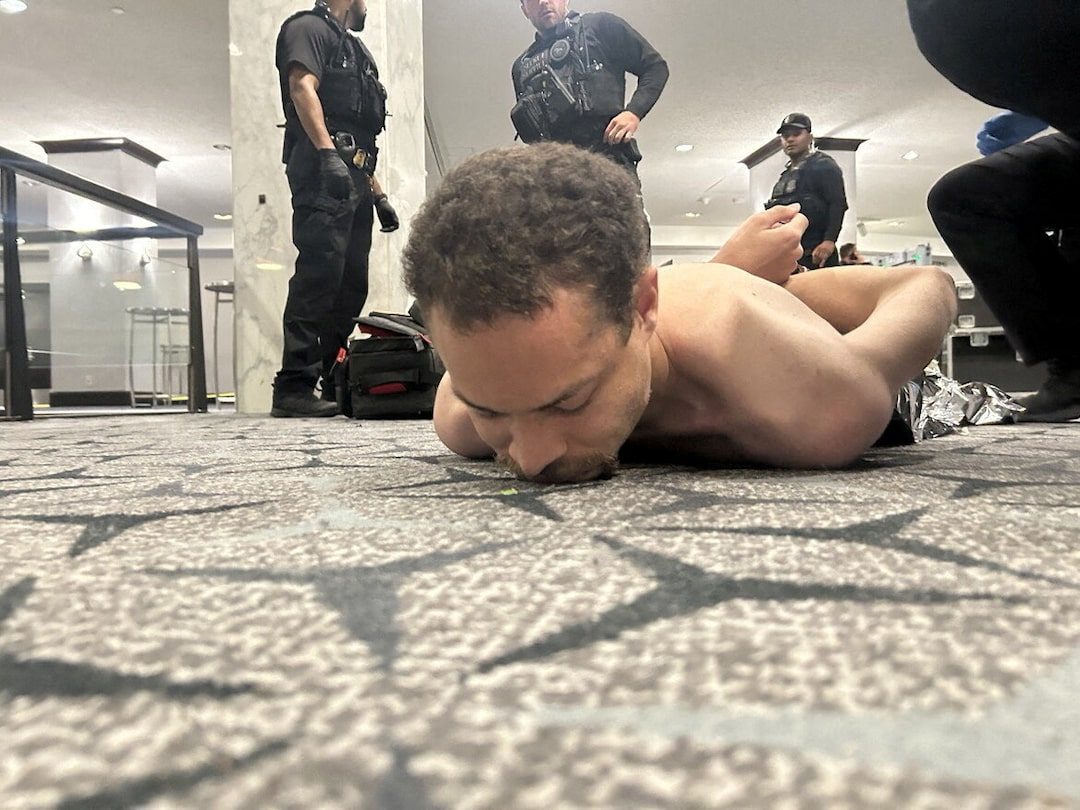
A Secret Service officer's ballistic vest stopped a shotgun round at the Washington Hilton on the evening of April 25. Two days later, federal prosecutors charged the shooter, 31-year-old Cole Tomas Allen of Torrance, California, with attempting to assassinate President Trump. Allen had traveled three days by Amtrak from Los Angeles, checked into the hotel as a paying guest, and walked a long gun through a magnetometer before opening fire near the entrance to the ballroom where Trump was expected to speak. Investigators have since linked Allen to thousands of archived social media posts — on X under the handle 'CForce3000' and on Bluesky — documenting a shift from video-game commentary to political rage: comparisons of Trump to Adolf Hitler, encouragement to buy guns, and reposts claiming the 2024 Butler rally shooting was staged.

A significant security gap has emerged: the dinner was not designated a National Special Security Event, the formal classification that would have placed the Secret Service in charge of all security across the full hotel rather than just the ballroom perimeter. Vice President Vance, Secretary of State Rubio, FBI Director Patel, and other Cabinet members were also present. Congress has moved quickly: Sen. Josh Hawley called for oversight hearings and Senate Judiciary Chair Chuck Grassley announced a forthcoming Secret Service briefing. The prosecution's next milestone remains the May 11 preliminary hearing, while the White House Correspondents' Association says it is still assessing how to proceed on rescheduling the dinner.

Why it matters

A shooter cleared a presidential security checkpoint with a long gun in hand—the prosecution will surface what failed and what changes next.

Key Indicators

3
Federal counts filed
Attempted assassination, interstate transport of a firearm to commit a felony, and discharging a firearm during a crime of violence.
Life
Maximum sentence
The attempted-assassination count alone carries a maximum life term in federal prison.
1
Officers wounded
A Secret Service officer was struck once in the chest; a ballistic vest stopped the round.
~1,000
Words in target document
Writing recovered with the suspect named Trump and administration officials as targets.
3
Charged attempts on Trump since 2024
Butler, Pennsylvania (July 2024); West Palm Beach (September 2024); Washington Hilton (April 2026).
May 11
Preliminary hearing
Next scheduled court date in the federal District of Columbia case.
None
NSSE designation
The dinner was not classified as a National Special Security Event — limiting Secret Service jurisdiction to the ballroom perimeter while the rest of the hotel was accessible to hotel guests including Allen.

Interactive

Exploring all sides of a story is often best achieved with Play.

Ever wondered what historical figures would say about today's headlines?

Sign up to generate historical perspectives on this story.

People Involved

Organizations Involved

Timeline

  1. Preliminary hearing scheduled

    Legal

    Court will assess whether probable cause supports the federal charges and may set a path toward indictment.

  2. DOJ unseals complaint; Allen arraigned

    Legal

    Federal prosecutors charge Allen with attempted assassination of the President, interstate transport of a firearm to commit a felony, and discharging a firearm during a crime of violence.

  3. Allen's social media archive documented: radicalization arc from gaming to political violence

    Investigation

    CNN reviews more than 4,000 archived posts from Allen's X account ('CForce3000') and a Bluesky account, finding he compared Trump to Hitler, encouraged followers to buy firearms, and reposted claims that the 2024 Butler rally shooting was staged.

  4. Congress demands Secret Service oversight hearings

    Political

    Sen. Josh Hawley writes to Homeland Security Committee Chair Rand Paul demanding hearings on post-Butler reform implementation; Senate Judiciary Chair Chuck Grassley announces a forthcoming Secret Service briefing; the House Oversight Committee separately demands a Secret Service briefing on dinner security.

  5. Suspect identified; writing surfaces

    Investigation

    Authorities name Cole Tomas Allen and disclose a roughly 1,000-word document targeting Trump and administration officials, including criticism of Pacific drug-boat strikes.

  6. WHCA dinner's absent NSSE designation disclosed

    Investigation

    Reporting reveals the dinner was not designated a National Special Security Event, meaning Secret Service jurisdiction covered only the ballroom perimeter — not the full hotel where Allen had checked in as a registered guest. VP Vance, Secretary Rubio, FBI Director Patel, and other Cabinet members were also present.

  7. Shooting at the Washington Hilton

    Attack

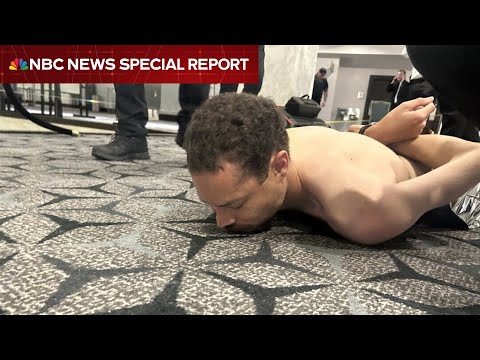
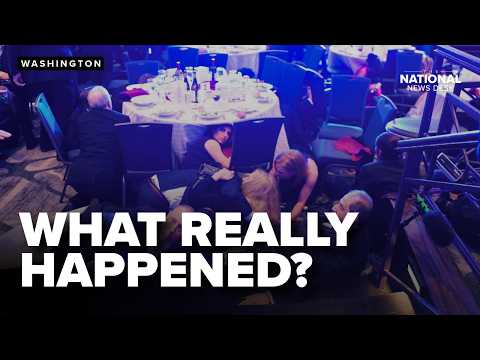
    Allen runs a 12-gauge shotgun through the Terrace Level magnetometer, fires, and is engaged by Secret Service. An officer is struck in the chest plate; Allen is subdued.

  8. Trump evacuated; ballroom cleared

    Response

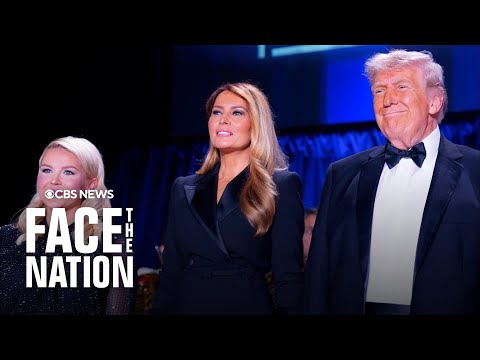
    President and First Lady are evacuated; WHCA President Weijia Jiang announces the dinner will be rescheduled within 30 days.

  9. Allen checks into the Washington Hilton

    Investigation

    Allen registers as a paying guest at the same hotel hosting the next night's correspondents' dinner.

  10. Allen begins three-day train trip from Los Angeles

    Investigation

    Allen boards Amtrak's Southwest Chief, then transfers to the Floridian, traveling Los Angeles to Chicago to Washington.

  11. West Palm Beach golf course attempt

    Background

    Ryan Routh is detected in shrubs near Trump's golf course with a rifle and arrested without firing; later sentenced to life in prison.

  12. Butler, Pennsylvania rally shooting

    Background

    Thomas Crooks fires from a rooftop, grazing Trump's ear and killing one rallygoer before being shot dead by a Secret Service counter-sniper.

Scenarios

Predict which scenario wins. Contrarian picks score more — points lock in when the scenario resolves.

Log in to predict. Track your picks, climb the leaderboard. Log in Sign Up
1

Allen indicted, convicted at trial, life sentence imposed

Heavy physical evidence—a shooter on video clearing a magnetometer with a long gun, a wounded officer, written target lists—gives prosecutors a near-direct path to the attempted-assassination count's life maximum. The May 11 preliminary hearing leads to a grand jury indictment within weeks; pretrial motions stretch into 2027 before a jury convicts on all three counts.

Discussed by: Former federal prosecutors interviewed by NPR, CBS News, and CNN
Consensus
2

Plea deal exchanges trial for cooperation and lesser sentence

Allen's writing and apparent solo planning give defense counsel little room to contest the act itself. A negotiated plea—life with parole eligibility, or a fixed multi-decade term—becomes attractive if Allen cooperates on whether others knew, on hotel and venue vulnerabilities, or on motive context. Comparable to the Routh trajectory but with stronger leverage given a wounded officer.

Discussed by: Defense analysts on Fox News and Al Jazeera
Consensus
3

Mental-health defense reshapes the case

Defense counsel raises competency and insanity questions tied to the document's content and Allen's personal history. Federal insanity standards are narrow and rarely succeed, but a competency dispute can delay proceedings substantially and push trial deep into 2027 or 2028, regardless of outcome.

Discussed by: Legal commentators citing the Hinckley precedent
Consensus
4

Superseding indictment expands charges to additional officials

If Allen's roughly 1,000-word document specifically threatens administration officials beyond the President, prosecutors can add threat-against-officer counts or terrorism enhancements at indictment. This widens the public record on motive and triggers protective-detail reviews for named officials.

Discussed by: Justice Department reporters at the Washington Post
Consensus
5

NSSE designation becomes mandatory for future WHCA dinners with presidential attendance

The revelation that the dinner lacked National Special Security Event classification — leaving Secret Service authority truncated at the ballroom perimeter while Allen operated freely as a hotel guest — is likely to force a formal policy change. Future presidential appearances at the WHCA dinner, if any, could require full-hotel NSSE designation and the interagency coordination that unlocks, reshaping how the event is planned and potentially limiting attendance.

Discussed by: National security analysts at NPR and The Washington Post, congressional critics
Consensus

Historical Context

Reagan shooting and Hinckley trial (1981–1982)

March 1981 – June 1982

What Happened

John Hinckley Jr. shot President Ronald Reagan, Press Secretary James Brady, a Secret Service agent, and a D.C. police officer outside the Washington Hilton—the same hotel where Allen attacked. Reagan survived. Hinckley was charged with attempted assassination and tried in federal court in D.C.

Outcome

Short Term

Hinckley was found not guilty by reason of insanity in June 1982 and committed to St. Elizabeths Hospital.

Long Term

Public outrage over the verdict drove Congress to pass the Insanity Defense Reform Act of 1984, narrowing the federal insanity standard that any defense team in Allen's case would now confront.

Why It's Relevant Today

Same hotel, same charge, same federal venue. The Hinckley aftermath is precisely why a successful insanity defense for Allen is far harder than it would have been forty years ago.

Butler, Pennsylvania rally shooting (2024)

July 2024

What Happened

Thomas Crooks, 20, fired eight rounds from a rooftop at a Trump campaign rally, grazing Trump's ear, killing rally attendee Corey Comperatore, and critically wounding two others. Secret Service counter-snipers killed Crooks within seconds.

Outcome

Short Term

A Senate report and an independent panel documented multiple Secret Service failures, including a uncovered rooftop and prior reports of a suspicious person.

Long Term

Director Kimberly Cheatle resigned; the agency expanded protective details, drone surveillance, and counter-sniper coverage at outdoor events.

Why It's Relevant Today

The Butler reforms focused on outdoor rally perimeters. Allen's attack penetrated a hardened indoor venue with a magnetometer, exposing a different gap in the post-2024 security model.

Ryan Routh and the West Palm Beach attempt (2024–2026)

September 2024 – February 2026

What Happened

Ryan Routh waited in shrubs near Trump's West Palm Beach golf course with an SKS-style rifle. A Secret Service agent spotted his weapon through the foliage and fired; Routh fled and was arrested without firing a shot.

Outcome

Short Term

Routh was charged in federal court in Florida and held without bail.

Long Term

He was convicted at trial and sentenced to life in February 2026—a recent template for how the Allen prosecution could resolve.

Why It's Relevant Today

Provides the most recent federal precedent for prosecuting an attempt on Trump. Conviction was secured despite no shots fired at the protectee. Allen, by contrast, fired and wounded an officer.

Sources

(16)