
Pull to refresh
Logo
Attacks on Trump's security perimeter

Attacks on Trump's security perimeter

Force in Play

From a Butler rooftop to a Washington Hilton ballroom, repeated armed approaches have tested Trump's security.

April 26th, 2026: Allen charged; Trump addresses nation

Overview

Updated May 31

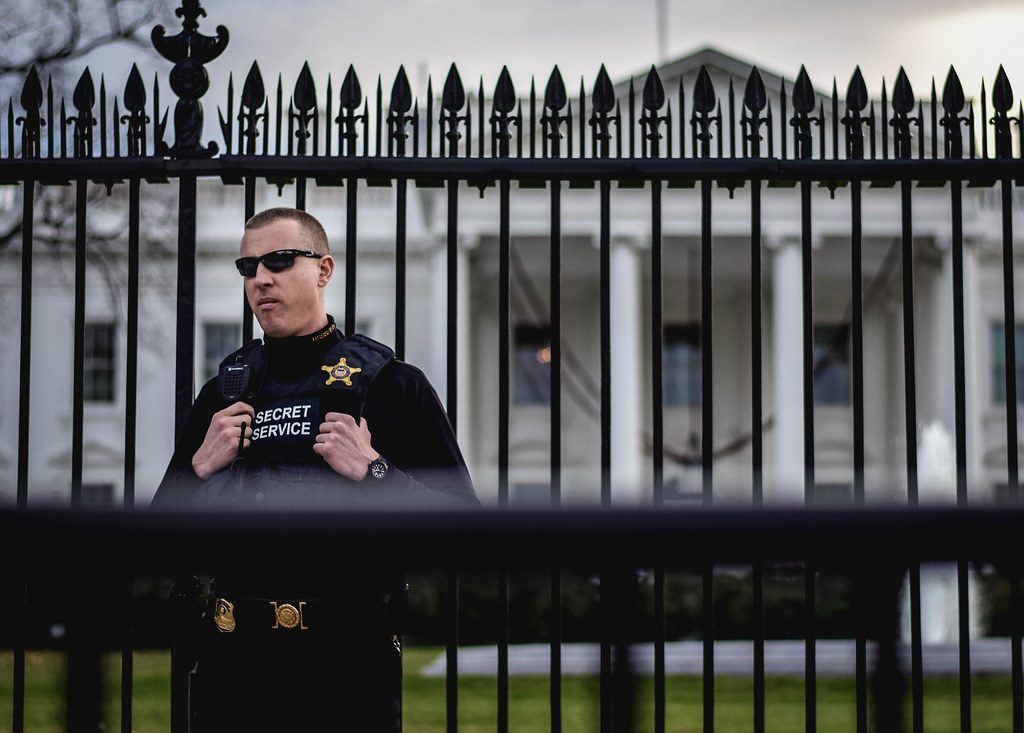
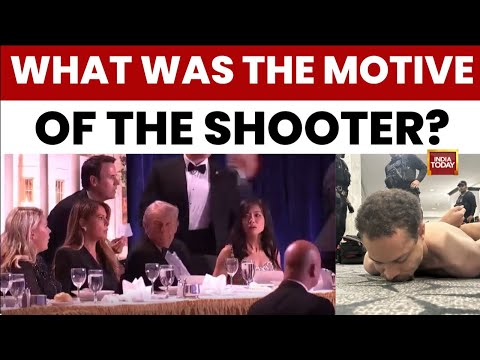
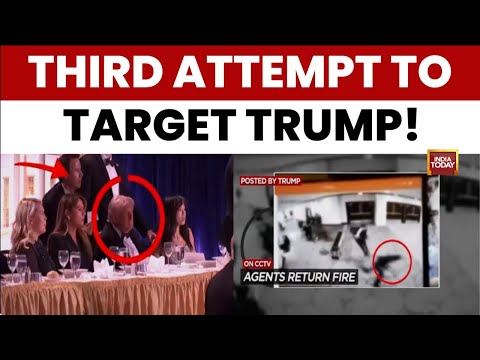
A gunman carrying a shotgun, a handgun, and multiple knives charged a Secret Service magnetometer inside the Washington Hilton on Saturday night, exchanging fire with agents before being tackled. President Donald Trump and First Lady Melania Trump were rushed from the White House Correspondents' Dinner; one Secret Service officer was struck but survived because of body armor. The dinner was canceled at law-enforcement request.

This is the second armed assault to reach a Trump security perimeter in roughly two months — the same Washington Hilton where John Hinckley Jr. shot Ronald Reagan in 1981. The Secret Service is reviewing how a man with multiple weapons cleared the hotel lobby and reached an inner checkpoint while the president was on stage. The incidents have tested the agency's security protocols.

Why it matters

Each successful breach of Trump's perimeter tightens his public schedule, hardens venues like the White House itself, and resets the security envelope every future president inherits.

Questions about this story

Free account needed to ask — your question is kept and asked for you right after sign-up. Answers are public.

No questions yet — be the first to ask.

Key Indicators

5–8
Shots fired
Rounds the suspect discharged before being subdued at the checkpoint.
62 days
Since the last armed breach
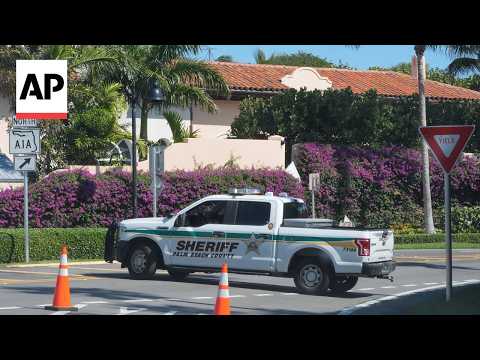
A man was shot dead at Mar-a-Lago on Feb. 22, 2026, while carrying a shotgun and gas canister.
45 years
Since Reagan was shot here
John Hinckley Jr. shot President Reagan outside this same Washington Hilton in March 1981.
1
Secret Service officer wounded
Hit during the gunfire exchange; survived because of body armor.
$25
Suspect's only recorded political donation
A 2024 contribution to a Harris-supporting PAC, the only political activity investigators have surfaced so far.

Voices

Curated perspectives — historical figures and your fellow readers.

Ever wondered what historical figures would say about today's headlines?

Sign up to generate historical perspectives on this story.

People Involved

Organizations Involved

Timeline

July 2024 April 2026

8 events Latest: April 26th, 2026 · 5 months ago
Tap a bar to jump to that date
  1. Gunman charges Hilton checkpoint at WHCD

    Attack

    Cole Tomas Allen breached lobby security and exchanged fire with agents at a magnetometer checkpoint; one officer hit but saved by body armor. Trump evacuated from the dinner; event canceled.

  2. Armed intruder shot dead at Mar-a-Lago

    Attack

    Secret Service killed Austin Tucker Martin, 21, who carried a shotgun and a gas canister onto the grounds of Trump's Florida residence.

  3. Armed man intercepted at Trump's Florida golf course

    Attack

    Ryan Wesley Routh was spotted with a rifle in the bushes at Trump International Golf Club; an agent fired at him and he was arrested fleeing.

  4. Trump shot at Butler, Pennsylvania rally

    Attack

    Thomas Crooks fired eight rounds from a nearby rooftop, wounding Trump in the ear, killing one rallygoer, and critically injuring two others before being killed by Secret Service.

Scenarios

1

Secret Service overhauls large-event screening, civilian venues lose presidential events

Likely

Discussed by: Axios, Washington Post analysts citing former agency officials

The agency tightens perimeter rules so that hotels, ballrooms, and other privately operated buildings no longer meet protective standards without federal-grade outer screening. Future correspondents' dinners and similar gatherings either move to government-controlled facilities or shrink dramatically. Congressional hearings produce a third post-incident report in two years.

2

Trump uses attack to fast-track fortified White House ballroom

Possible

Discussed by: Fortune, citing Trump's own remarks after the shooting

Trump cites the Hilton breach to accelerate his proposed bulletproof, drone-resistant ballroom on the White House grounds, arguing that no private venue can match it. Construction begins under expedited national-security authorities, and large administration events shift inside the perimeter.

3

Another armed actor reaches a Trump perimeter within months

Possible

Discussed by: Wall Street Journal and former Secret Service officials cited in the Washington Post

The cadence of recent incidents — Mar-a-Lago in February, Hilton in April — suggests inspired or copycat attempts will continue. Analysts warn that publicity around each breach lowers the perceived difficulty for the next attacker, especially against a president who travels heavily and holds frequent public events.

4

Investigation reveals coordinated network rather than lone wolf

Unlikely

Discussed by: Early speculation on cable news; not yet supported by investigators

FBI forensic work uncovers communications, funding, or shared planning linking Allen to a wider group, recasting the incident as part of a directed campaign rather than an isolated act. So far, officials including DC Police Chief Jeffery Carroll have publicly described Allen as a lone actor with no established motive.

Historical Context

3 moments from history that rhyme with this story — and how they unfolded.

September 1975

Two attempts on Gerald Ford in 17 days (1975)

Lynette 'Squeaky' Fromme pointed a pistol at President Ford in Sacramento on Sept. 5; Sara Jane Moore fired a revolver at him in San Francisco on Sept. 22, missing after a bystander deflected her arm. Both women acted alone and had no connection to each other.

Then

Ford was unhurt in both incidents. The Secret Service expanded use of bulletproof vests for the president and curtailed open ropelines.

Now

The cluster of attempts cemented the modern protective bubble around presidents in public, including advance teams and standoff distances that remain the baseline today.

Why this matters now

The 1975 cluster is the closest historical analog to the rapid sequence Trump now faces — multiple unconnected lone actors in quick succession, each prompting another tightening of the protective envelope.

March 1981

Reagan shot at the Washington Hilton (1981)

John Hinckley Jr. opened fire on President Ronald Reagan as he left the same Washington Hilton through a side entrance after a labor speech. Reagan was struck in the chest; press secretary James Brady, an officer, and an agent were also wounded. Hinckley fired six shots in under two seconds.

Then

Reagan survived emergency surgery; Brady was permanently disabled. The Secret Service redesigned presidential arrival and departure routes at hotels.

Now

The attack drove the 1993 Brady Handgun Violence Prevention Act and reshaped how presidents enter civilian venues — including the underground arrival route still used at the Hilton today.

Why this matters now

Saturday's attack happened inside the same hotel where a U.S. president was last shot. The site choice highlights how durable the Hilton's role as Washington's de facto large-event venue has been — and now reopens questions Reagan's shooting was supposed to have settled.

July 2024 – 2025

Secret Service overhaul after Butler (2024–2025)

After Thomas Crooks shot Trump from a rooftop with clear sightlines to the Butler rally stage, the Secret Service director resigned, a Senate report cataloged planning and communications failures, and the agency pledged sweeping changes to advance work and counter-sniper coverage.

Then

Leadership shake-up and congressional oversight hearings; new procedures for outdoor venues with elevated terrain.

Now

Despite the reforms, three more armed actors have since reached Trump's perimeter, raising doubts about whether procedural fixes can keep up with a president who insists on a heavy public schedule.

Why this matters now

Butler set the template: incident, review, reform, repeat. The Hilton attack will trigger the same cycle for the third time in 21 months and tests whether incremental reform is enough.

Sources

(11)