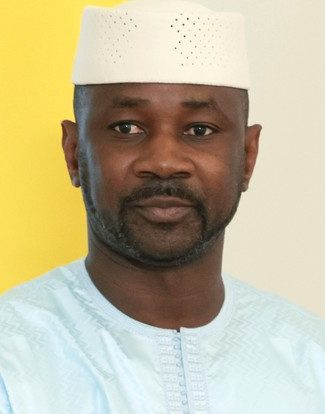
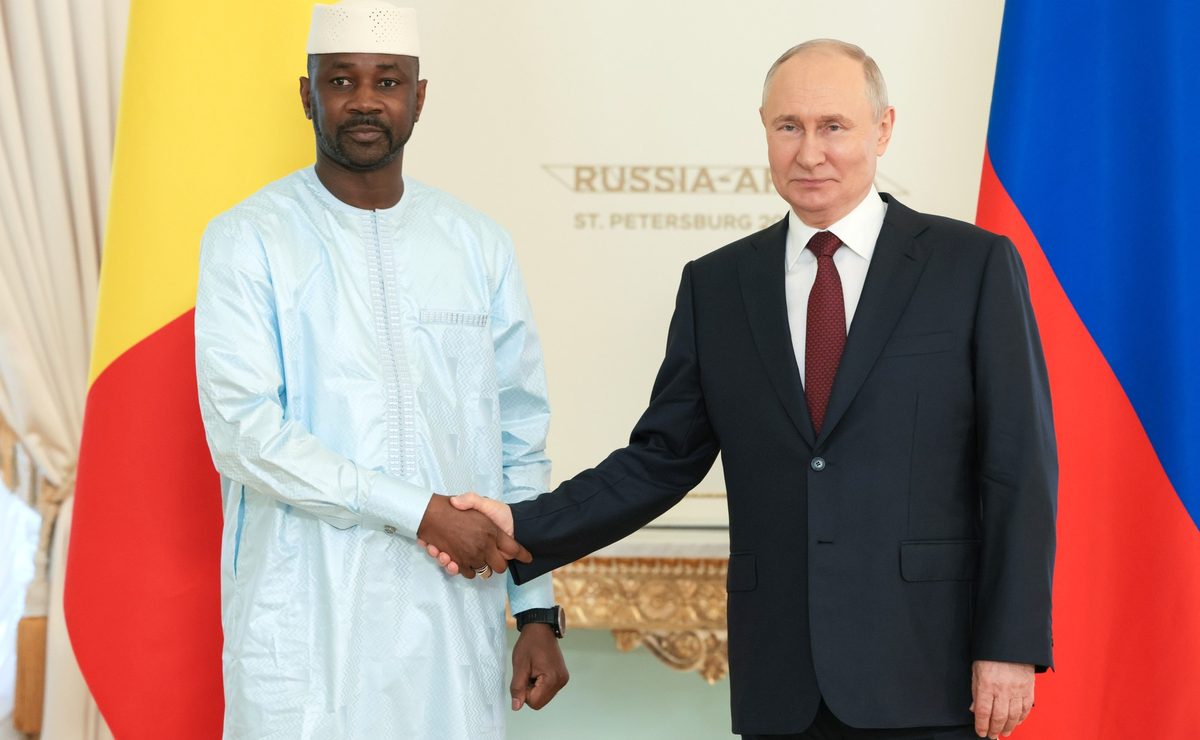
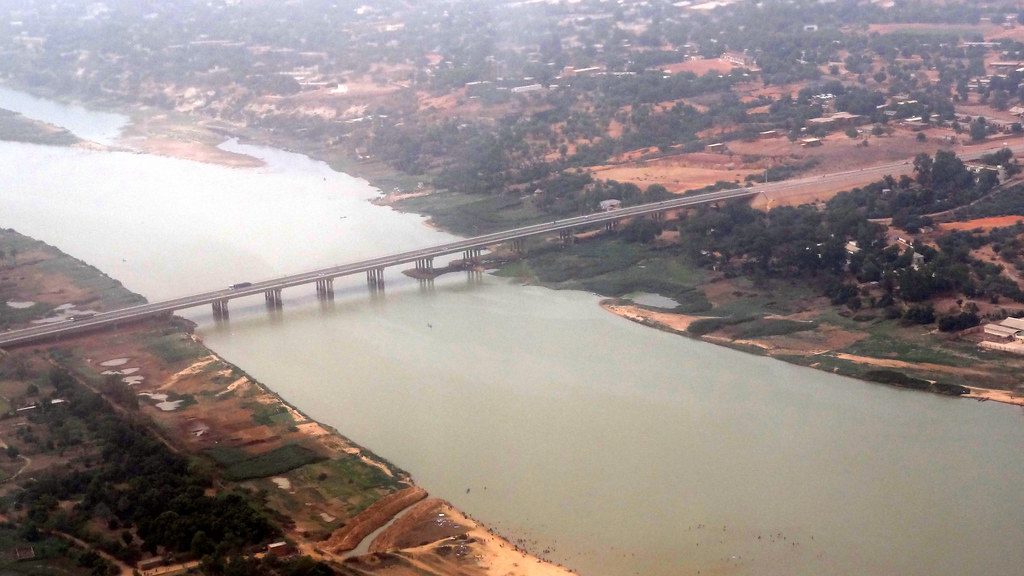
Three West African nations ruled by military juntas just banned Americans from entering their countries. Burkina Faso, Mali, and Niger (the Alliance of Sahel States) announced reciprocal travel restrictions on January 5, directly mirroring Trump's December expansion of the U.S. travel ban.
Chad joined them shortly after with its own restrictions. The synchronized response signals how far these countries have drifted from Western influence since seizing power in coups between 2020 and 2023.
The AES states have systematically expelled French and American troops, replaced them with Russian Africa Corps forces, quit the regional ECOWAS bloc, and now control a territory larger than Alaska with 72 million people. Al-Qaeda affiliate JNIM is imposing a fuel blockade that could collapse Mali's government. The Sahel has become ground zero for a new Cold War competition — the West is losing, and Mali could become the first nation-state ruled by an al-Qaeda affiliate.
Questions about this story
Free account needed to ask — your question is kept and asked for you right after sign-up. Answers are public.
No questions yet — be the first to ask.
Key Indicators
72M
Population under AES military rule
Combined population of Burkina Faso, Mali, and Niger now governed by coordinating military juntas
755
U.S. diplomatic staff expelled from Russia in similar 2017 retaliation
Historical precedent for reciprocal diplomatic actions between major powers
1,100
U.S. troops withdrawn from Niger
American forces evacuated from $110M air base in Agadez by August 2024
7,620
Terrorism fatalities in Sahel (first half 2024)
Record high deaths from jihadist violence, up 190% since 2021
50%
Share of global terrorism deaths
The Sahel now accounts for over half of worldwide terrorism casualties
3
ECOWAS member states withdrawn
First-ever mass exit from 50-year-old West African economic and security bloc
25 events
Latest: January 6th, 2026 · 8 months ago
Showing 8 of 25
JK to step
Tap a bar to jump to that date
Jump to
January 2026
Fifth Coup Attempt Against Traoré Foiled
LatestSecurity
Burkina Faso's security forces thwart assassination plot targeting President Ibrahim Traoré and plan to disable drone base ahead of planned military invasion, according to Security Minister Mahamadou Sana.
AES Formalizes Coordinated U.S. Ban
Diplomatic
Alliance of Sahel States officially announces all three members barring U.S. citizens under reciprocal response framework.
Burkina Faso Claims Security Gains
Political
President Traoré's New Year address highlights major security improvements and food self-sufficiency achievement, laying out ambitious plans for 2026.
U.S. and AES Travel Bans Take Effect
Diplomatic
Trump's expanded restrictions and reciprocal AES bans become enforceable simultaneously.
December 2025
Mali and Burkina Faso Join Travel Ban
Diplomatic
Mali and Burkina Faso announce they will mirror U.S. restrictions on their citizens by banning Americans.
Traoré Assumes AES Presidency
Political
Ibrahim Traoré of Burkina Faso takes over rotating chairmanship of Alliance of Sahel States from Mali's Assimi Goïta at 2nd Ordinary Session in Bamako.
Niger First to Retaliate
Diplomatic
Niger bans U.S. citizens from entry, citing reciprocity principle.
Niger Announces Visa Suspension First
Diplomatic
Nigerien authorities announce immediate halt to issuing visas to Americans, becoming first AES member to retaliate.
AES Launches Unified Military Force
Military
Alliance of Sahel States formally launches joint 5,000-troop rapid response force (FU-AES) at ceremony in Bamako to combat jihadist insurgency.
Trump Expands Travel Ban to 39 Countries
Diplomatic
Presidential Proclamation 10998 adds Mali, Burkina Faso, Niger to full travel ban list, citing security and terrorism concerns.
September 2025
JNIM Begins Fuel Blockade on Mali
Security
Al-Qaeda affiliate JNIM starts systematic attacks on fuel trucks, burning tankers and kidnapping drivers, cutting off 95% of Mali's fuel supply from Senegal and Ivory Coast.
July 2025
Mali Grants Goïta Indefinite Rule
Political
Transitional parliament approves five-year renewable term without elections, potentially keeping Goïta in power indefinitely.
June 2025
Chad Joins Travel Ban Retaliation
Diplomatic
Chad stops issuing visas to U.S. citizens (except officials) in response to Trump travel restrictions, requiring visas issued before June 9 for entry.
Russia Transitions to Africa Corps in Mali
Military
Wagner Group formally withdraws from Mali; Russian Ministry of Defense deploys approximately 1,000 Africa Corps fighters to replace mercenary operations.
Final American forces leave $110 million Agadez air base, ending counterterrorism operations.
July 2024
AES Formally Becomes Confederation
Political
Alliance transitions from defense pact to full confederation with economic integration plans.
April 2024
Niger Orders U.S. Military Withdrawal
Military
Niger cancels security agreement, demands 1,100 U.S. troops leave. Russia invited to fill vacuum.
January 2024
Three Nations Announce ECOWAS Exit
Diplomatic
AES states jointly withdraw from 50-year-old regional bloc, accusing it of being "under foreign influence."
September 2023
Alliance of Sahel States Founded
Diplomatic
Mali, Burkina Faso, Niger sign mutual defense pact. Russian delegation attends ceremony; Moscow first to recognize alliance.
July 2023
Niger Coup Triggers Regional Crisis
Political
General Abdourahamane Tchiani's Presidential Guard detains elected President Mohamed Bazoum. ECOWAS threatens military intervention.
September 2022
Burkina Faso's Second Coup Elevates Traoré
Political
Captain Ibrahim Traoré ousts previous junta leader, becomes world's youngest president at 34. ECOWAS suspends Burkina Faso.
August 2022
France Completes Mali Withdrawal
Military
Operation Barkhane ends after nine years. All 4,500 French troops evacuate as Mali turns to Russia's Wagner Group.
May 2021
Goïta Seizes Full Control in Second Coup
Political
Mali's junta leader stages second coup, ousting transitional government. France begins withdrawing troops.
August 2020
Mali's First Coup Begins Regional Cascade
Political
Colonel Assimi Goïta leads military coup overthrowing President Ibrahim Boubacar Keïta. ECOWAS suspends Mali and imposes sanctions.
Scenarios
1
JNIM Captures Bamako, Mali Collapses
Possible
Discussed by: Security experts quoted in Newsweek and Foreign Policy; UN Security Council briefings
Al-Qaeda affiliate Jama'at Nusrat al-Islam wal Muslimeen has declared a blockade on Mali's southwestern towns and intensified attacks near the capital. Security analysts warn JNIM is positioning for an assault on Bamako, which would represent an unprecedented victory for an al-Qaeda affiliate—capturing a national capital. If Bamako falls, Mali's military government would likely flee, triggering refugee crises into neighboring states and demonstrating the catastrophic failure of Russia's security partnership. ECOWAS or French forces might attempt emergency intervention, though political will for such action remains unclear.
2
AES Consolidates into Durable Anti-Western Bloc
Possible
Discussed by: African analysts at Modern Diplomacy and International Crisis Group
The Alliance of Sahel States successfully weathers jihadist violence, consolidates military cooperation with Russia, and emerges as a stable alternative governance model rejecting Western democratic norms. The unified passport system and economic integration deepen, attracting other frustrated African nations to join. By 2030, the AES represents a genuine counterweight to ECOWAS, with China, Russia, and Turkey as primary partners. The synchronized travel ban demonstrates the kind of coordinated diplomacy that could define this scenario—three militarily-ruled states acting as one strategic bloc.
3
Internal Coup Cycle Fragments Alliance
Possible
Discussed by: African security researchers; historical patterns of military government instability
Military juntas rarely survive their own internal contradictions. One of the three AES leaders—most likely whoever presides over the worst security or economic collapse—gets overthrown by rival officers promising better results. The Alliance fractures as new coup leaders seek Western rapprochement to unlock aid and investment. ECOWAS and France exploit the opening to reassert influence. The pattern that created the AES (coups justified by predecessor's failures) could just as easily destroy it, especially as jihadist violence continues escalating despite Russian support.
4
U.S. Lifts Ban, Seeks Sahel Re-Engagement
Unlikely
Discussed by: Hypothetical scenario based on shifting strategic priorities
Recognizing that the travel ban accomplished nothing except pushing the Sahel deeper into Russia's orbit, a future U.S. administration reverses course and initiates diplomatic outreach. The AES states, facing mounting jihadist pressure and underwhelming Russian assistance, quietly reciprocate by lifting their travel restrictions. Pragmatic engagement resumes without requiring regime change, prioritizing counterterrorism cooperation over democracy promotion. However, this scenario requires both sides to abandon their current hardline positions—making it unlikely in the near term.
5
Regional Domino Effect Following Mali Collapse
Possible
Discussed by: Atlantic Council, U.S. State Department warnings, African Union emergency calls
If JNIM's fuel blockade succeeds in collapsing Mali's government and the jihadist group takes Bamako, the psychological and strategic shock could trigger a domino effect across the Sahel. Burkina Faso and Niger, already struggling with their own jihadist insurgencies despite Russian support, might face emboldened JNIM offensives. The precedent of an al-Qaeda affiliate successfully overtaking a capital would inspire jihadist movements globally while demonstrating the catastrophic failure of both the French withdrawal and Russian replacement strategy. Multiple Western nations have already issued 'depart immediately' warnings for Mali.
Historical Context
3 moments from history that rhyme with this story — and how they unfolded.
1 of 3
1954-1962
French Military Withdrawal from Algeria (1962)
After eight years of brutal warfare, France withdrew from Algeria, ending 132 years of colonial rule. The loss traumatized French politics and military thinking, representing the definitive end of France's status as an imperial power. Algeria pivoted toward the Soviet Union and non-aligned movement, rejecting continued French influence. The withdrawal came after French forces proved unable to defeat an insurgency despite massive troop deployments.
Then
Algeria achieved independence and expelled French settlers; diplomatic relations collapsed for years.
Now
France retained significant cultural and economic ties, but never regained political dominance; Algeria charted an independent foreign policy.
Why this matters now
The 2020s Sahel withdrawals echo the Algerian precedent—former colonial power fails to stabilize region militarily, gets expelled by local forces, and is replaced by rival great power (then USSR, now Russia).
2 of 3
1965-1979
Sanctions Against Rhodesia/Zimbabwe (1965-1979)
After Rhodesia's white minority government unilaterally declared independence in 1965, the UN Security Council imposed comprehensive sanctions—the first mandatory sanctions in UN history. The sanctions aimed to force the regime to accept majority rule. However, Rhodesia survived for 14 years through sanctions-busting networks with South Africa and Portugal, adapting its economy to isolation. Only after protracted guerrilla warfare did the government finally negotiate a transition to majority rule (Zimbabwe) in 1979.
Then
Sanctions inflicted economic damage but strengthened regime's nationalist narrative and resolve.
Now
Regime change came primarily from military defeat, not sanctions; sanctions' main effect was diplomatic isolation.
Why this matters now
ECOWAS sanctions against the Sahel juntas backfired similarly—they caused economic pain but strengthened anti-Western sentiment and pushed the regimes toward Russia, ultimately forcing ECOWAS to lift restrictions and watch the states exit entirely.
3 of 3
2016-2018
U.S.-Russia Diplomatic Expulsions (2017-2018)
After the U.S. expelled 35 Russian diplomats over election interference in December 2016, Russia demanded the U.S. cut 755 diplomatic staff in July 2017. The tit-for-tat escalated in March 2018 following the Skripal poisoning in Britain—the U.S. expelled 60 Russian envoys, Russia expelled 60 Americans and closed the U.S. consulate in Saint Petersburg. Each side meticulously mirrored the other's actions, demonstrating how reciprocal diplomatic retaliation becomes self-sustaining.
Then
Both countries' diplomatic capabilities were severely degraded, with embassy operations crippled.
Now
The expulsion cycle established new norms for great power confrontation, normalizing minimal diplomatic engagement.
Why this matters now
The Sahel travel ban follows the same reciprocity logic—matching U.S. restrictions one-for-one to signal sovereign equality and refusal to accept subordinate treatment.