
Pull to refresh
Logo
Daily Brief
Following
Why Ranks Sign Up
Britain's Super Thursday tests Labour across three nations

Britain's Super Thursday tests Labour across three nations

Rule Changes

Results confirm Reform surge and Labour rout as Starmer vows to stay

May 8th, 2026: Farage declares 'historic shift' as Reform UK takes four councils

Overview

Results from the May 7 Super Thursday elections arrived through Friday, May 8, matching and in places exceeding the poll-predicted losses for Labour. Reform UK gained more than 500 English council seats, taking control of at least four authorities (Newcastle-under-Lyme, Havering, Sunderland, and Essex) having previously controlled none. Labour lost more than 300 seats and surrendered Exeter, Southampton, Bolton, and other councils it had held for years. In Scotland, counting pointed to a fifth consecutive SNP government at Holyrood, but short of an outright majority. In Wales, partial Senedd results showed Labour reduced to single figures in seat count, and First Minister Eluned Morgan lost her own seat in Ceredigion Penfro.

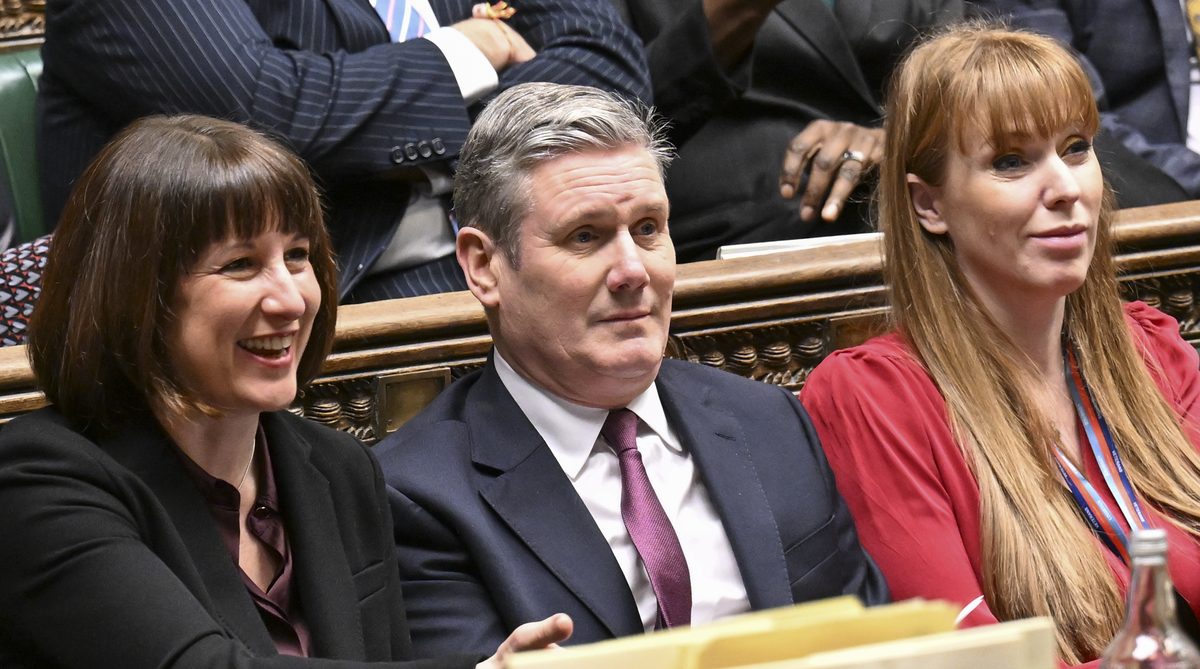
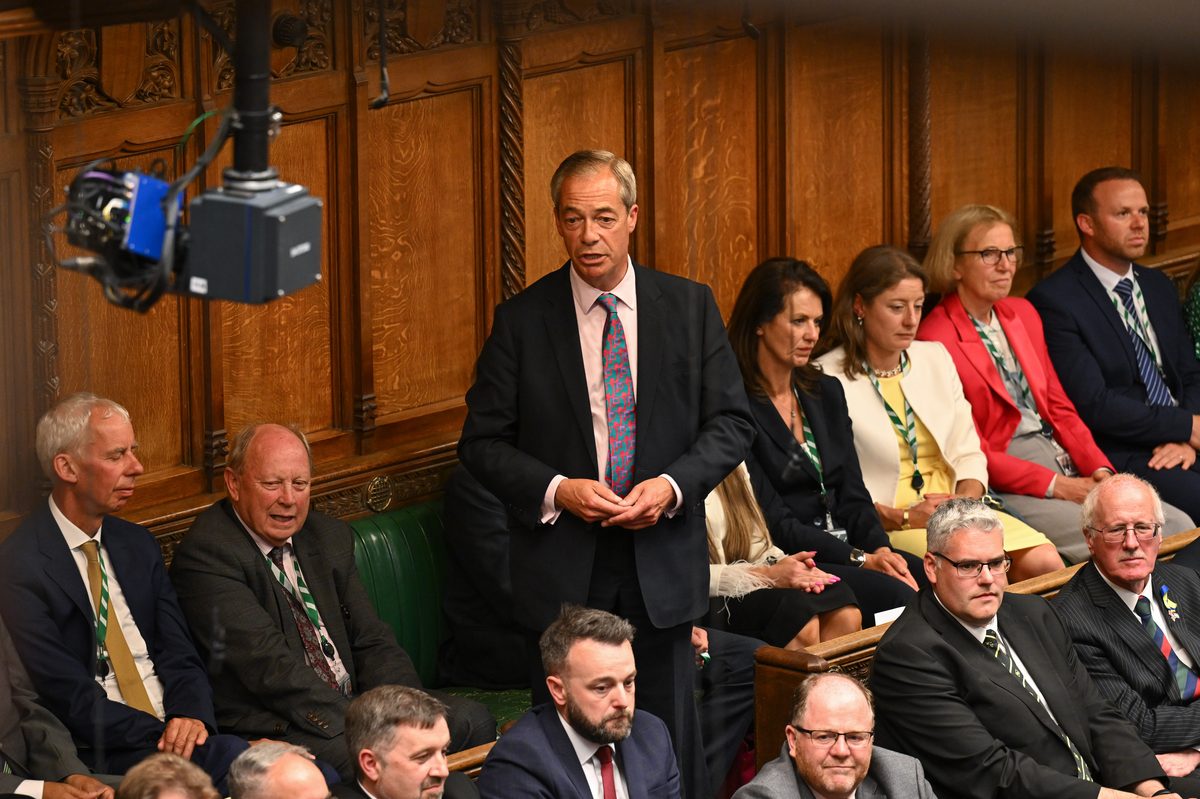
Nigel Farage told reporters Friday morning that the results were 'a truly historic shift in British politics' and that Reform is now 'the most national of all parties.' Keir Starmer, speaking at a church hall, called the results 'really tough' but refused to resign: 'I was elected to meet those challenges and I'm not going to walk away.' Labour MP Jonathan Brash and Hull Labour leader Darren Hale called publicly for Starmer to go; Deputy Prime Minister David Lammy urged the party not to change leaders mid-term. Welsh results were still being declared, with Plaid Cymru's Rhun ap Iorwerth on course to become the first Plaid first minister, while coalition talks in Cardiff appeared to be days away.

Why it matters

Reform UK now governs councils from Essex to Sunderland; the party that held five MPs two years ago controls more local government than Labour.

Key Indicators

5,066
English council seats contested
Across 136 local authorities, including every seat in all 32 London boroughs.
129
Scottish Parliament seats
All MSPs at Holyrood up for election; 65 needed for a majority. SNP forecast at 60–63.
96
Welsh Senedd seats
Expanded from 60, elected via closed-list PR across 16 six-member constituencies.
500+
Reform UK council seats gained
Reform took outright control of at least four English councils (Newcastle-under-Lyme, Havering, Sunderland, Essex) having held none before polling day.
300+
Labour council seats lost (partial)
Early counts from roughly half of the 136 English councils showed Labour already past 300 losses, including control of Exeter, Southampton, and Bolton.
~11.5%
Welsh Labour vote share (actual)
Down from 36% in 2021; the party's worst Welsh result since 1906. First Minister Eluned Morgan lost her own seat.

Interactive

Exploring all sides of a story is often best achieved with Play.

Ever wondered what historical figures would say about today's headlines?

Sign up to generate historical perspectives on this story.

People Involved

Organizations Involved

Timeline

  1. Farage declares 'historic shift' as Reform UK takes four councils

    Election

    Nigel Farage told reporters England's results were 'a truly historic shift in British politics,' as Reform UK's total gains passed 500 council seats and the party took outright control of Newcastle-under-Lyme, Havering, Sunderland, and Essex.

  2. Starmer refuses to resign, calls results 'really tough'

    Politics

    Keir Starmer, speaking at a church hall, took personal responsibility for Labour's losses but said he would not quit. Labour MP Jonathan Brash and Hull Labour leader Darren Hale publicly called for him to go; Deputy Prime Minister David Lammy cautioned against changing leaders mid-term.

  3. Welsh First Minister Eluned Morgan loses her Senedd seat

    Election

    Morgan lost her seat in Ceredigion Penfro as partial Senedd results showed Welsh Labour on around five seats. Plaid Cymru had 22 and Reform UK 17 from counts declared, with Labour's vote share falling to roughly 11.5%.

  4. Scottish Parliament count points to SNP fifth term, short of majority

    Election

    Counts through Friday showed the SNP on track to remain the largest party at Holyrood but between 60 and 63 seats — short of the 65 needed for a majority. John Swinney retained his Perthshire North seat and said the SNP would be the largest party when the count concluded.

  5. Super Thursday polls open across Britain

    Election

    Voters in England, Scotland, and Wales cast ballots in combined local-government, Holyrood, and Senedd elections; polls close at 22:00 BST.

  6. Final polling published across all three contests

    Polling

    YouGov MRP shows SNP short of Holyrood majority and Plaid Cymru leading in Wales; Labour projected for steep council losses in England.

  7. Kemi Badenoch elected Conservative leader

    Leadership

    Badenoch wins Conservative leadership contest after the party's worst general election result.

  8. Eluned Morgan becomes Welsh first minister

    Leadership

    Morgan takes over Welsh Labour and the Welsh government after Vaughan Gething's resignation.

  9. Labour wins UK general election

    Election

    Keir Starmer's Labour Party wins 411 Commons seats, ending 14 years of Conservative government and forming the baseline being tested today.

  10. Welsh Senedd reform becomes law

    Legislation

    The Senedd Cymru (Members and Elections) Act 2024 enlarges the parliament from 60 to 96 seats and replaces its voting system with closed-list PR.

  11. John Swinney becomes Scottish first minister

    Leadership

    Swinney takes over the SNP and Scottish government after Humza Yousaf resigns; begins rebuilding party in advance of 2026 vote.

  12. Devolved parliaments first elected

    Constitutional

    Scotland and Wales hold their first devolved elections, establishing the institutional framework being tested again on Super Thursday.

Scenarios

Predict which scenario wins. Contrarian picks score more — points lock in when the scenario resolves.

Log in to predict. Track your picks, climb the leaderboard. Log in Sign Up
1

Labour suffers historic losses; Starmer faces leadership pressure

Labour loses roughly 2,000 of the 2,550 English council seats it is defending and falls to third in Wales. Backbench Labour MPs revive open discussion of a leadership change before the next general election. Starmer survives in the short term but enters a sustained period of internal challenge, with names like Andy Burnham and Wes Streeting cited as alternatives.

Discussed by: New Statesman, Yorkshire Post, France 24, pollster Robert Hayward
Consensus
2

SNP wins majority and demands second independence referendum

The SNP outperforms polling and wins 65 or more seats at Holyrood. Swinney declares a renewed mandate and uses the new parliament's first sitting day to seek a section 30 order from Westminster transferring referendum powers. The UK government refuses, triggering a constitutional standoff and a likely Supreme Court case echoing the 2022 ruling that blocked an SNP-only referendum.

Discussed by: John Swinney, Scotsman, Institute for Government
Consensus
3

Plaid-Labour coalition takes power in Wales

Plaid Cymru wins the most seats in the Senedd but falls short of a majority. After negotiations, it forms a coalition or supply-and-confidence arrangement with Welsh Labour, with Rhun ap Iorwerth becoming first minister. The new government revives stalled debates over further devolution of justice and broadcasting powers and opens space for a future independence question.

Discussed by: YouGov, ITV Cymru Wales, Constitution Unit
Consensus
4

Reform UK becomes a third major force across Britain

Reform UK wins 1,000-plus English council seats, around 19 MSPs, and roughly 34 Senedd seats. The party gains its first formal foothold in devolved politics and becomes the official opposition in either Scotland or Wales. Conservative voters defect in larger numbers, and merger or pact talks between Reform and parts of the Conservative Party intensify ahead of the next general election.

Discussed by: Survation, YouGov, BritBrief
Consensus
5

Rhun ap Iorwerth forms minority Plaid government in Cardiff

With Plaid Cymru leading on seats but short of the 49 needed for a majority in the 96-member Senedd, ap Iorwerth has expressed a preference for governing as a minority rather than entering a formal coalition. A minority Plaid government would rely on vote-by-vote support, most likely from Labour, making ap Iorwerth the first Plaid first minister in Wales's 27-year devolved history — but in a fragile position from day one.

Discussed by: Rhun ap Iorwerth, ITV Wales, Nation Cymru
Consensus
6

Labour leadership challenge before end of 2026

Despite Starmer's public refusal to resign, the scale of May 2026 losses has prompted open calls from party members and local leaders for a leadership contest. If Labour's Westminster polling continues to trail Reform through the summer, frontrunners such as Health Secretary Wes Streeting or Greater Manchester Mayor Andy Burnham may declare their availability.

Discussed by: Labour MP Jonathan Brash, Hull Labour leader Darren Hale, analysts at The Conversation
Consensus

Historical Context

Conservative council collapse (1995)

May 1995

What Happened

Eighteen months before the 1997 general election, John Major's Conservative government suffered devastating local council losses, ceding more than 2,000 seats and losing control of dozens of councils to Labour and the Liberal Democrats. The result confirmed that Tony Blair's Labour was a credible governing alternative.

Outcome

Short Term

Major's authority within the Conservative Party weakened sharply; he triggered a 'put up or shut up' leadership contest in July 1995 to confront critics.

Long Term

The local-election rout was a leading indicator for the 1997 general election landslide, in which Labour won 418 seats and Blair became prime minister.

Why It's Relevant Today

The 2026 contest reverses the polarity but mirrors the dynamic — a governing party is testing whether mid-term local results signal terminal decline or a recoverable slump.

SNP wins first Holyrood majority (2011)

May 2011

What Happened

The Scottish National Party won 69 of 129 Holyrood seats — an outright majority that the parliament's proportional system was designed to make almost impossible. Alex Salmond used the result to claim a mandate for an independence referendum, which the UK government accepted.

Outcome

Short Term

The Edinburgh Agreement of October 2012 transferred the legal power to hold a referendum to Holyrood under a section 30 order.

Long Term

Scotland voted 55%-45% against independence in September 2014; the question has remained live in Scottish politics ever since.

Why It's Relevant Today

John Swinney's stated benchmark for success — an SNP majority — is explicitly modelled on the 2011 result and the constitutional leverage it produced.

Welsh Assembly first elected (1999)

May 1999

What Happened

Following a narrowly approved 1997 referendum, Wales held its first elections to a 60-member National Assembly with limited devolved powers. Labour won 28 seats, Plaid Cymru 17, and a Labour-led administration was formed under Alun Michael.

Outcome

Short Term

The Assembly began operating with secondary-legislation powers only, drawing criticism from both nationalists and unionists for its limited remit.

Long Term

Powers were progressively expanded through the 2006 Government of Wales Act, the 2011 referendum on primary law-making, the 2017 Wales Act, and the 2024 Senedd reform act.

Why It's Relevant Today

The 96-seat Senedd debuting today is the culmination of a 27-year expansion of Welsh devolution, and the first election in which Plaid Cymru is favoured to lead the government.

Sources

(23)