Bulgaria's ex-president Radev wins outright parliamentary majority after mass protests toppled government
Rule Changes
Former air force commander's new party secures 130 of 240 seats in Bulgaria's eighth snap election since 2021, raising questions about EU consensus on Russia
Former air force commander's new party secures 130 of 240 seats in Bulgaria's eighth snap election since 2021, raising questions about EU consensus on Russia
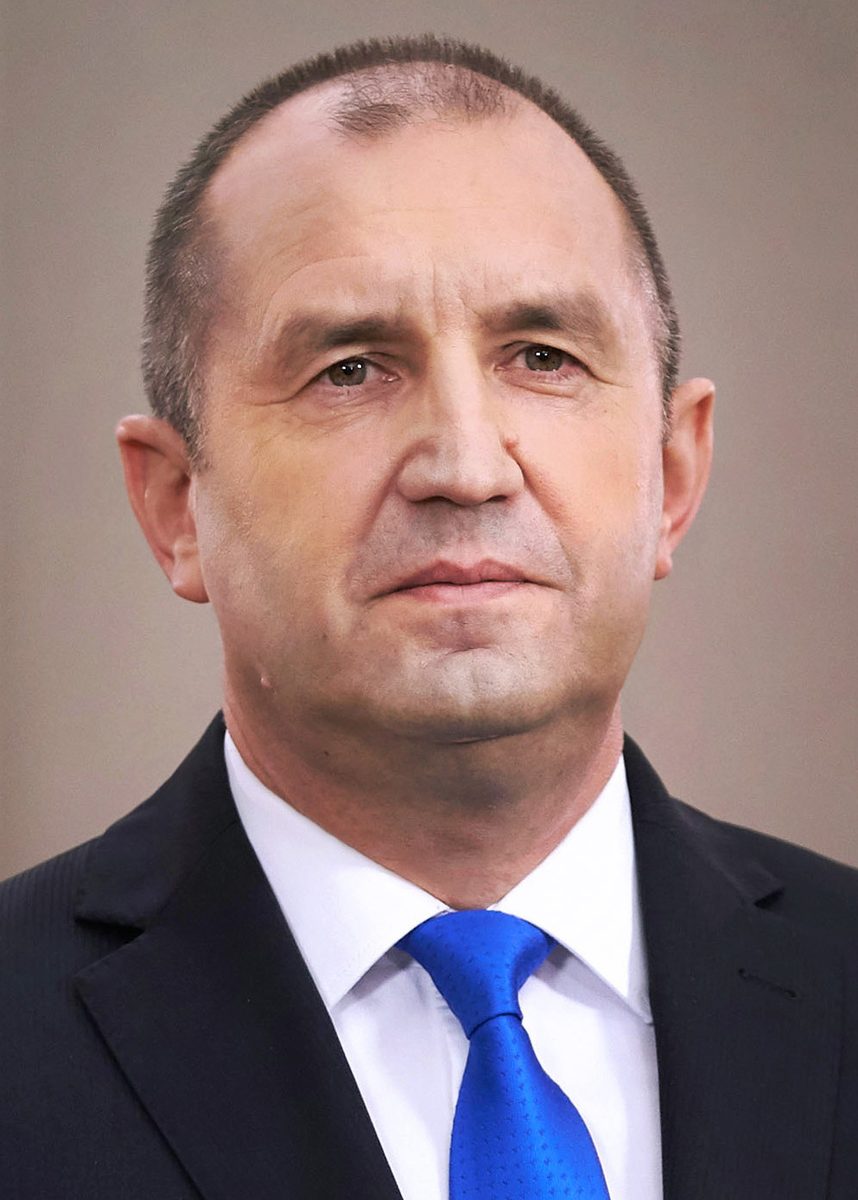
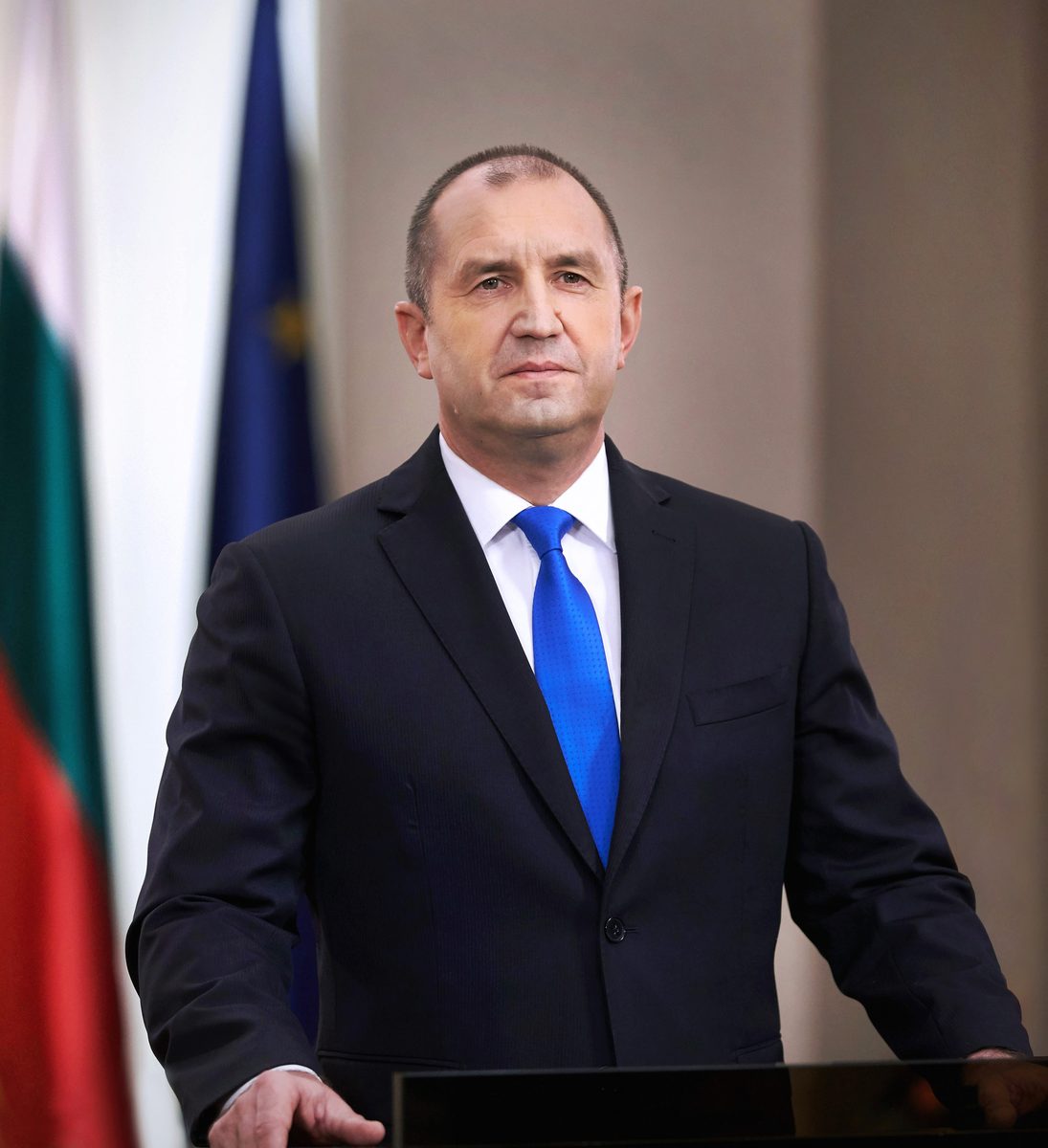
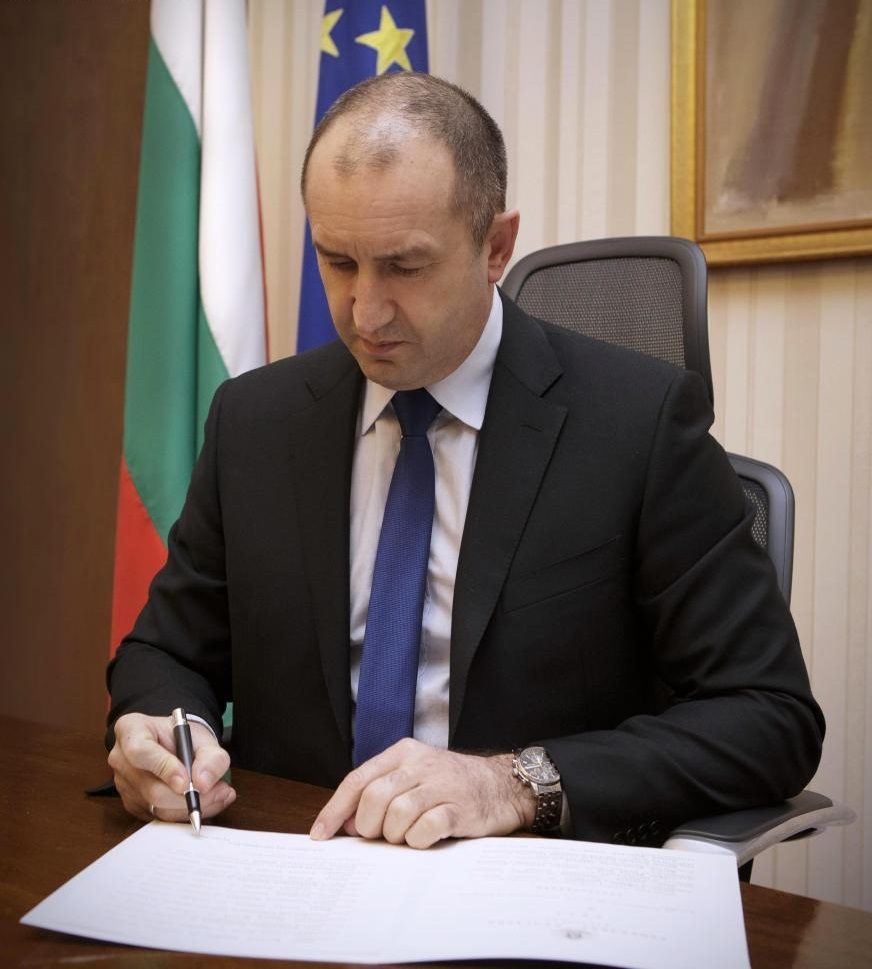
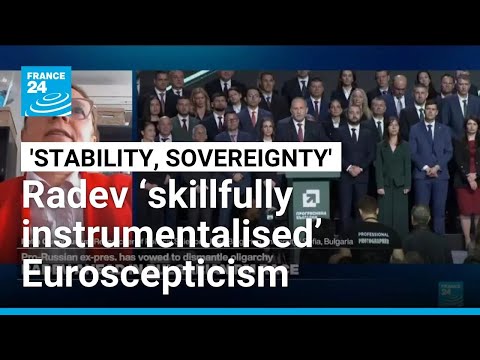
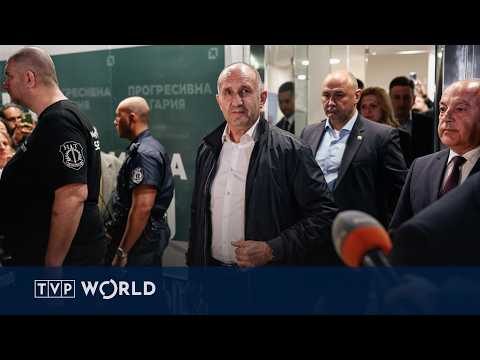
Bulgaria held its eighth parliamentary election in five years on April 19, 2026. Former President Rumen Radev's Progressive Bulgaria coalition won 44.7% of the vote—the largest single-party result in Bulgaria's democratic history—giving it roughly 130 seats and an outright majority in the 240-seat National Assembly. Radev resigned the presidency in January to form the party, riding a wave of anti-corruption anger after mass protests toppled the previous government in December 2025.
The result installs a self-described 'pragmatist' as head of a NATO and EU member state. Radev has vetoed military aid to Ukraine, criticized European Union sanctions on Russia, and called for restoring dialogue with Moscow. He has explicitly pledged not to use Bulgaria's veto to block EU-level decisions on Ukraine—a distinction that will be tested quickly as Brussels prepares its next sanctions package.
Why it matters
A NATO member state's new leader wants dialogue with Moscow, potentially weakening EU unanimity on Russia sanctions.
Questions about this story
Free account needed to ask — your question is kept and asked for you right after sign-up. Answers are public.
No questions yet — be the first to ask.
Key Indicators
44.6%
Progressive Bulgaria vote share
Largest single-party result in Bulgaria's post-1989 democratic history
8
Snap elections since 2021
Bulgaria has been unable to form a stable government for five years
131
Seats won (of 240)
Outright majority confirmed by Central Election Commission; Progressive Bulgaria can govern alone
48.8%
Voter turnout
Up nearly 10 points from October 2024's historic low of 34%
20+ bcm
Russian gas transiting Bulgaria annually
Bulgaria is the EU's only gateway for Russian pipeline gas via TurkStream
13 events
Latest: April 21st, 2026 · 5 months ago
Showing 8 of 13
JK to step
Tap a bar to jump to that date
Jump to
April 2026
Unofficial cabinet list circulates; Demerdzhiev tipped for interior
LatestGovernment Formation
Bulgarian media reported an unofficial list of likely ministers drawn from Radev's previous caretaker administrations, with Ivan Demerdzhiev (former interior minister) and a career diplomat expected for the foreign ministry. No formal appointments have been made pending parliamentary constitution.
Progressive Bulgaria wins outright majority
Election
Official results confirm 44.7% and approximately 130 seats for Radev's coalition—the largest single-party win in Bulgaria's democratic history.
Kremlin spokesman Dmitry Peskov said Russia was 'impressed' by Radev's statements about resolving problems through pragmatic dialogue, marking an unusually warm public endorsement of a new EU leader by Moscow.
Progressive Bulgaria rules out EU, Eurozone, and NATO exit
Political Statement
The coalition issued a formal statement declaring: 'We have no intention of leaving the EU, Eurozone, or NATO,' seeking to reassure Western partners alarmed by comparisons to Viktor Orban.
Radev calls for Russia dialogue, rules out Bulgarian weapons transfers to Ukraine
Policy Statement
In post-election remarks, Radev said 'dialogue with Russia must be restored' and cited German Chancellor Friedrich Merz as a European leader making the same argument. He said Bulgaria, as 'the poorest country in the EU,' saw no reason to supply weapons to Ukraine, while pledging not to prevent other countries from doing so.
March 2026
Progressive Bulgaria launched
Political
Radev formally presents his coalition, uniting social democrats and civic movements under an anti-corruption, sovereigntist platform.
January 2026
Radev resigns presidency
Political
Radev becomes the first Bulgarian president to resign, announcing he will enter party politics and contest the coming election directly.
December 2025
Largest protests in years bring down government
Protests
Between 100,000 and 150,000 people rally in Sofia alone. Demands expand beyond the budget to anti-corruption and new elections. The government resigns the next day.
November 2025
Budget protests begin
Protests
Demonstrations erupt after the Zhelyazkov government proposes higher pension contributions and dividend taxes.
June 2024
Turnout hits historic low
Election
Bulgaria's sixth snap election sees just 34.4% turnout—the lowest since 1991—as voter exhaustion peaks.
December 2023
Radev vetoes military aid to Ukraine
Presidential Action
President Radev vetoes the transfer of 100 Bulgarian armored personnel carriers to Ukraine, calling them needed domestically. Parliament overrides the veto.
December 2021
Anti-corruption reformers briefly take power
Government Formation
Kiril Petkov's We Continue the Change forms a four-party coalition government. It collapses six months later in Bulgaria's first successful no-confidence vote.
April 2021
Bulgaria's cycle of instability begins
Election
GERB wins the first of what will become eight elections in five years. No government can be formed as all parties refuse to coalition with Borisov.
Scenarios
1
Radev governs as pragmatic centrist, avoids EU confrontation
Likely
Discussed by: Irish Times, European Council on Foreign Relations (ECFR), analysts noting his explicit no-veto pledge
Radev focuses domestically on anti-corruption reforms and judicial overhaul while maintaining Bulgaria's EU and NATO commitments. He criticizes sanctions rhetorically but does not block them, similar to how Slovakia's Robert Fico operates—vocal dissent without institutional obstruction. Bulgaria's euro adoption proceeds on schedule. This scenario is supported by his repeated statements ruling out veto use and his US military training background.
2
Bulgaria becomes second Hungary, eroding EU consensus from within
Possible
Discussed by: Atlantic Council, CNN, Washington Post, anti-Radev opposition in Bulgaria
Radev uses procedural tools short of a formal veto—delays, abstentions, conditions, staffing changes in the foreign ministry—to slow EU action on Russia. Combined with Hungary, this creates a blocking minority on sanctions renewals that require unanimity. Energy transit revenues from TurkStream give Bulgaria economic incentive to resist the EU's 2028 Russian energy phase-out. This would mark a structural shift in EU foreign policy capacity.
Discussed by: Balkan Insight, OSW (Centre for Eastern Studies), domestic analysts
The enormous mandate was driven by anti-corruption anger, not foreign policy preferences. Radev's government spends its political capital on prosecutions, asset seizures, and judicial reform—facing entrenched resistance from oligarchic networks. Foreign and defense policy remains largely unchanged from the caretaker period as domestic battles absorb all bandwidth. The Russia question becomes more rhetorical than operational.
4
Populist honeymoon fades, instability returns
Unlikely
Discussed by: Wilson Center, skeptical Bulgarian commentators who note the country's pattern
Progressive Bulgaria's diverse coalition fractures under governing pressure, as happened to every Bulgarian government since 2021. Internal tensions between Radev's sovereigntism and his social-democratic partners' EU orientation emerge within 12-18 months. Bulgaria returns to the cycle of caretaker governments and snap elections, with the foreign policy question unresolved.
Historical Context
3 moments from history that rhyme with this story — and how they unfolded.
1 of 3
April 1997
Bulgaria's United Democratic Forces landslide (1997)
After economic collapse, hyperinflation exceeding 300%, and mass protests forced the Bulgarian Socialist Party government to resign, the reformist United Democratic Forces won 62.4% of the vote—the only previous result comparable to Radev's 44.7%.
Then
Ivan Kostov's government implemented a currency board, stabilized the economy, and set Bulgaria on its path toward NATO and EU membership.
Now
Proved that protest-driven mandates in Bulgaria can produce genuine structural reform—but also that such mandates are products of crisis conditions unlikely to repeat.
Why this matters now
The only domestic precedent for a single party winning an overwhelming mandate after mass protests toppled a government. Suggests that protest-era mandates in Bulgaria produce real policy change—the question is in which direction.
2 of 3
April 2010
Viktor Orban's return to power in Hungary (2010)
After Hungary's socialist government collapsed amid economic crisis and a leaked tape admitting the prime minister had lied about the economy, Viktor Orban's Fidesz won a two-thirds constitutional supermajority. He had previously served as PM from 1998-2002 before losing power.
Then
Orban rewrote Hungary's constitution, restructured courts, and consolidated media control within two years.
Now
Hungary became the EU's primary internal dissident on Russia policy, repeatedly blocking or delaying sanctions and aid to Ukraine, demonstrating how a single member state can constrain EU unanimity.
Why this matters now
The closest analogue to a leader returning from the political wilderness with an overwhelming mandate in an EU state, though Radev's explicit no-veto pledge and lack of constitutional supermajority distinguish his position from Orban's.
3 of 3
October 2023
Robert Fico's return in Slovakia (2023)
Robert Fico, a self-described 'Moscow-friendly' social democrat who had been forced from office in 2018 after a journalist's murder sparked mass protests, won Slovakia's September 2023 election and immediately halted military aid to Ukraine.
Then
Slovakia stopped bilateral weapons shipments to Ukraine and Fico visited Moscow, drawing EU criticism but no formal consequences.
Now
Fico demonstrated that a NATO/EU member could diverge significantly on Russia without institutional penalty, creating a template for 'dissent without exit.'
Why this matters now
The most recent precedent for a 'Moscow-friendly' leader winning power in an EU/NATO state. Radev's situation parallels Fico's rhetorical positioning but with a larger mandate and more strategic geographic importance as the sole transit state for Russian pipeline gas.