
Pull to refresh
Logo
Turkey's Kurdish peace process enters PKK disarmament phase

Turkey's Kurdish peace process enters PKK disarmament phase

Force in Play

Framework law, monitoring board, and weapons handover mechanism now in motion

September 4th, 2026: Implementation phase begins

Overview

Updated 5 days ago

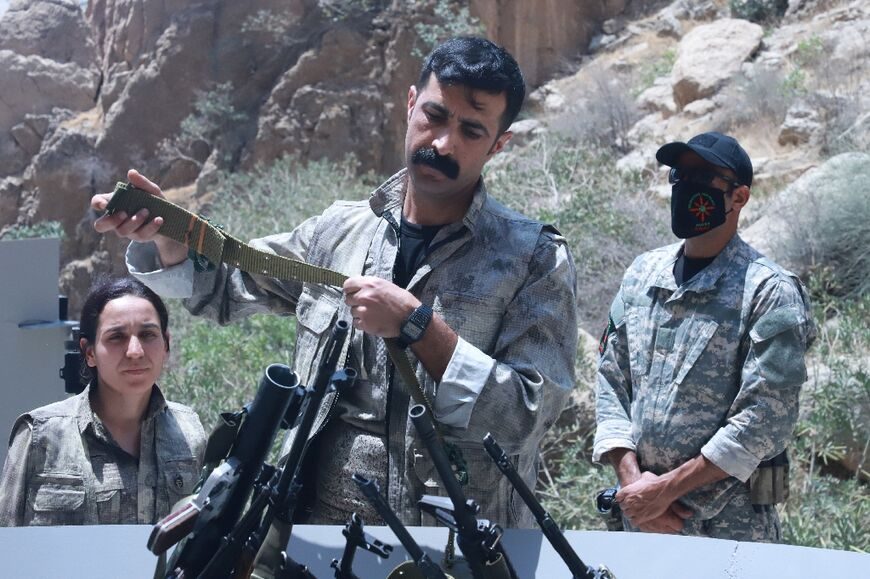
Turkish intelligence is now monitoring 72 PKK camps along the Iraq border, and a government board has set up four working groups to verify disarmament. The peace process with the Kurdistan Workers' Party (PKK) has entered its implementation phase.

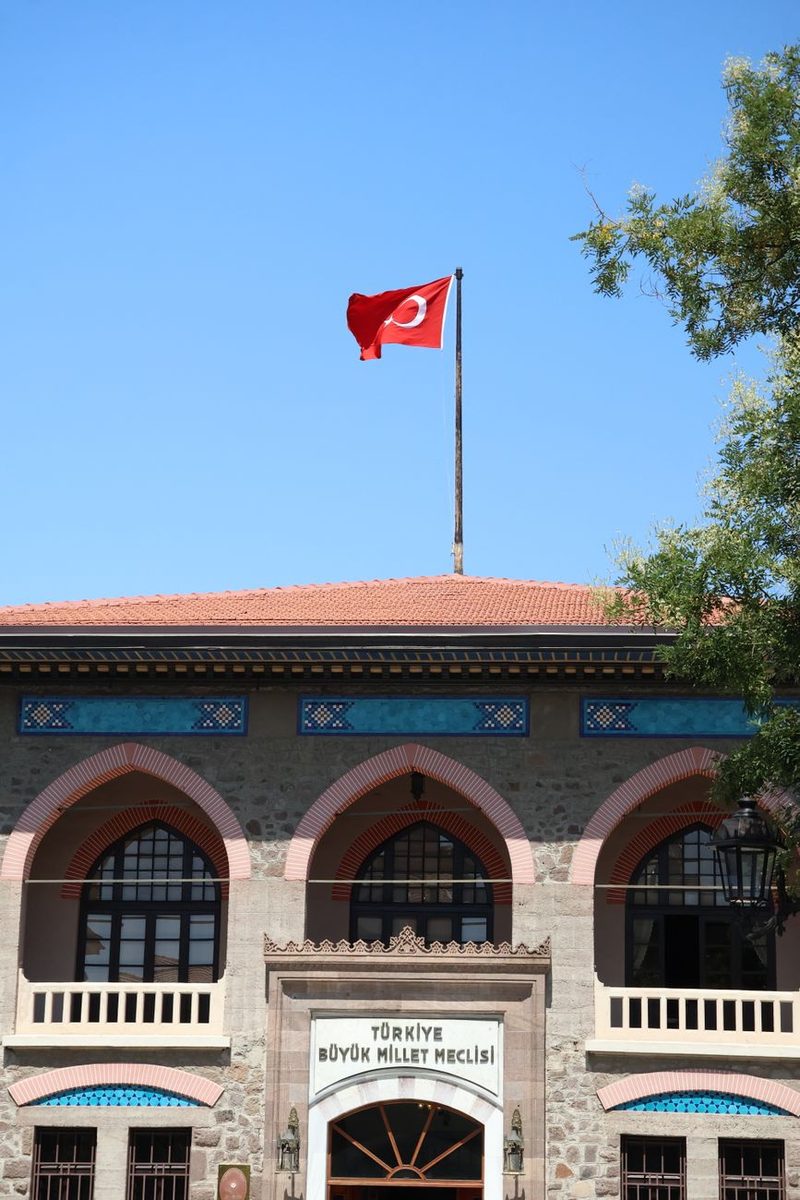
The process rests on a framework law passed in August that offers conditional amnesty to PKK members who surrender weapons. If the National Security Council confirms the PKK has dissolved at its October meeting, thousands of militants could return to Turkey after a conflict that began in 1984.

Why it matters

If verified, this ends Europe's longest armed conflict and lets thousands of PKK members return to Turkey under conditional amnesty.

Questions about this story

Free account needed to ask — your question is kept and asked for you right after sign-up. Answers are public.

No questions yet — be the first to ask.

Key Indicators

72
PKK camps monitored by Turkish intelligence
MIT is tracking camps and caves along the Turkey-Iraq border.
3,800
PKK members expected to surrender weapons
At 18 camps, per the weapons handover plan.
7,000-8,000
PKK members expected to return to Turkey
Mostly from Iraq and Syria, after SDF integration.
5-10 years
Probationary period for amnesty
Sentences suspended for 5-10 years under the framework law.

Voices

Curated perspectives — historical figures and your fellow readers.

Ever wondered what historical figures would say about today's headlines?

Sign up to generate historical perspectives on this story.

People Involved

Organizations Involved

Timeline

August 1984 October 2026

8 events Latest: September 4th, 2026 · 1 week ago
Tap a bar to jump to that date
  1. PKK camps to be evacuated

    Upcoming Deadline

    Camps and caves extending to the Qandil Mountains are to be evacuated, including Metina, Zap, Avasin, Basyan, and Haftanin.

  2. Implementation phase begins

    Latest Implementation

    MIT begins monitoring 72 PKK camps along the Iraq border; weapons handover mechanism activated.

  3. Monitoring Board holds first meeting

    Administrative

    Vice President Yilmaz chairs the first meeting, creating four working groups for legal, monitoring, reintegration, and disarmament.

  4. PKK announces it will disband

    Statement

    The PKK declares it will dissolve itself as part of the ongoing peace talks.

  5. Turkey launches peace talks with PKK

    Diplomacy

    The Turkish government begins peace negotiations with the PKK, calling the initiative 'Terror-Free Turkey.'

  6. PKK launches armed insurgency

    Conflict

    The Kurdistan Workers' Party begins armed struggle against Turkey seeking Kurdish self-rule.

Scenarios

1

NSC confirms PKK dissolved, amnesty applications open

Likely Resolves by Oct 31, 2026

Discussed by: Turkish officials, Al-Monitor, T24

The verification process is planned to complete within two months. If the National Security Council confirms at its October meeting that the PKK and all affiliates have fully dissolved and disarmed, convicted individuals and those under investigation will have six months to apply for amnesty under the framework law. This is the path Turkish officials expect.

2

Verification stalls, process extends into 2027

Possible Resolves by End of 2026

Discussed by: PKK warnings, Jerusalem Post

The PKK has warned the process could stall without political reforms. If verification reveals incomplete disarmament, or if the PKK conditions further weapons surrender on concessions, the October deadline could slip. The previous peace process collapsed in 2015 under similar pressures.

3

Partial disarmament, conditional amnesty

Possible Resolves by Oct 31, 2026

Discussed by: War on the Rocks

The state is both a party to the process and its judge. If some weapons are surrendered but not all, the NSC could issue a conditional finding, granting amnesty only to those who fully comply. The framework law conditions amnesty on the PKK and all affiliated organizations ending their activities and surrendering all weapons.

Historical Context

3 moments from history that rhyme with this story — and how they unfolded.

July 2005

IRA decommissioning (2005)

The Irish Republican Army announced in July 2005 it would surrender all weapons, ending decades of armed conflict in Northern Ireland. Independent monitors verified the decommissioning over several months, with weapons put beyond use under international supervision.

Then

The IRA's weapons were decommissioned under international supervision, enabling power-sharing to hold.

Now

The decommissioning cemented the Good Friday Agreement framework and became a model for ending long-running insurgencies.

Why this matters now

Like the PKK process, IRA disarmament required independent verification and conditional amnesty to end a decades-long armed conflict.

2013-2015

Turkey-PKK peace process (2013-2015)

Turkey and the PKK launched peace talks in 2013, with Abdullah Ocalan calling for a ceasefire from prison. The process collapsed in 2015 after a bombing in Suruc and renewed fighting, killing thousands.

Then

The ceasefire broke down and conflict resumed, with heavy casualties on both sides.

Now

The collapse made both sides more cautious about a new process and deepened public skepticism.

Why this matters now

This is the second major attempt at peace. The previous failure shows what could go wrong if verification or political reforms fall short.

2016-2017

FARC disarmament (2016-2017)

Colombia's government and the FARC rebels signed a peace deal in 2016. The group surrendered over 8,000 weapons to UN monitors and transitioned to a political party.

Then

FARC disarmed and demobilized, with UN verification of weapons surrender.

Now

The deal faced implementation challenges but ended the hemisphere's longest conflict.

Why this matters now

Shows how international verification and conditional amnesty can work in practice, and the challenges that follow disarmament.

Sources

(11)