

Pull to refresh
Logo
SNAP enrollment falls 13% after work rules and cost-sharing take effect

SNAP enrollment falls 13% after work rules and cost-sharing take effect

Rule Changes

Food stamp rolls drop by more than 5 million people in the year since the 2025 reconciliation law

Overview

Updated Oct 27

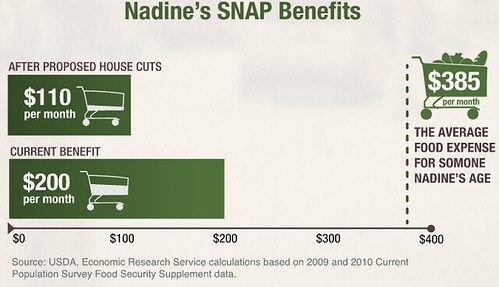
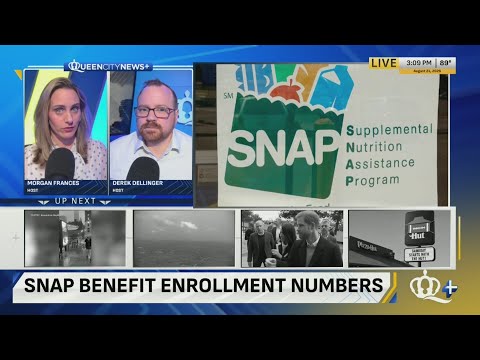
More than five million people lost food stamp benefits in the year after the One Big Beautiful Act took effect in July 2025. USDA data shows enrollment fell from 41.6 million to 36.5 million by June 2026, a 13% drop. State data shows the decline continuing: Texas had 2.8 million enrolled in September 2026, down 20.8% from a year earlier.

The law expanded work requirements, ended eligibility for some immigrants, and moved more administrative and benefit costs onto states. In October 2026, the USDA proposed requiring all states to issue chip-enabled benefit cards to curb card skimming. The proposal has a 60-day comment period before a final rule.

Why it matters

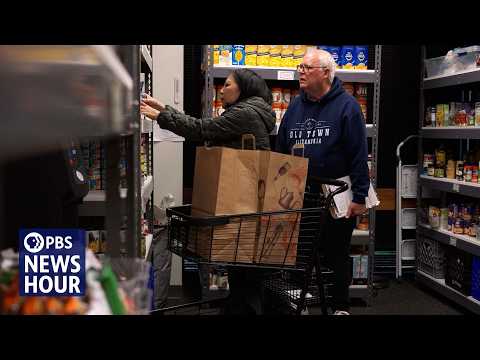
Five million fewer Americans can buy groceries with federal help, and more cuts hit as states adopt stricter rules.

Questions about this story

Free account needed to ask — your question is kept and asked for you right after sign-up. Answers are public.

No questions yet — be the first to ask.

Key Indicators

5.5 million
People removed from SNAP rolls since July 2025
A 13% decline in participation, the steepest since the 1996 welfare overhaul.
36.1 million
Current SNAP participation
The lowest level in 17 years, below the pre-pandemic figure of nearly 37 million in February 2020.
20.8%
Decline in Texas SNAP enrollment, September 2026 vs. September 2025
Texas had 2.8 million enrolled in September 2026, its lowest since August 2009.
4%
National unemployment rate since July 2025
Reported as flat through the decline. This figure is not confirmed in the latest sources.

Voices

Curated perspectives — historical figures and your fellow readers.

Sign up to generate historical perspectives on this story.

People Involved

Organizations Involved

Timeline

July 2025 October 2026

9 events Latest: October 25th, 2026 · 2 weeks ago
Tap a bar to jump to that date
  1. Guardian reports 5 million people pushed off food stamps

    Latest Report

    Stakeholders warn more Americans face food insecurity as enrollment declines outpace economic need.

  2. States take on 75% of SNAP administrative costs

    Policy Change

    The federal share of admin costs drops from 50% to 25%, adding roughly $17 billion in state costs over five years.

  3. USDA proposes chip-enabled SNAP benefit cards

    Policy Change

    The proposed rule would require all states to issue chip-enabled EBT cards and retailers to accept tap-to-pay terminals. The USDA cites card skimming and estimates at least $1.5 billion in stolen benefits prevented over a decade.

  4. Texas SNAP enrollment falls to 2.8 million

    Data

    Texas enrollment was down 20.8% from September 2025, the steepest year-over-year drop in two decades. Only 64% of applications were processed on time, against 91% a year earlier.

  5. Michigan SNAP enrollment falls 12%

    Data

    Michigan lost 167,166 participants, including 56,417 children, between August 2025 and September 2026.

  6. Participation hits 36.1 million, lowest in 17 years

    Data

    Declines registered in every state except Alaska, with 20% or greater drops in eight states.

  7. Enrollment falls to 36.5 million

    Data

    USDA data shows a 13% decline from the July 2025 baseline as restrictions phase in.

  8. One Big Beautiful Act signed into law

    Legislation

    The Republican reconciliation law cuts SNAP funding, expands work requirements, and shifts administrative costs to states.

  9. SNAP enrollment at 41.6 million

    Data

    The pre-law baseline month, before the One Big Beautiful Act's restrictions took effect.

Scenarios

1

SNAP rolls fall below 33 million as cost-shift rules bite

Likely Resolves by Oct 31, 2027

Discussed by: CBPP analysts and state officials

States face financial penalties if error rates stay high, so they add red tape: more frequent income verification, longer processing delays, and stricter documentation. Work requirements extending to adults up to age 65 and parents of children 14 and older take full effect. By October 2027, when states begin paying benefit costs, the caseload drops by another 3 million.

2

Courts or Congress halt key provisions

Possible Resolves by End of 2027

Discussed by: Advocacy groups and legal observers

Legal challenges to the work-requirement expansion or the cost-shift provisions succeed in federal court. Alternatively, a post-midterm Congress with a different balance of power moves to restore SNAP funding or eligibility. Either outcome would slow or reverse the enrollment decline.

3

Decline stalls as state systems adjust

Uncertain Resolves by Oct 31, 2027

Discussed by: USDA and state agency officials

States streamline enrollment to avoid cutting eligible households, and the caseload stabilizes near 36 million with unemployment holding at 4%. Participation declines slow to near zero as the bars already in place take their full effect and no new restrictions are added.

Historical Context

2 moments from history that rhyme with this story — and how they unfolded.

April 1997 – April 1998

1996 welfare reform SNAP decline (1997–1998)

Congress passed the Personal Responsibility and Work Opportunity Reconciliation Act in 1996, which cut food stamp funding and tightened eligibility as part of a broader welfare overhaul. Food stamp participation dropped by 3 million people, a 13% decline, in the 12 months from April 1997 to April 1998.

Then

Millions of families lost food assistance within a year, with reduced access among eligible households and documented increases in food insecurity.

Now

The decline became the benchmark for fast SNAP contraction; participation later surged to record highs during the 2008–2013 Great Recession expansion.

Why this matters now

It is the last comparable drop in SNAP enrollment over a similar time frame — the same 13% decline, now matched in a single year by the 2025 reconciliation law.

2008–2013

SNAP expansion during the Great Recession (2008–2013)

As unemployment spiked, Congress loosened SNAP eligibility rules and boosted benefits, pushing participation to record highs above 47 million people by 2013. The program acted as a countercyclical safety net, expanding precisely when need grew.

Then

Millions of households relied on SNAP during the downturn, and enrollment tracked joblessness closely.

Now

The expansion cemented SNAP's role as the country's largest food assistance program, with enrollment responding to both economic conditions and policy rules.

Why this matters now

The current decline runs opposite to that pattern — participation is falling while unemployment holds steady, a sign that rule changes rather than economic recovery are driving people off the program.

Sources

(10)