


Pull to refresh
Logo
Millions of children lose SNAP benefits, putting free school meals at risk

Millions of children lose SNAP benefits, putting free school meals at risk

Rule Changes

Tighter food assistance rules are cascading into lunchrooms as districts end universal free meal programs

September 3rd, 2026: Reporting documents SNAP-to-lunchroom cascade

Overview

Updated 6 days ago

Miami-Dade, the third-largest school district in the country, stopped serving free breakfast and lunch to all of its 300,000 students this fall. Only 121 of its 500-plus schools still qualify for the federal program that pays for those meals.

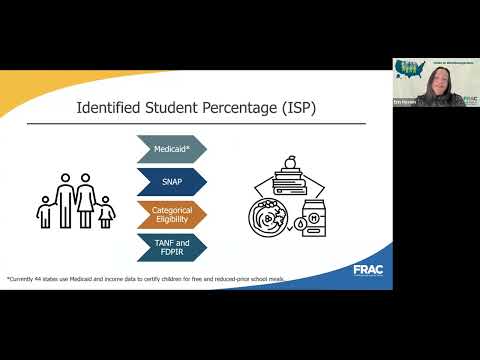
The cause runs through SNAP, the Supplemental Nutrition Assistance Program. SNAP enrollment automatically qualifies children for free school meals, and it determines which schools get federal funding for universal meals. When the One Big Beautiful Bill Act tightened SNAP rules in July 2025, more than a million children lost benefits — and the cuts are now reaching lunchrooms.

Why it matters

Falling SNAP enrollment is ending universal free meals at more schools, pushing meal costs onto families and district budgets already short on cash.

Questions about this story

Free account needed to ask — your question is kept and asked for you right after sign-up. Answers are public.

No questions yet — be the first to ask.

Key Indicators

1M+
Children who lost SNAP benefits since July 2025
Center on Budget and Policy Priorities estimate tied to the One Big Beautiful Bill Act.
776,000
Children dropped from SNAP across 12 states
ProPublica analysis of 1.67 million who lost benefits; 46% were children.
121 of 500+
Miami-Dade schools still qualifying for CEP
Rest of the district's schools require individual income applications for free meals.
49,000+
Public schools operating CEP in 2024-25
Community Eligibility Provision schools serve free meals to all students.
96,000
Children projected to lose school meal benefits
Congressional Budget Office estimate of SNAP cost-sharing effects over 10 years.

Voices

Curated perspectives — historical figures and your fellow readers.

Ever wondered what historical figures would say about today's headlines?

Sign up to generate historical perspectives on this story.

People Involved

Organizations Involved

Timeline

July 2025 October 2026

5 events Latest: September 3rd, 2026 · 1 week ago
Tap a bar to jump to that date
  1. States cover 75% of SNAP administrative costs

    Upcoming Policy

    The federal share drops from 50%, squeezing state budgets that also fund school meals.

  2. Reporting documents SNAP-to-lunchroom cascade

    Latest Report

    National outlets detail how lost SNAP coverage cuts automatic school meal eligibility and CEP funding.

  3. Districts end universal free meal programs

    Decision

    Schools in Miami-Dade, San Antonio, and Houston announce they no longer qualify for CEP funding.

  4. SNAP enrollment declines accelerate

    Data

    Stricter eligibility rules and new administrative demands push families off food assistance.

  5. One Big Beautiful Bill Act signed into law

    Policy

    The budget reconciliation law tightens SNAP work requirements and immigrant eligibility restrictions.

Scenarios

1

More districts end universal free meals as CEP participation falls

Likely Resolves by Q2 2027

Discussed by: School Nutrition Association, Center on Budget and Policy Priorities, Congressional Research Service

As SNAP enrollment keeps falling, the share of students automatically qualified for free meals drops below the 25% threshold at more schools. Districts then choose between paying for universal meals from stretched budgets or ending them and processing individual income applications. The full effect will take years because CEP eligibility runs on four-year cycles tied to the April 1 enrollment snapshot.

2

Congress eases SNAP work requirements

Possible Resolves by Jan 3, 2027

Discussed by: Congressional Research Service, budget analysts

A legislative effort to reverse part of the One Big Beautiful Bill Act could restore SNAP coverage and, in turn, automatic school meal eligibility. The outcome depends on the political makeup of the next Congress and pressure from state cost-sharing. CBO projects the SNAP changes save $170 million over ten years, a small enough sum that reversal is plausible.

3

States fund universal school meals on their own

Uncertain Resolves by Q2 2027

Discussed by: Urban Institute, state budget offices

California and Maine already pay for universal meals with state funds. If SNAP-driven federal funding drops further, more states face a choice: absorb the cost or let districts end free meals. State budget pressure from SNAP administrative cost-sharing, which rises to 75% in October 2026, makes new state meal funding harder.

Historical Context

3 moments from history that rhyme with this story — and how they unfolded.

August 1996

Welfare reform law tightens food stamp eligibility (1996)

The Personal Responsibility and Work Opportunity Reconciliation Act restricted food stamp eligibility for immigrants and childless adults.

Then

Food stamp enrollment fell sharply; many eligible families never re-enrolled because of paperwork and stigma.

Now

Eligibility restrictions had lasting effects on programs that used food stamp data for automatic enrollment.

Why this matters now

It's the precedent for how tightening one program quietly reduces participation in the linked programs that depend on its rolls.

2021

California and Maine adopt universal school meals (2021-2022)

California and Maine became the first states to fund free breakfast and lunch for all students with state money, independent of federal income tests.

Then

Both states removed the stigma and paperwork barriers that kept low-income students from eating.

Now

They created a state-level model for universal meals that could absorb federal funding cuts.

Why this matters now

Shows the counter-move available to states if SNAP-driven federal funding keeps falling.

June 2023

COVID-era free meal waiver ends (2023)

Federal pandemic waivers had let every US student eat free through the 2022-23 school year. When they expired, districts suddenly had to recheck income eligibility for millions of children.

Then

Districts reported meal debt as high as $1.7 million as families who never filed paperwork saw charges reappear.

Now

The episode showed how quickly universal meal programs unravel when the eligibility mechanism beneath them shifts.

Why this matters now

The current SNAP-driven cuts recreate the same financial shock, but through a slower, less visible channel.

Sources

(9)