

Pull to refresh
Logo
New York boosts SNAP produce subsidy 40% at greenmarkets

New York boosts SNAP produce subsidy 40% at greenmarkets

Rule Changes New York, NY local

Daily produce match rises to $14 in January, with nearly $2.3 million in coupons expected in 2027 as federal work rules squeeze SNAP

Overview

Updated Nov 2

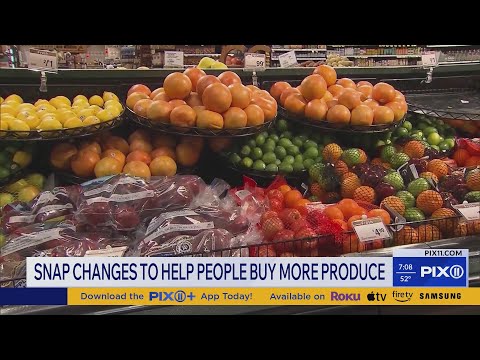
New York City will raise the Health Bucks cap for SNAP recipients from $10 to $14 a day in January 2027, a 40% increase. The program gives $2 in coupons for every $2 of SNAP money spent on produce at more than 100 farmers markets and farm stands.

The city expects to hand out nearly $2.3 million in Health Bucks next year, backed by $5.7 million in new federal Gus Schumacher Nutrition Incentive Program grants. A city Health Department report in October 2026 found about 2.6 million adults, or 40%, were at risk of food insecurity in 2024, up from 2.2 million. The city also opened an online hub to help residents keep SNAP and Medicaid coverage under new federal work rules.

Why it matters

SNAP households get 40% more for produce at city greenmarkets, while federal work rules keep cutting who can use it.

Last Monday's email for New York, NY

Sent Nov 9. It carried:

Get next Monday's: one short email a week. Free. Unsubscribe in one click.

Questions about this story

Free account needed to ask — your question is kept and asked for you right after sign-up. Answers are public.

No questions yet — be the first to ask.

Key Indicators

40%
Health Bucks increase for SNAP recipients
Daily cap rises from $10 to $14 starting January 2027.
$2.3M
Health Bucks expected to go out in 2027
City estimate for coupons distributed to SNAP recipients next year.
$5.7M
New federal GusNIP grant funding
Gus Schumacher Nutrition Incentive Program money backing the expansion.
2.6M
NYC adults at risk of food insecurity, 2024
About 40% of adults, up from 2.2 million, per a city Health Department report.
26,500
New Yorkers who lost SNAP under new work rules
Mostly young men without children, per the Department of Social Services.
220,000+
SNAP recipients who kept benefits with city help
City outreach cut projected benefit losses by 65%.
98%
Eligible SNAP recipients who maintained benefits
Share of eligible households that kept food assistance.

Voices

Curated perspectives — historical figures and your fellow readers.

Sign up to generate historical perspectives on this story.

People Involved

Organizations Involved

Timeline

March 2026 October 2026

6 events Latest: October 29th, 2026 · 1 week ago
Tap a bar to jump to that date
  1. Mayor announces 40% Health Bucks increase

    Latest Policy

    Mayor Zohran Mamdani said the daily Health Bucks cap will rise from $10 to $14 in January 2027, a 40% increase for SNAP recipients at more than 100 farmers markets and farm stands.

  2. SNAP reapplication window opens

    Policy

    New Yorkers who lost benefits under the work rules become eligible to reapply.

  3. Mayor launches re-enrollment campaign

    Announcement

    Mamdani announces citywide outreach to help the 26,500 who lost SNAP get benefits back.

  4. City launches SNAP and Medicaid resource hub

    Announcement

    The mayor's office published an online guide to the new federal work requirements, exemptions and re-enrollment, with links to NYC Care and food assistance for people who lost coverage.

  5. Three-strike policy cuts first benefits

    Policy

    Recipients begin losing SNAP after three months of work-requirement noncompliance.

  6. Federal work requirements take effect

    Policy

    Expanded SNAP work rules from the 2025 federal budget law begin, threatening benefits for able-bodied adults without dependents.

Scenarios

1

Health Bucks 40% boost lands for the 2027 market season

Likely Resolves by May 31, 2027

Discussed by: Gothamist, NYC food-access advocates

The city agency formalizes the expanded benefit in official program materials before the 2027 greenmarket season, raising the match rate or cap by the announced 40%. SNAP recipients then redeem more produce coupons at GrowNYC markets.

2

Federal work rules keep shrinking the program's reach

Possible Resolves by Q2 2027

Discussed by: DSS Commissioner Erin Dalton, city budget watchdogs

Reapplication only partially restores SNAP rolls. The three-strike policy keeps shedding recipients, so fewer households can use the expanded Health Bucks, muting the subsidy's impact even as the per-person benefit grows.

3

City doubles down with a further expansion

Unlikely Resolves by Q2 2027

Discussed by: Food-policy analysts

Riding the success of the outreach and produce incentive, the mayor's FY2028 budget raises Health Bucks above the 40% increase or makes the program permanent, signaling a broader commitment to food access.

Historical Context

2 moments from history that rhyme with this story — and how they unfolded.

2009

Double Up Food Bucks, Michigan (2009)

The Fair Food Network launched a program at Detroit's Eastern Market matching SNAP dollars dollar-for-dollar, up to $20 per day, for fruit and vegetable purchases. Shoppers spent their SNAP benefits and received free produce coupons on the spot.

Then

Produce sales at participating Michigan markets climbed sharply, and shoppers reported eating more vegetables.

Now

It became a national model for SNAP produce incentives, replicated in dozens of states.

Why this matters now

New York's Health Bucks expansion uses the same mechanism — coupon incentives for produce at farmers markets — at a smaller 40% match.

2019

Gus Schumacher Nutrition Incentive Program (2019)

The 2018 Farm Bill created the Gus Schumacher Nutrition Incentive Program, a federal fund that pays for produce-incentive projects at markets, grocery stores, and community-supported agriculture programs.

Then

Federal grants flowed to incentive programs nationwide, including support for farmers-market matches.

Now

GusNIP institutionalized the idea that linking SNAP to produce purchases improves diets.

Why this matters now

Federal GusNIP money can help fund city programs like Health Bucks, making the 40% expansion possible even as other federal rules cut SNAP rolls.

Sources

(6)