
Pull to refresh
Logo
B.C. Conservatives win majority government for first time since 1928

B.C. Conservatives win majority government for first time since 1928

Rule Changes

Premier-designate Lorne Doerkson targets a $14-billion deficit and a West Coast pipeline as the NDP admits its early-election gamble was a mistake

Overview

Updated Oct 26

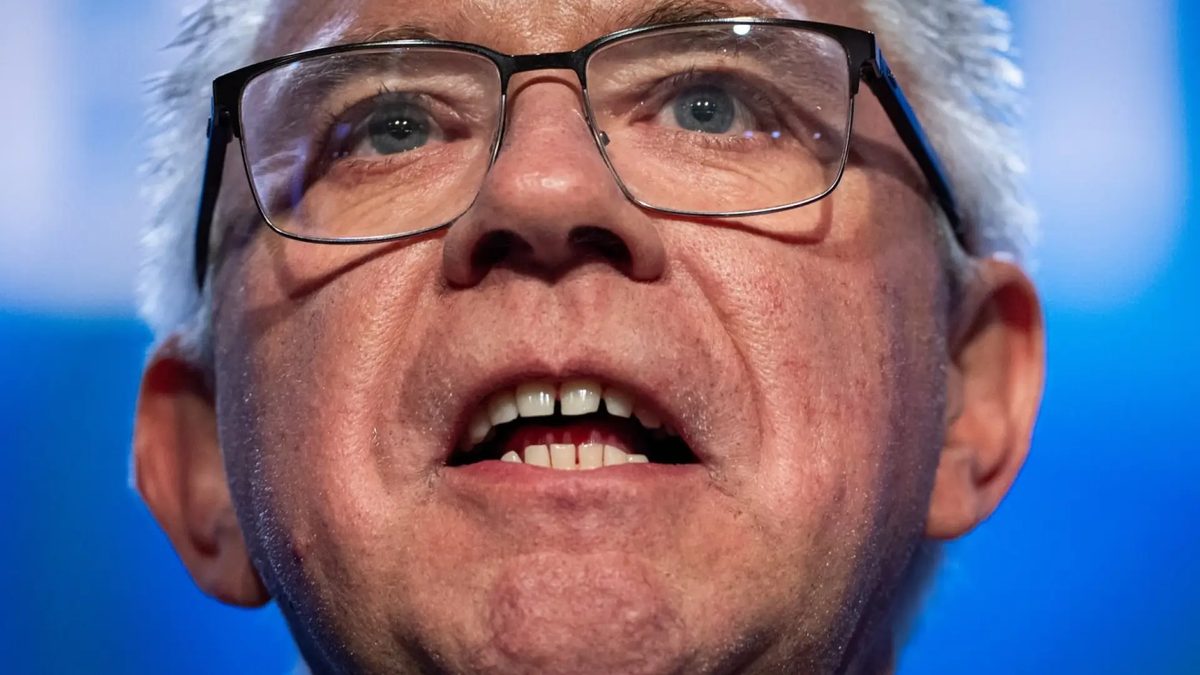
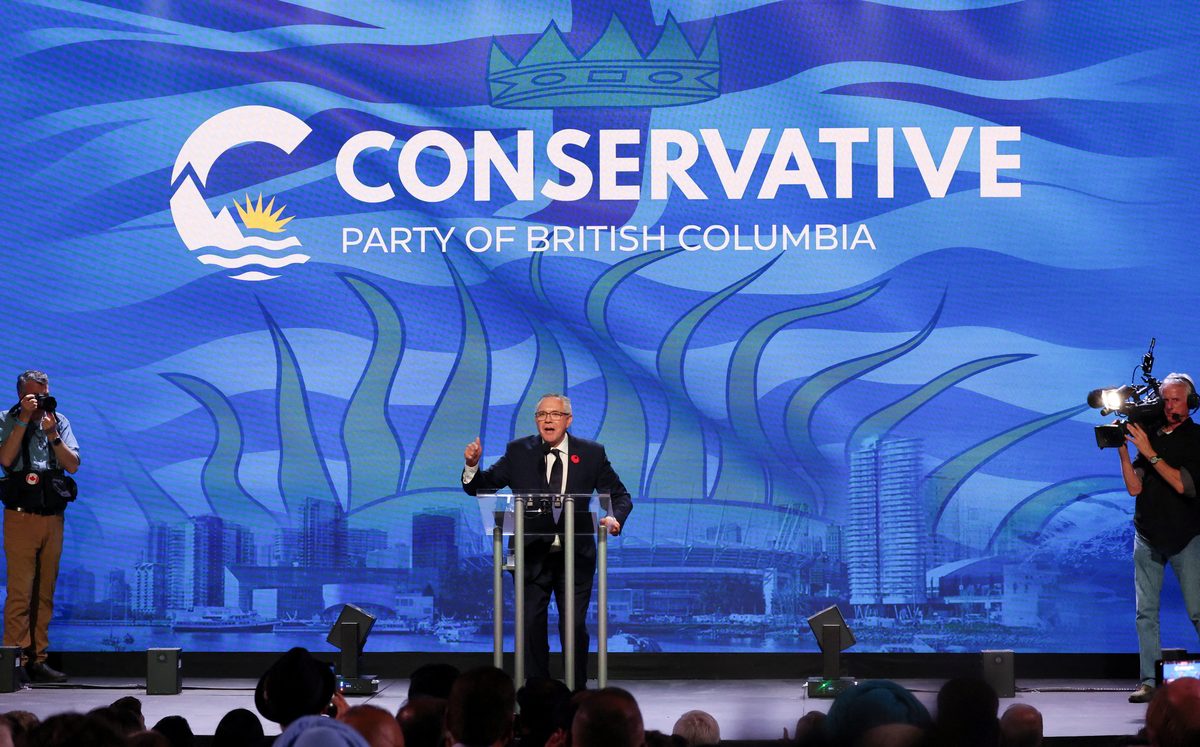
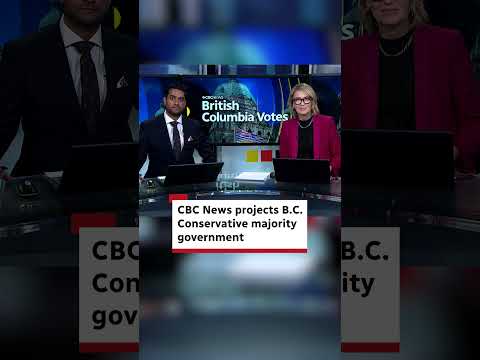
British Columbia's Conservatives won a majority government on Oct. 24, their first since 1928, taking 64 of 93 legislature seats and ending nine years of New Democratic Party rule. Premier-designate Lorne Doerkson said the next day that an independent review of provincial finances would begin soon after he is sworn in, pointing to a record $14-billion deficit.

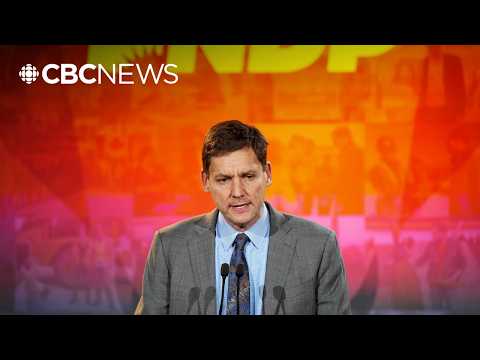
Doerkson also said he would work with Alberta and Prime Minister Mark Carney to jump-start the planned oil pipeline to the West Coast, and promised an expert commission on emergency-room waits. Re-elected NDP cabinet ministers Adrian Dix and Mike Farnworth said publicly that David Eby's decision to call the election two years early had been a mistake. Eby resigned as leader on election night.

Why it matters

A Conservative government in Victoria plans to repeal Indigenous-rights law and triple gas exports, starting with a $14-billion deficit to close.

Questions about this story

Free account needed to ask — your question is kept and asked for you right after sign-up. Answers are public.

No questions yet — be the first to ask.

Key Indicators

64
Conservative seats in the 93-seat legislature
A majority needs 47 seats. CBC News and The Globe and Mail reported 64 Conservatives, 27 New Democrats and two Greens with about 99% of polls reporting.
47
Seats needed for a majority
The threshold the Conservatives cleared by a wide margin.
27
NDP seats
Down from the 47 seats the party won in the 2024 election.
48.05%
Conservative share of the popular vote
With 99.93% of polls reporting, the NDP trailed at 37.4% and the Greens at 11%.
$14-billion
Projected provincial deficit
Doerkson cited the record deficit as the reason for an independent review of the province's books.
1928
Last year a Conservative majority governed B.C.
Right-leaning parties since then governed under Liberal or Social Credit banners.

Voices

Curated perspectives — historical figures and your fellow readers.

Sign up to generate historical perspectives on this story.

People Involved

Organizations Involved

Timeline

2020 October 2026

9 events Latest: October 25th, 2026 · 2 weeks ago
Tap a bar to jump to that date
  1. Doerkson sets out his first priorities

    Latest Government

    At a Vancouver news conference, the premier-designate said an independent review of provincial finances would start soon after he is sworn in, citing a record $14-billion deficit. He also promised an expert commission on emergency-room waits and said he would work with Alberta and Prime Minister Mark Carney to jump-start the planned West Coast pipeline.

  2. Conservatives win a majority; Eby resigns

    Election

    The party's first majority since 1928. Eby concedes and quits as NDP leader.

  3. NDP minister calls the early election a mistake

    Politics

    Re-elected cabinet minister Adrian Dix told reporters the result was one of the most disappointing nights in the modern history of the BC NDP, and that calling the vote was a mistake.

  4. Eby calls a snap election

    Election

    The premier triggers a vote nearly two years early, hoping to expand his majority.

  5. Doerkson named interim leader

    Leadership

    The party installs the low-profile MLA as interim leader the day after Findlay's exit.

  6. Findlay resigns as Conservative leader

    Leadership

    After months of scandals, Findlay steps down the Sunday before the election call.

  7. Findlay's leadership unravels

    Leadership

    Kerry-Lynne Findlay leads the party for 113 days; 13 MLAs leave or are expelled.

  8. NDP wins a narrow majority

    Election

    The NDP takes 47 seats, the Conservatives 44, the Greens 2 — a one-seat government.

  9. Doerkson enters the legislature

    Election

    Lorne Doerkson first elected for the riding of Cariboo—Chilcotin.

Scenarios

1

Doerkson stays on as permanent leader and premier

Likely Resolves by Q3 2027

Discussed by: CBC News and The Narwhal

Party rules bar an interim leader from standing for the permanent job. The Conservative board has promised to change the rules if he won, and a two-thirds vote of members at a general meeting would do it. If members refuse, Doerkson remains premier but triggers a leadership race.

2

NDP picks a new leader to rebuild

Likely Resolves by Q2 2027

Discussed by: CBC News and The Canadian Press

Eby's resignation leaves the NDP to choose a successor from its caucus of 27. No front-runner has emerged and the party has set no date for a leadership vote. The new leader will lead the opposition toward the next scheduled election.

3

Doerkson government repeals DRIPA and expands LNG

Likely Resolves by Q1 2028

Discussed by: CBC News, The Narwhal, Reuters

With 64 seats, the government can pass its platform: repealing the province's Indigenous-rights act, ending the SOGI 123 school resource, and tripling liquefied natural gas output by 2035. Friction between the party's social-conservative and fiscal-conservative wings could slow parts of the agenda or force compromise.

Historical Context

2 moments from history that rhyme with this story — and how they unfolded.

1928

B.C.'s last Conservative majority (1928)

In 1928, B.C. voters elected a Conservative majority government — the last time a party under the Conservative banner held power in Victoria until 2026. For the next nine decades, right-leaning governments governed under Liberal or Social Credit names instead.

Then

The Conservative government lost power at the next election, beginning a near-century gap in Conservative rule.

Now

No party running as Conservative formed a B.C. government from 1928 until the 2026 win.

Why this matters now

Sets the scale of Saturday's result: it has been 98 years since Conservative was the governing party in British Columbia.

April–June 2017

Theresa May's snap election backfire (2017)

UK Prime Minister Theresa May called a snap election three years early, seeking a larger Conservative majority to strengthen her Brexit hand. Voters instead stripped her party of its outright majority.

Then

May had to form a minority government with external support and resigned as party leader two years later.

Now

The episode became a standard case study in the risks of early elections called for strategic advantage.

Why this matters now

Eby's defeat follows the same pattern: a leader calling an early vote for a bigger majority, punished by voters who read the move as opportunism.

Sources

(16)