


Abu Ghraib and Taji Prison Breaks (2013)
ISIS's predecessor group, the Islamic State of Iraq, executed simultaneous assaults on Abu Ghraib and Taji prisons using 12 car bombs and coordinated ground attacks. At least 500 prisoners escaped, including senior al-Qaeda operatives with death sentences. The operation was the culmination of ISIS leader Abu Bakr al-Baghdadi's year-long 'Breaking the Walls' campaign targeting Iraqi detention facilities.
Hundreds of experienced operatives rejoined ISIS ranks. The organization announced the breakout as a major victory.
The freed fighters formed the core of ISIS's 2014 offensive that captured Mosul and declared the caliphate. Counter-terrorism analysts cite the prison breaks as a critical inflection point in ISIS's transformation from insurgency to territorial state.
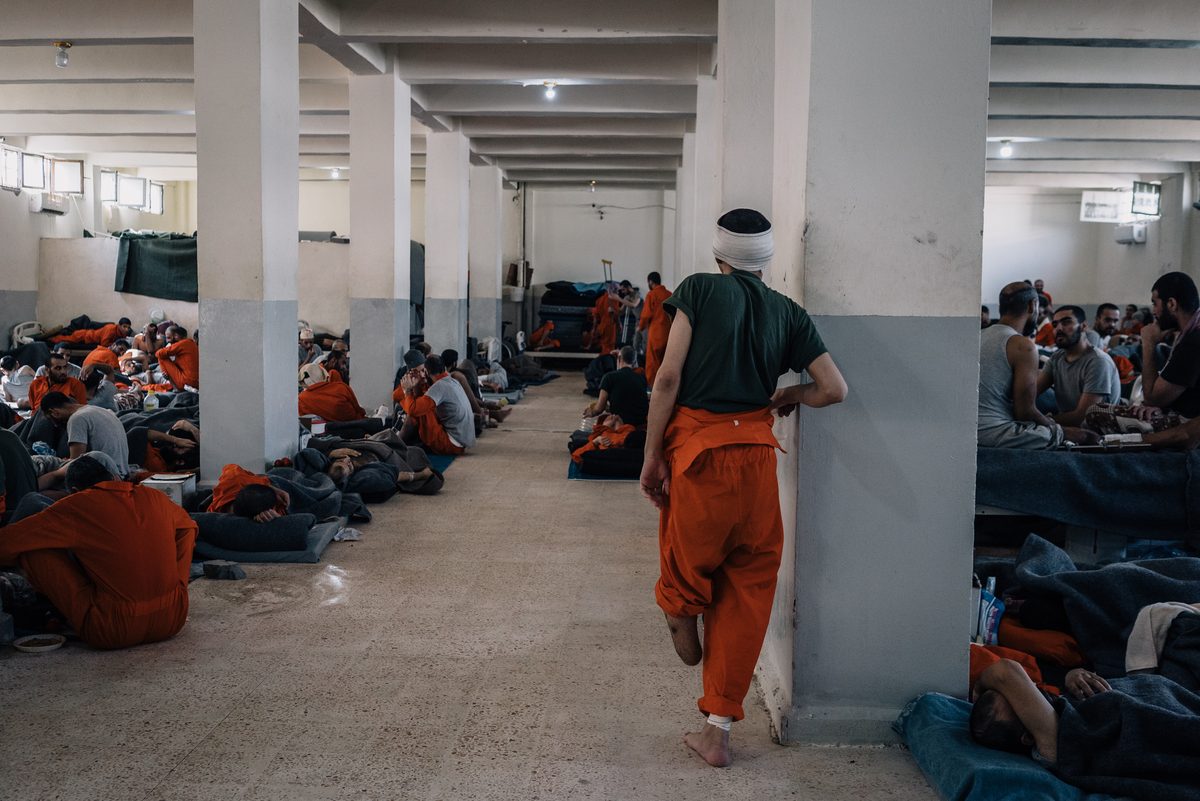
Syria now holds more ISIS fighters than Iraq did in 2013. If handover chaos enables mass escapes, the detained 'ISIS army' could reconstitute—this time with fighters who have spent six years in radicalization-prone conditions.