
Pull to refresh
Logo
Folegandros island joins Greece's mainland power grid via subsea cable

Folegandros island joins Greece's mainland power grid via subsea cable

Built World

60-kilometer cable ends the island's energy isolation, with Santorini due next in November and Milos and Serifos by early 2027

Overview

Updated Oct 26

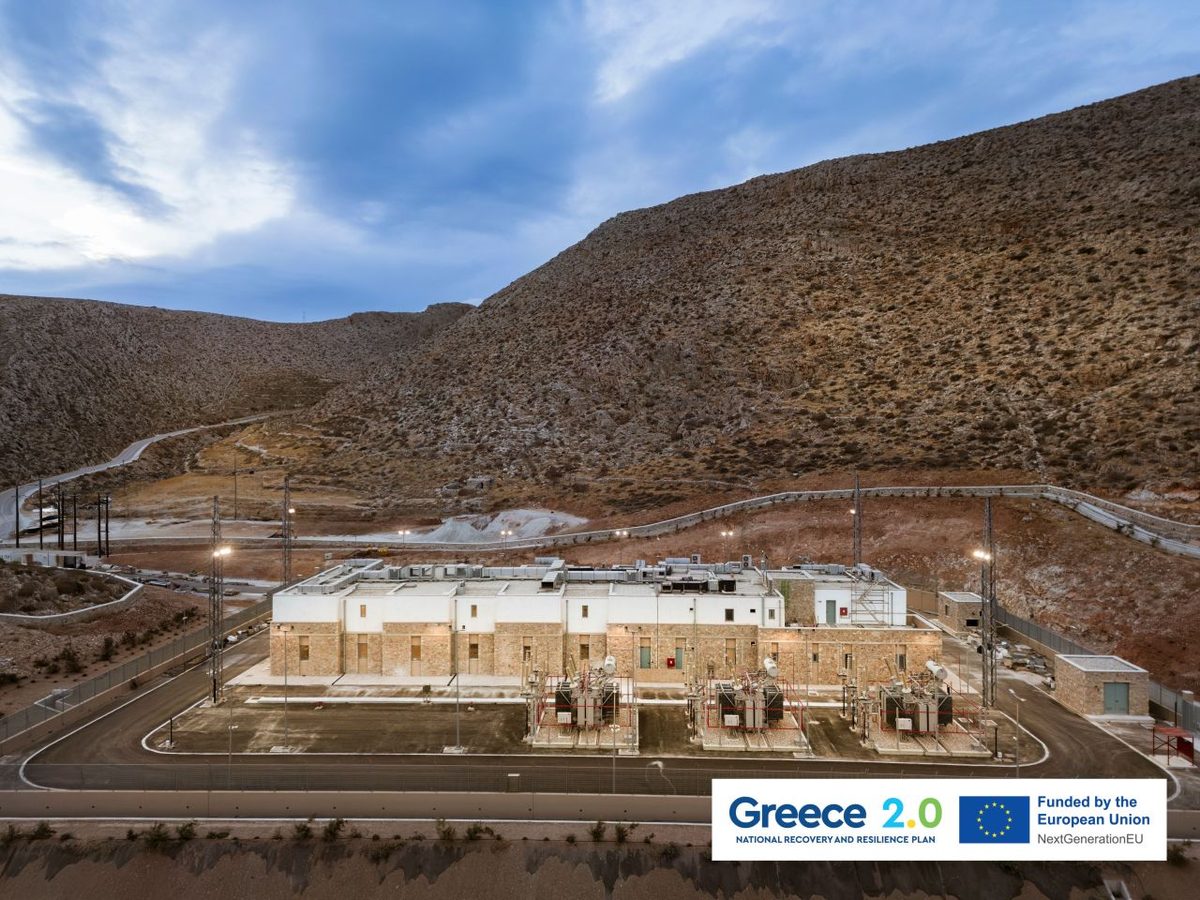
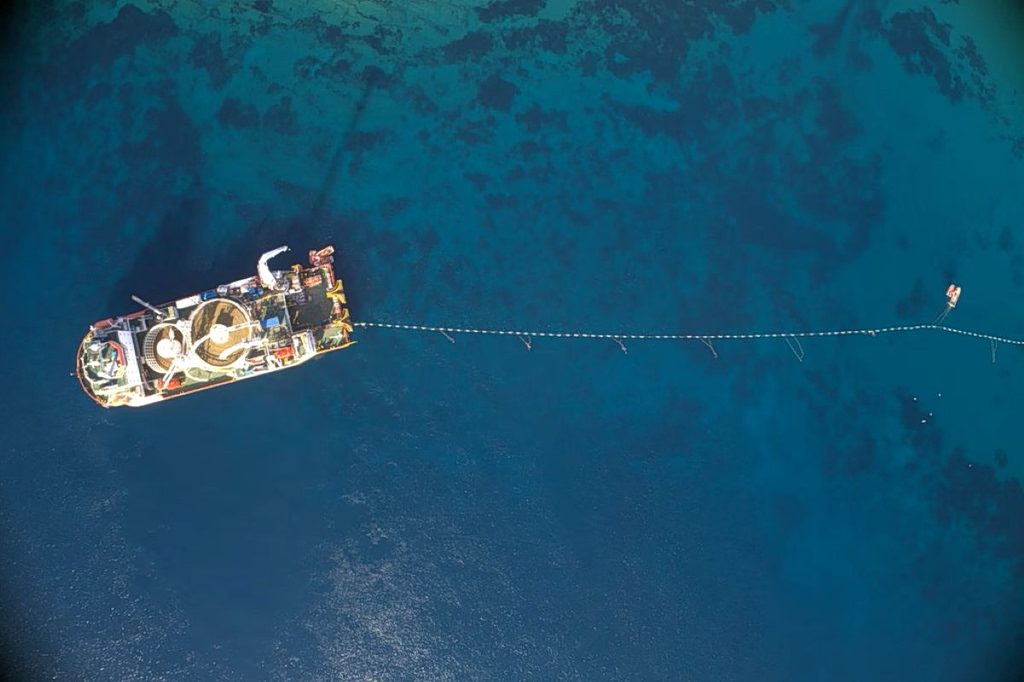
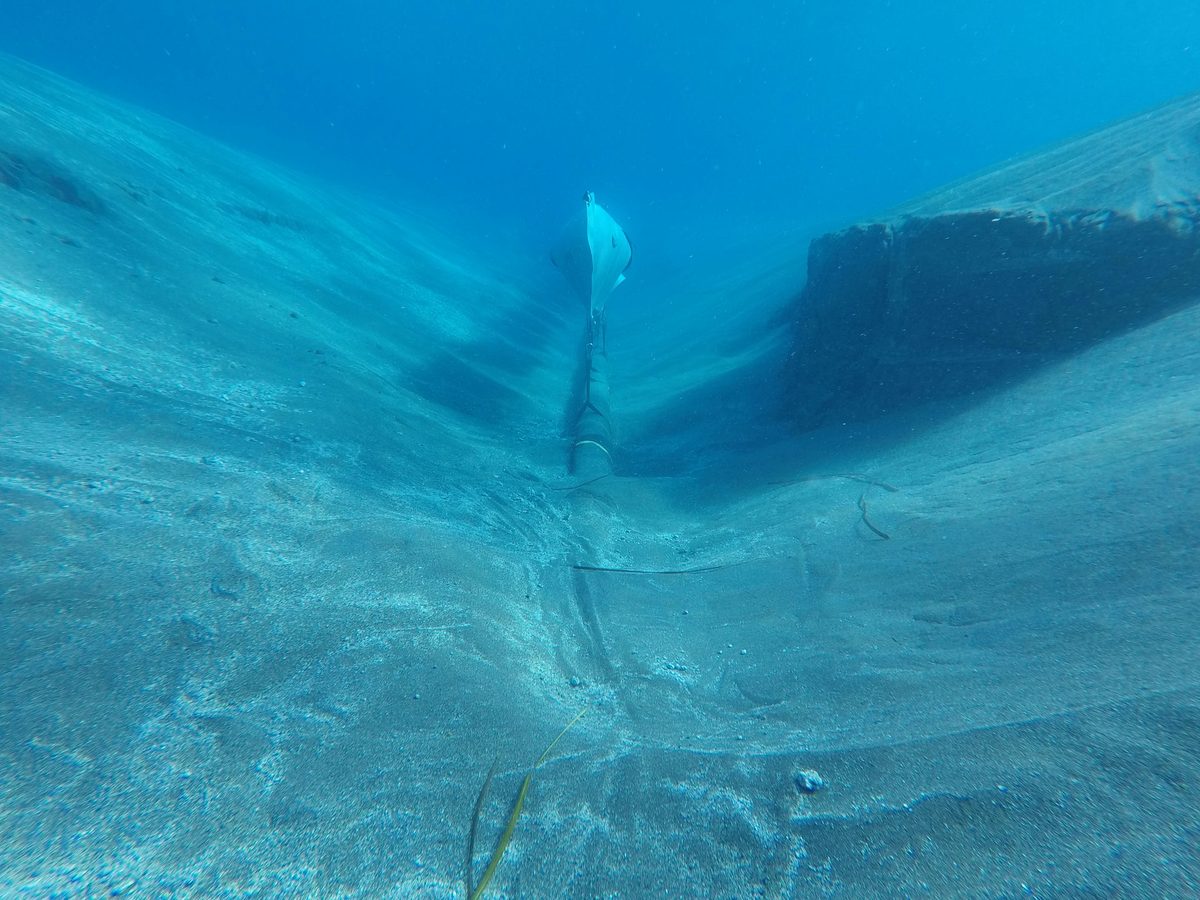
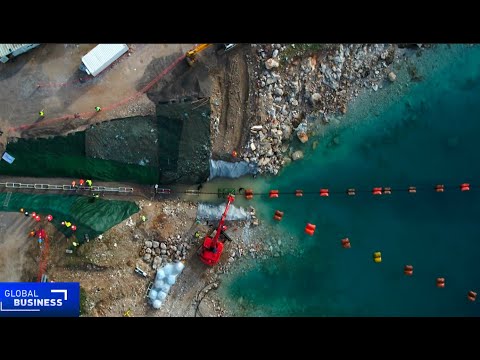
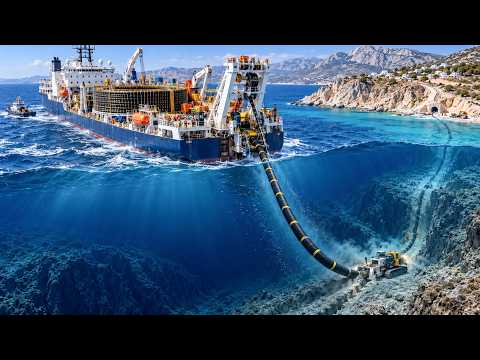
Folegandros now draws its electricity from Greece's mainland grid through a 60-kilometer undersea cable to Santorini and Naxos, ending decades of reliance on local diesel generators. It is the first island in the project's final phase to be switched over.

Santorini is due to follow in November, with Milos and Serifos after that and the whole project finished by early 2027, according to the schedule reported by Greek media. The €385.7 million phase includes 294 kilometers of undersea and underground cables and four digital substations. IPTO estimates the Cyclades and Crete links together will cut the public service obligation charged to consumers by about €550 million a year on average from 2026 to 2030.

Why it matters

Folegandros gets steady power instead of diesel, and IPTO expects the island-power levy on the first 500 kWh of household bills to halve in 2027.

Questions about this story

Free account needed to ask — your question is kept and asked for you right after sign-up. Answers are public.

No questions yet — be the first to ask.

Key Indicators

€385.7M
Southern Cyclades project budget
Total budget for the fourth and final phase of the Cyclades interconnection program.
60 km
Folegandros subsea cable length
Length of the high-voltage cable connecting Folegandros to Santorini and Naxos.
294 km
Total cable length
Combined submarine and underground cables in the Southern Cyclades project.
150 kV
Cable voltage
High-voltage alternating current cable with integrated optical fibers.
150,000 tons
Estimated annual CO2 reduction
Projected emissions reduction across the Cyclades from retiring diesel power plants, according to the Greek energy press.
730 MW
Renewable energy development space
Grid headroom that the interconnection is expected to open for new renewable energy projects on the islands.
€550M
Annual savings on island power charges
IPTO's average estimate for 2026-2030 from the Cyclades and Crete interconnections combined, passed to consumers through lower public service obligation charges.

Voices

Curated perspectives — historical figures and your fellow readers.

Sign up to generate historical perspectives on this story.

People Involved

Organizations Involved

Timeline

June 2026 October 2026

3 events Latest: October 21st, 2026 · 3 weeks ago
  1. Schedule reported for remaining Cyclades islands

    Latest Infrastructure

    Greek media reported IPTO's timetable: Santorini fully connected in November, then Milos and Serifos, with the phase complete by early 2027.

  2. Folegandros connected to mainland power grid

    Infrastructure

    IPTO said the 60-kilometer subsea cable linking Folegandros to Santorini and Naxos had been energized, putting the island on Greece's mainland high-voltage grid.

  3. Southern Cyclades interconnection construction completed

    Infrastructure

    IPTO completed construction of the Southern Cyclades interconnection, connecting Santorini, Folegandros, Milos, and Serifos to the mainland grid via Attica.

Scenarios

1

Southern Cyclades fully energized by mid-2027

Likely Resolves by Q2 2027

Discussed by: IPTO announcements

IPTO has said the energization of Santorini, Milos, and Serifos will follow "in the coming period." If the remaining islands are connected without major delays, the full Southern Cyclades project will be operational, completing the integration of the Cyclades into the mainland grid.

2

Diesel plants retired across the Cyclades

Likely Resolves by End of 2027

Discussed by: Greek Ministry of Environment and Energy

The interconnection is designed to allow the phase-out of polluting diesel power plants on the interconnected islands. If the grid connection proves reliable, the old plants will be decommissioned, cutting CO2 emissions by about 150,000 tons annually across the Cyclades.

3

Renewable energy development accelerates on the Cyclades

Possible Resolves by End of 2028

Discussed by: IPTO, Greek energy analysts

The interconnection frees up grid capacity for renewable energy projects. IPTO estimates the electrical space for renewable energy development will reach up to 730 MW across the Cyclades. If developers move quickly, the islands could see a wave of solar and wind projects in the coming years.

Historical Context

2 moments from history that rhyme with this story — and how they unfolded.

2018-2024

Earlier Cyclades interconnection phases (2018-2024)

The Cyclades interconnection program has been rolling out in phases. Earlier phases connected the northern and central Cyclades islands, including Mykonos, Paros, and Naxos, to the mainland grid through a series of subsea cables and new substations.

Then

Each phase followed the same pattern: subsea cables, new substations, and gradual retirement of local diesel generation.

Now

The program established a proven template for island grid integration that Phase 4 is now completing.

Why this matters now

The Southern Cyclades project is the final phase of this program, applying the same approach to the remaining islands.

Ongoing

Crete-Attica interconnection (ongoing)

Greece is also building a major subsea interconnection to connect Crete, the country's largest island, to the mainland grid. The project involves long-distance, deep-water cable laying and is one of the most technically challenging grid projects in the Mediterranean.

Then

The project is expected to end Crete's reliance on local oil-fired power plants.

Now

It demonstrates Greece's broader strategy of integrating all major islands into the national grid.

Why this matters now

The Southern Cyclades project shares the same technical approach and strategic goal as the Crete interconnection.

Sources

(13)