

Pull to refresh
Logo
SoftBank prices record ¥1 trillion retail bond at 4.75% coupon

SoftBank prices record ¥1 trillion retail bond at 4.75% coupon

Money Moves

Seven-year note pays more than double the average Japanese retail corporate coupon as SoftBank funds its ABB robotics acquisition, refinances debt, and weighs a dollar-euro bond sale for OpenAI.

5 days ago: Retail offering period opens

Overview

Updated 7 days ago

SoftBank Group priced a ¥1 trillion (about $6.3 billion) retail bond on September 4, the largest ever sold in Japan. The seven-year note carries a 4.75% annual coupon, more than double the 2.3% average on yen retail corporate bonds issued in the country this year.

The proceeds refinance maturing domestic bonds and help pay for SoftBank's $5.375 billion purchase of Swiss industrial group ABB's robotics business. The coupon is the cost of borrowing ¥1 trillion from Japanese households for a company rated one notch below investment grade. Separately, Bloomberg reported that SoftBank discussed a $10-20 billion dollar and euro bond sale to refinance a $40 billion bridge loan tied to its OpenAI investment.

Why it matters

SoftBank is borrowing ¥1 trillion from households at double the market coupon — a new benchmark for every Japanese company and saver.

Questions about this story

Free account needed to ask — your question is kept and asked for you right after sign-up. Answers are public.

No questions yet — be the first to ask.

Key Indicators

¥1 trillion (US$6.3 billion)
Total bond issuance
Record retail bond ever sold in Japan; offering period runs September 7-16, 2026.
4.75%
Annual coupon
Highest coupon on SoftBank Group straight bonds in 17 years, per Nikkei.
2.3%
2026 average coupon on Japan retail corporate bonds
Bloomberg-compiled average for yen-denominated retail corporate bonds sold in Japan this year.
US$5.375 billion
ABB robotics acquisition price
Sale agreement signed October 2025; closing expected mid-to-late 2026 pending approvals.
US$64.6 billion
Expected cumulative OpenAI investment
SoftBank's expected total investment in OpenAI once its planned follow-on closes, for about 13% ownership. The third $10 billion tranche is due October 1, 2026.
US$40 billion
OpenAI bridge loan
SoftBank discussed a $10-20 billion dollar and euro bond sale to help refinance this bridge loan, Bloomberg reported in late August.

Voices

Curated perspectives — historical figures and your fellow readers.

Ever wondered what historical figures would say about today's headlines?

Sign up to generate historical perspectives on this story.

People Involved

Organizations Involved

Timeline

October 2025 September 2026

9 events Latest: 5 days ago
Tap a bar to jump to that date
  1. Bond issue date

    Upcoming Funding

    Funds to refinance domestic debt and partly fund the ABB robotics acquisition.

  2. Retail offering period opens

    Latest Funding

    Individual investors can subscribe to the ¥1 trillion bond from September 7 to September 16, 2026.

  3. SoftBank sets 4.75% coupon on ¥1 trillion bond

    Pricing

    Prices the seven-year retail bond at 4.75%, near the top of the announced range and double the market average.

  4. SoftBank announces ¥1 trillion bond plan

    Announcement

    Reveals a record retail bond with an indicative coupon range of 4.3% to 4.9%.

  5. Bloomberg reports possible dollar and euro bond sale

    Funding

    SoftBank discussed a $10-20 billion dollar and euro bond sale to help refinance a $40 billion bridge loan tied to its OpenAI investment, Bloomberg reported.

  6. S&P revises SoftBank outlook to stable

    Rating

    S&P affirms BB+ rating and shifts outlook from negative to stable on improved financial ratios.

  7. SoftBank raises ¥260 billion more

    Funding

    Second retail bond sale of the year.

  8. SoftBank raises ¥418 billion in retail bonds

    Funding

    First retail bond sale of the year, per The Japan Times.

  9. ABB and SoftBank agree robotics sale

    Deal

    ABB and SoftBank sign a $5.375 billion agreement for SoftBank to buy ABB's robotics business.

Scenarios

1

SoftBank closes ABB robotics purchase on schedule

Likely Resolves by End of 2026

Discussed by: Startup Fortune and company guidance

SoftBank and ABB signed a $5.375 billion agreement in October 2025 and target closing in mid-to-late 2026, subject to regulatory approvals. Completion would put roughly 7,000 employees and $2.3 billion of annual revenue under SoftBank, and spend the bond proceeds officially earmarked for the deal.

2

More retail debt with OpenAI named in proceeds

Possible Resolves by Q2 2027

Discussed by: The Japan Times, FourWeekMBA

August coverage framed the sale as funding SoftBank's OpenAI commitments, which exceed $60 billion, and AI data centers. The official filing names only domestic bond redemption and the ABB acquisition. If capital needs persist, SoftBank's 2026 cadence suggests it returns to the retail market — and the stated use of proceeds could name AI directly.

3

Retail demand falls short of the ¥1 trillion target

Unlikely Resolves by Oct 31, 2026

Discussed by: Market commentary; Nomura's Kazuma Ogino

The deal is aimed mainly at individual investors in a country where bank deposits are still the default. If the target is not met during the September 7–16 offering period, the underwriting syndicate — led by Nomura, Daiwa, SMBC Nikko and Mizuho — holds the balance, and SoftBank books a smaller final tap. The 4.75% coupon is designed to make that unlikely.

4

SoftBank sells dollar and euro bonds to refinance OpenAI bridge loan

Possible Resolves by End of 2026

Discussed by: Bloomberg via Startup Fortune

Bloomberg reported in late August that SoftBank talked with banks about a possible $10-20 billion dollar and euro bond sale to refinance a $40 billion bridge loan tied to its OpenAI investment. The third $10 billion OpenAI tranche is due October 1, 2026. A dollar or euro deal would give SoftBank a second funding track beyond the ¥1 trillion retail bond.

Historical Context

3 moments from history that rhyme with this story — and how they unfolded.

1995–2026

Japan's zero-rate era ends (1995–2026)

After the 1990s asset bust, Japan's 10-year government bond yield stayed below 3% for roughly three decades, hitting zero and then negative territory after 2016. Household savers earned almost nothing on deposits.

Then

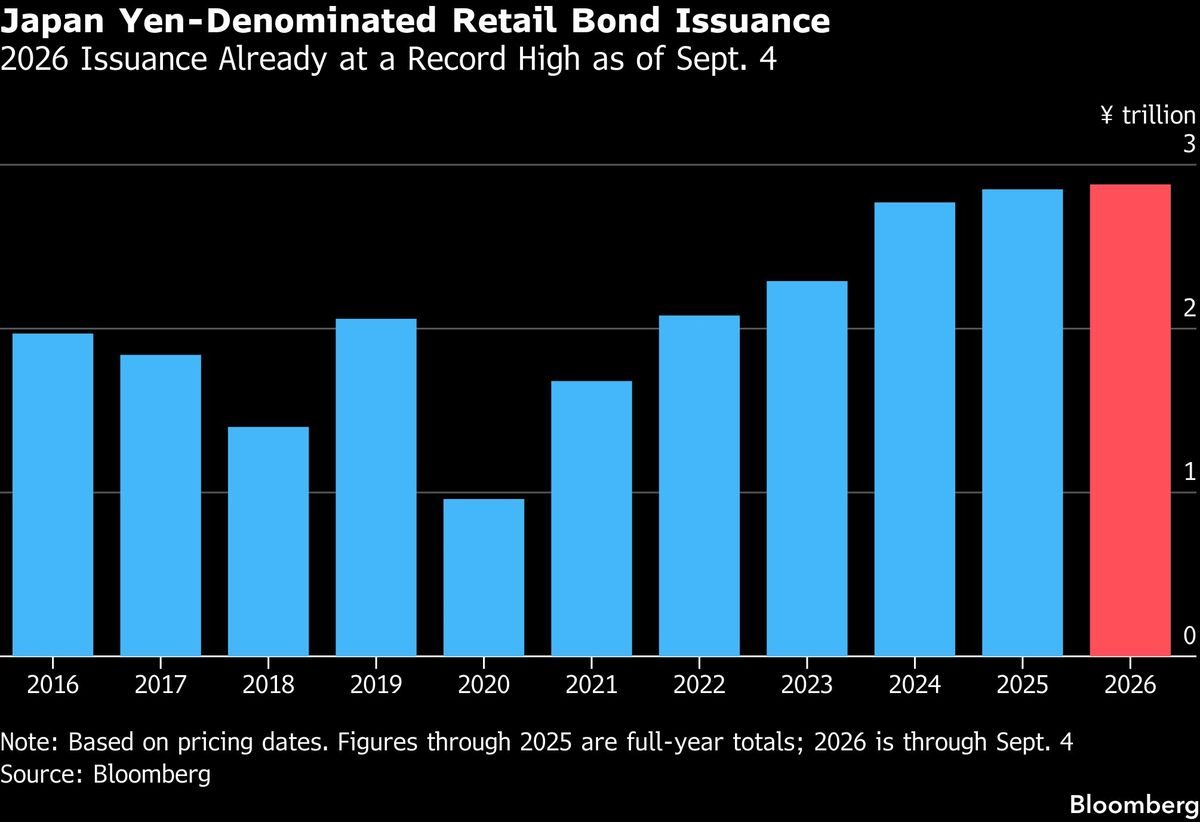
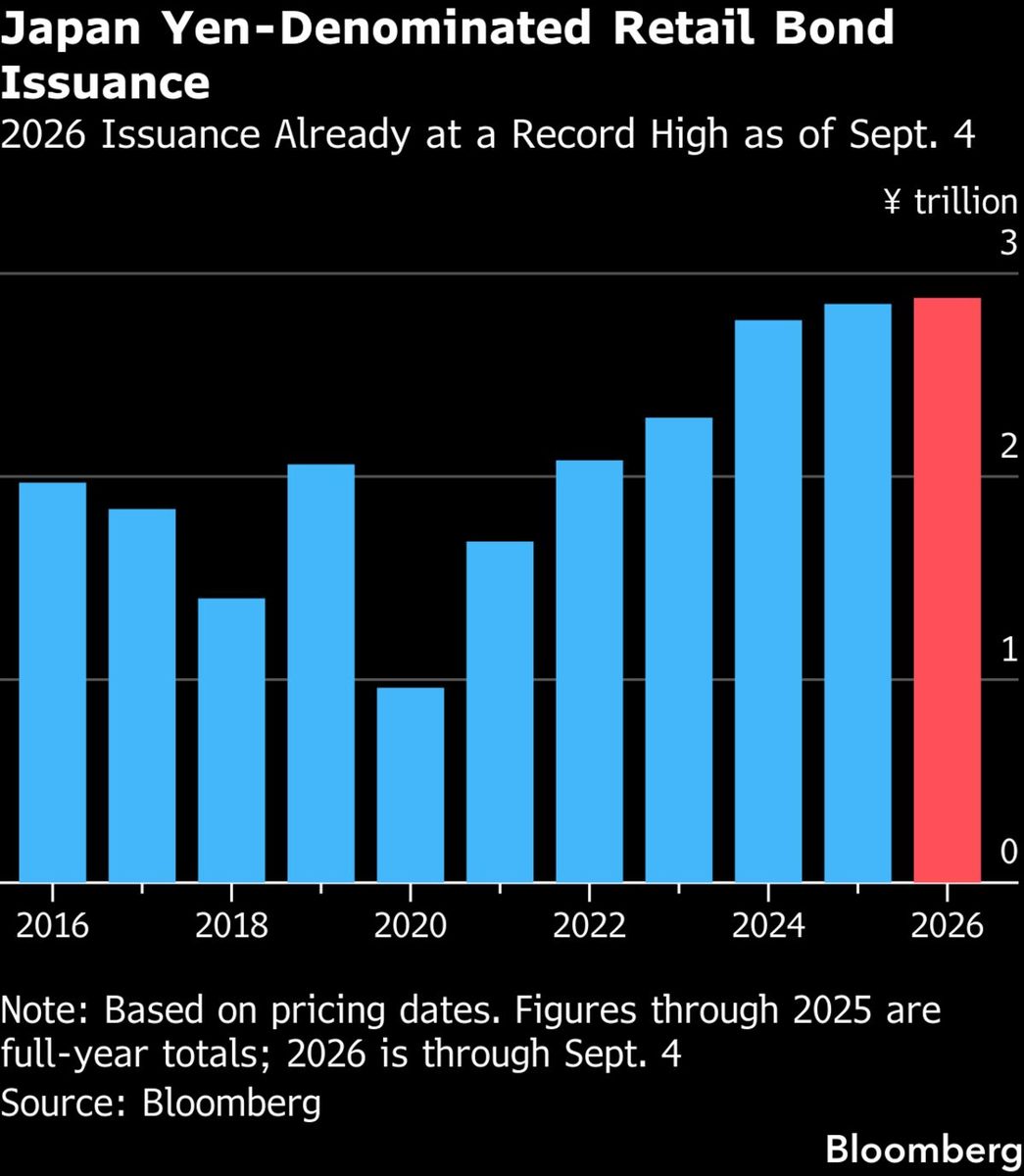
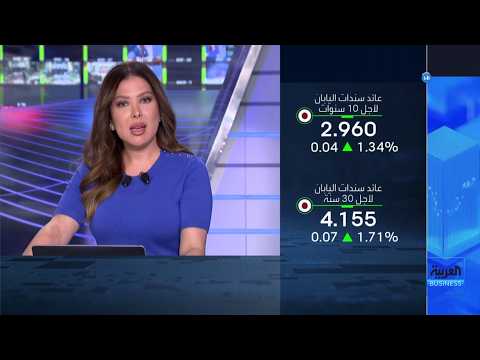
In 2026 the 10-year JGB yield crossed 3% for the first time in about 30 years, and yen retail corporate bond issuance hit a record ¥2.88 trillion by early September.

Now

Higher yields are pulling savings out of deposits and into corporate debt.

Why this matters now

Rising yields are what let SoftBank price a 4.75% retail coupon and what is drawing households into corporate bonds. The deal is a direct product of this regime change.

July 2016

SoftBank's Arm acquisition (2016)

SoftBank agreed to buy UK chip designer Arm for about $32 billion, its largest deal at the time. Son borrowed heavily at the parent level to fund it, betting that mobile chip designs would power the next computing boom.

Then

The deal closed in September 2016 and loaded the parent with debt. SoftBank later repaid it by selling stakes, including part of Arm in its 2023 IPO.

Now

Arm became central to SoftBank's AI story and the group's main source of cash.

Why this matters now

The ABB robotics purchase follows the same playbook: a large acquisition funded by parent-level debt — here including the ¥1 trillion retail bond — with assets expected to be monetized later.

2021–2024

Rakuten's retail bond push (2021–2024)

Rakuten, rated below investment grade, sold waves of retail bonds at coupons roughly double what top-rated issuers paid, to fund Rakuten Mobile's network buildout. The bonds drew household savings hungry for yield during the zero-rate era.

Then

Rakuten raised hundreds of billions of yen from retail investors and completed its network rollout, though the mobile business burned cash for years.

Now

It proved Japanese households will buy junk-rated corporate bonds at a yield premium.

Why this matters now

SoftBank, also rated one notch below investment grade, is now running the same play at record scale with a ¥1 trillion retail bond.

Sources

(9)