




Pull to refresh
Logo
SoFi becomes first national bank to settle card payments with stablecoin

SoFi becomes first national bank to settle card payments with stablecoin

New Capabilities

SoFi Bank is migrating its $25 billion card program to SoFiUSD settlement on Mastercard's network

Overview

Updated Sep 24

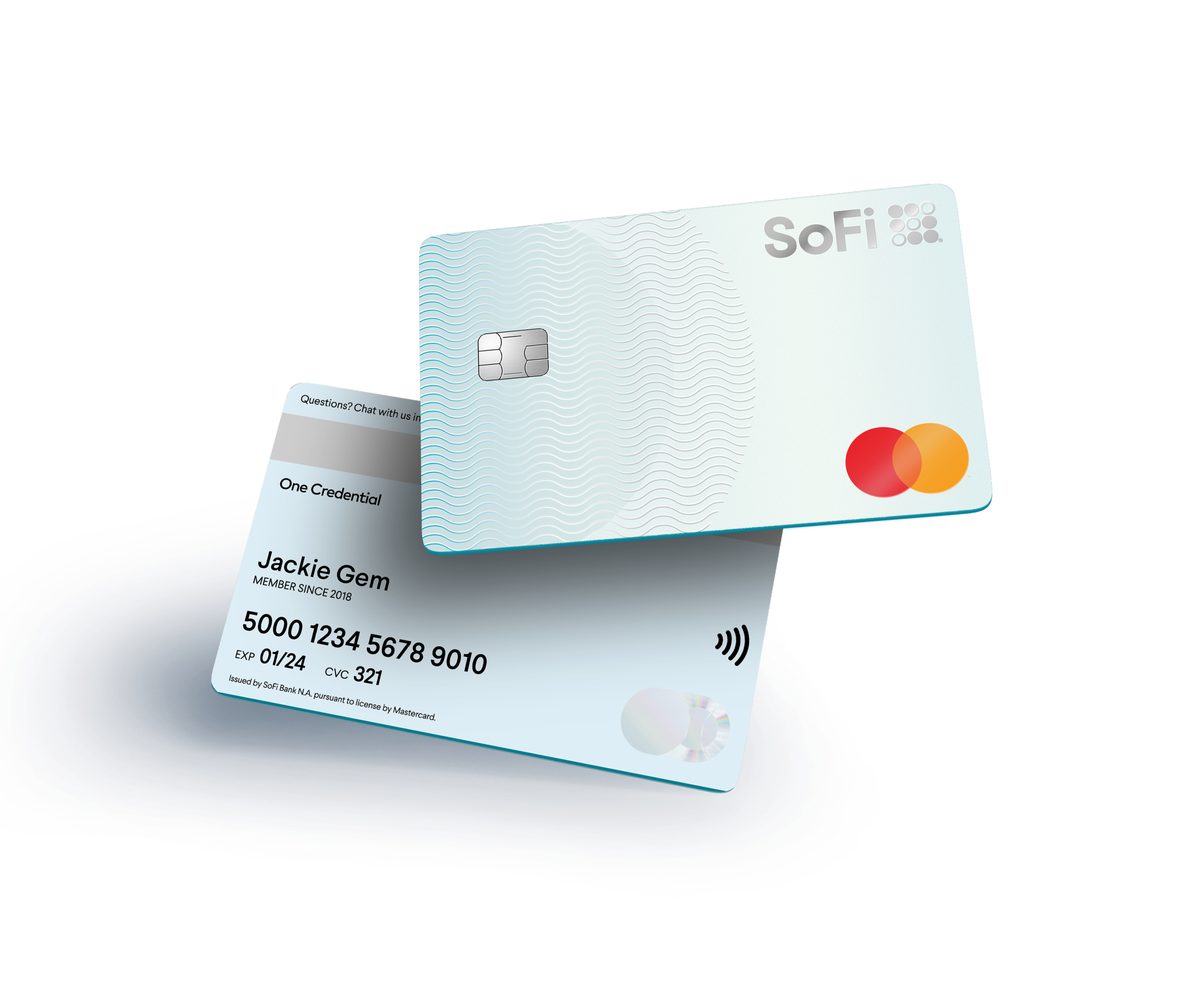
SoFi Bank is moving its debit and credit card program to stablecoin settlement on Mastercard's network. The program is projected at more than $25 billion in annualized volume and settles in SoFiUSD, a token the bank itself issues. It's the first nationally chartered bank to put stablecoin settlement live on a major card network, though the migration is still in progress.

Cardholders see no change, and merchants don't need to hold crypto. Settlement that used to take days now arrives instantly, and merchants can withdraw to cash around the clock at zero cost. The $25 billion figure is a projection of the program's eventual run rate, not a count of stablecoin transactions already settled.

Why it matters

Bank-issued stablecoins could cut card settlement from days to seconds, but SoFi has yet to disclose how much volume actually settles in SoFiUSD.

Questions about this story

Free account needed to ask — your question is kept and asked for you right after sign-up. Answers are public.

No questions yet — be the first to ask.

Key Indicators

$25B
Projected annualized card volume on stablecoin settlement
SoFi Bank's card program is projected to process more than $25 billion annually after migration completes. Actual SoFiUSD settled volume has not been disclosed.
1
First national bank with stablecoin settlement on Mastercard
SoFi Bank is the first OCC-regulated national bank to go live with stablecoin settlement on Mastercard's network.
6 months
Time from partnership announcement to live launch
SoFi and Mastercard announced the partnership in March 2026 and went live in September 2026.

Voices

Curated perspectives — historical figures and your fellow readers.

Sign up to generate historical perspectives on this story.

People Involved

Organizations Involved

Timeline

December 2025 September 2026

4 events Latest: September 22nd, 2026 · 2 months ago
Tap a bar to jump to that date
  1. Stablecoin settlement goes live on Mastercard

    Latest Launch

    SoFi Bank's entire $25 billion card program begins settling in SoFiUSD on Mastercard's network.

  2. SoFi launches Big Business Banking

    Product Launch

    SoFi launches a platform combining regulated business deposit accounts with API-based payments.

  3. SoFi and Mastercard announce partnership

    Partnership

    The companies announce plans to bring stablecoin settlement to Mastercard's network using SoFiUSD.

  4. SoFiUSD launches

    Product Launch

    SoFi Bank issues SoFiUSD, a payment stablecoin redeemable 1:1 for US dollars.

Scenarios

1

Galileo extends SoFiUSD settlement to other banks

Possible Resolves by Mar 22, 2027

Discussed by: Forkast and crypto-news-flash analysts

Galileo, SoFi's fintech platform, offers SoFiUSD settlement to other issuing banks and payment clients. If other banks adopt it, SoFiUSD moves beyond SoFi's own card program and becomes a broader settlement rail. SoFi is already in talks with large merchants across the US, ranging from multinational retailers to technology service platforms.

2

SoFiUSD stays internal to SoFi's card program

Possible Resolves by Mar 22, 2027

Discussed by: crypto-news-flash, which notes the gap between card volume and stablecoin supply

The token remains a tool for SoFi's own operations. The $25 billion card program continues, but SoFiUSD supply and third-party adoption stay limited. The headline number reflects annualized card volume, not stablecoin transaction volume, and a dollar of SoFiUSD can be reused across many transactions.

3

Regulators issue guidance on bank-issued stablecoin settlement

Uncertain Resolves by Sep 22, 2027

Discussed by: No specific analyst cited; the OCC's role as SoFi Bank's regulator makes this a live question

The Office of the Comptroller of the Currency or another federal regulator issues formal guidance on bank-issued stablecoins used in payment settlement. This could legitimize the practice or impose new restrictions on how banks use stablecoins for settlement.

4

SoFi discloses actual SoFiUSD settlement volume

Possible Resolves by End of 2026

Discussed by: Cryptoslate and TokenPost, which note the gap between the $25 billion projection and observed throughput

SoFi's next quarterly report or a future announcement reveals how much of the card program's volume actually settles in SoFiUSD. If the number is small, the $25 billion headline overstates current adoption. SoFi has not disclosed the amount or share of transactions already settled in the token.

Historical Context

2 moments from history that rhyme with this story — and how they unfolded.

September 1958

BankAmericard (1958)

Bank of America launched the first general-purpose credit card in Fresno, California, mailing 60,000 cards to residents. It started as one bank's product and grew into a global network.

Then

The card grew slowly at first, with merchants hesitant to accept it and fraud a persistent problem.

Now

BankAmericard became Visa, one of the world's largest payment networks, proving a single bank's innovation could become industry infrastructure.

Why this matters now

SoFiUSD starts as one bank's settlement tool, but Galileo could extend it to other banks, similar to how BankAmericard expanded from one bank to a global network.

July 2023

FedNow (2023)

The Federal Reserve launched FedNow, a real-time payment system that lets banks settle transactions instantly, 24/7. It was the first new US payment rail in decades.

Then

Banks adopted FedNow gradually, with early participants processing small volumes.

Now

FedNow made instant settlement available to all US banks, though adoption has been slower than some expected.

Why this matters now

Both FedNow and stablecoin settlement aim to speed up payment settlement. FedNow is centralized and government-run; SoFiUSD is a bank-issued token on a blockchain.

Sources

(13)