
Pull to refresh
Logo
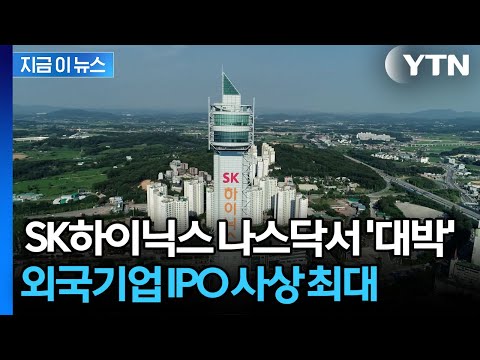
SK Hynix debuts on Nasdaq in largest US listing by a foreign company

SK Hynix debuts on Nasdaq in largest US listing by a foreign company

Money Moves

The South Korean memory maker raised about $26.5 billion, beating Alibaba's 2014 record and opening a core AI-chip supplier to US investors.

July 10th, 2026: SK Hynix debuts on Nasdaq

Overview

Updated Jul 10

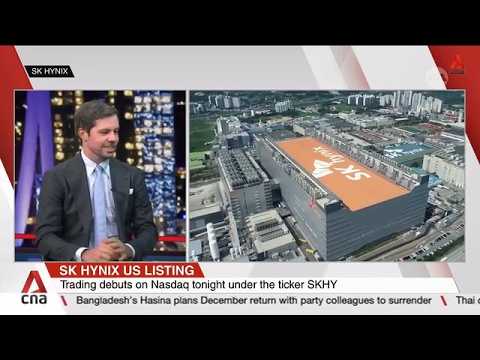
SK Hynix rang the Nasdaq opening bell on July 10 and raised about $26.5 billion. No foreign company has ever raised more in a US share sale.

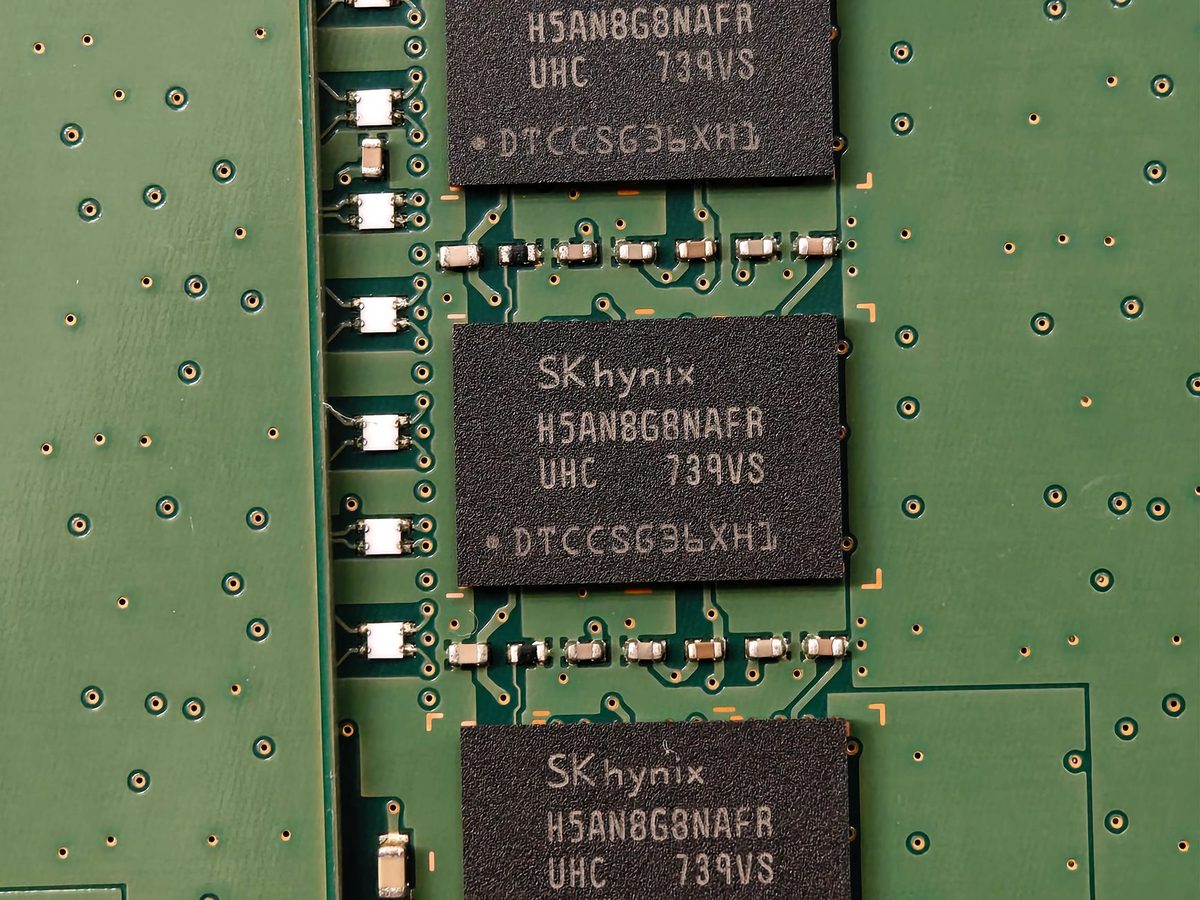
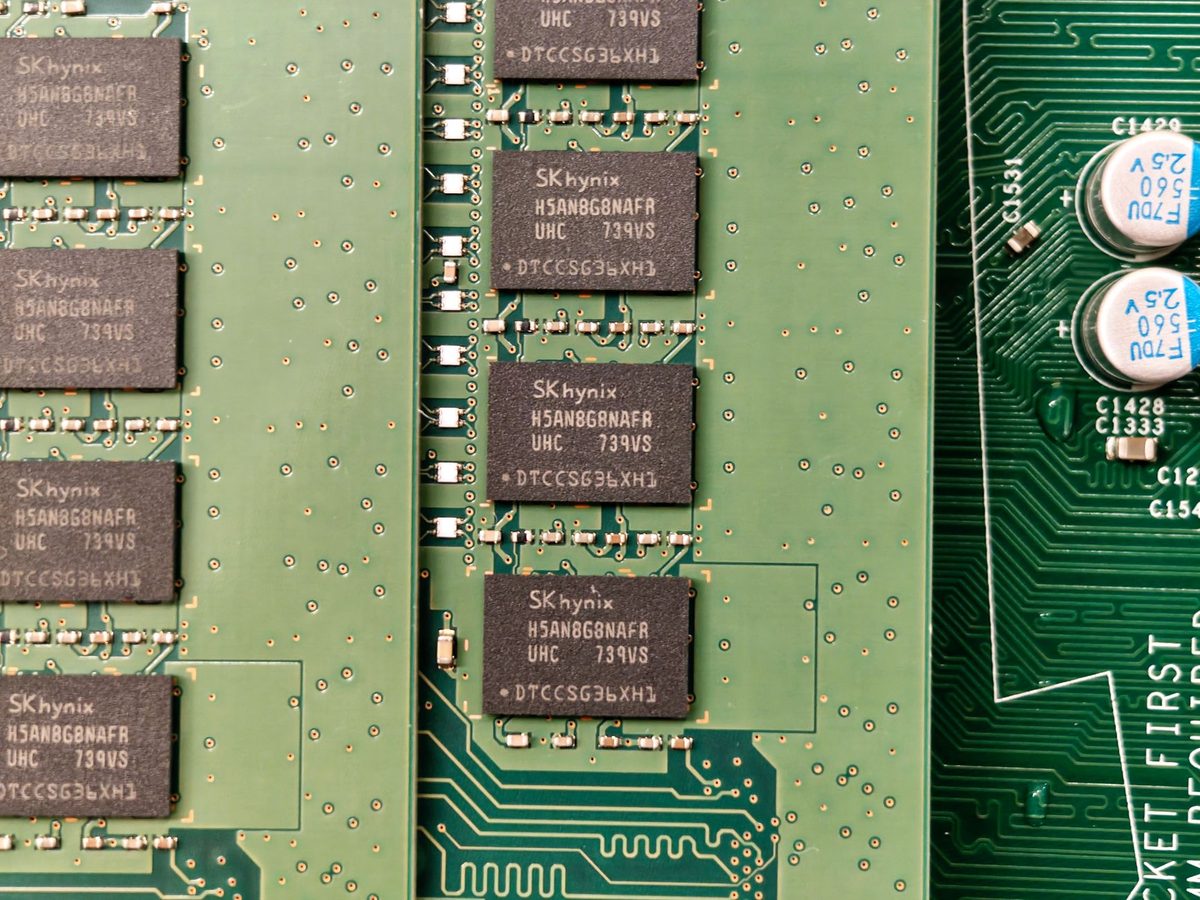
The South Korean firm makes roughly 56% of the world's high-bandwidth memory, the stacked chips that sit next to Nvidia's AI processors. Its stock is now open to US buyers for the first time. Orders covered seven times the shares on offer.

Why it matters

US investors can now buy a direct stake in the company that supplies most of the memory inside Nvidia's AI chips.

Questions about this story

Free account needed to ask — your question is kept and asked for you right after sign-up. Answers are public.

No questions yet — be the first to ask.

Key Indicators

$26.5B
Raised in the listing
Gross proceeds from selling 177.9 million American Depositary Receipts.
$149
Price per ADR
Each receipt represents one-tenth of a common share.
56%
Share of world HBM
SK Hynix's slice of the high-bandwidth memory used in AI accelerators.
7x
Oversubscription
Orders reportedly covered seven times the shares available.
$25B
Prior record
Alibaba's 2014 US listing, now surpassed.

Voices

Curated perspectives — historical figures and your fellow readers.

Ever wondered what historical figures would say about today's headlines?

Sign up to generate historical perspectives on this story.

People Involved

Organizations Involved

Timeline

March 2026 July 2026

6 events Latest: July 10th, 2026 · 2 months ago
Tap a bar to jump to that date
  1. SK Hynix debuts on Nasdaq

    Latest Market

    Trading begins under ticker SKHYV. The sale is the largest US listing ever by a foreign company, beating Alibaba's 2014 record. Shares are indicated to open well above the offer price.

  2. Deal priced at $149

    Corporate

    SK Hynix prices 177.9 million ADRs at $149 each, raising about $26.5 billion. Orders covered seven times the shares.

  3. Offering opens to investors

    Corporate

    The share sale goes live, testing demand for the year's biggest AI-linked listing.

  4. Chip shares slide before the deal

    Market

    Samsung and SK Hynix shares fall as a Nasdaq tech selloff tests appetite for AI stocks days before pricing.

  5. Listing plan goes public

    Corporate

    SK Hynix confirms plans for a Nasdaq ADR listing of up to roughly $29 billion.

  6. Kwak floats a US listing

    Statement

    At SK Hynix's annual meeting, CEO Kwak Noh-jung says an ADR listing would widen the investor base and lift valuation.

Scenarios

1

SK Hynix holds above its offer price after one month

Likely Resolves by Aug 10, 2026

Discussed by: Bloomberg, CNBC

Shares were indicated to open roughly 17% to 21% above the $149 offer, reflecting heavy oversubscription. If AI-memory demand stays strong and the broader tech market steadies, the stock keeps its premium through its first month of US trading.

2

SK Hynix's market value passes Micron within a year

Uncertain Resolves by Jul 10, 2027

Discussed by: The Korea Herald, Fortune

Kwak's stated reason for listing in the US is to close a valuation gap with Micron, which trades at a higher multiple. If US investors re-rate the stock toward its larger AI-memory share, SK Hynix's market capitalization could overtake Micron's during the year after the debut.

3

Another foreign chipmaker files for a US listing

Possible Resolves by Jul 10, 2027

Discussed by: Reuters, Bloomberg

A record foreign debut can pull rivals toward the same market. If SK Hynix's premium holds, another large non-US chipmaker, such as a Samsung unit or a Chinese or Taiwanese firm, could register a US share sale within a year to chase the same AI valuation.

4

SK Hynix completes its planned EUV equipment buy

Likely Resolves by End of 2027

Discussed by: The Korea Herald

The company earmarked the proceeds for factory expansion, including about 11.9 trillion won of extreme ultraviolet lithography machines by the end of 2027. If capital spending proceeds as outlined, SK Hynix confirms delivery or purchase of that equipment within the window.

Historical Context

3 moments from history that rhyme with this story — and how they unfolded.

October 1997

TSMC lists ADRs in New York (1997)

Taiwan Semiconductor Manufacturing Company, the world's largest contract chipmaker, listed American Depositary Receipts on the New York Stock Exchange while keeping its main listing in Taipei.

Then

The listing gave US investors direct access to a rising Asian foundry.

Now

TSMC grew into a core supplier for Apple, Nvidia, and the whole AI chip industry, and its US-traded shares became a widely held tech holding.

Why this matters now

It shows the same playbook SK Hynix now runs: an Asian chip supplier tapping US markets while staying listed at home.

September 2014

Alibaba US IPO (2014)

Chinese e-commerce group Alibaba raised about $25 billion on the New York Stock Exchange under ticker BABA. It was the largest US share sale by a foreign company, a record that stood for nearly twelve years.

Then

Shares jumped 38% on the first day, valuing Alibaba above $230 billion.

Now

The listing became a benchmark for foreign mega-deals and later drew scrutiny as US-China tensions grew.

Why this matters now

SK Hynix's $26.5 billion sale is the deal that finally beat Alibaba's record.

September 2023

Arm Holdings Nasdaq IPO (2023)

UK chip-design firm Arm, owned by SoftBank, raised about $4.9 billion on Nasdaq at $51 per share. Investors treated it as a way to buy into the AI hardware boom.

Then

Shares rose about 25% on debut, then swung sharply in later months.

Now

Arm's stock became a proxy for AI-chip sentiment, rewarding early buyers but staying volatile.

Why this matters now

Like Arm, SK Hynix is selling US investors a pure-play stake in the AI supply chain, with the same demand and the same volatility risk.

Sources

(7)