


Pull to refresh
Logo
Pancreatic cancer rewrites its DNA to evade treatment, study finds

Pancreatic cancer rewrites its DNA to evade treatment, study finds

New Capabilities

Blocking MYC pushed aggressive cells toward a milder state, and a second drugmaker now reports similar lab results

Overview

Updated Oct 27

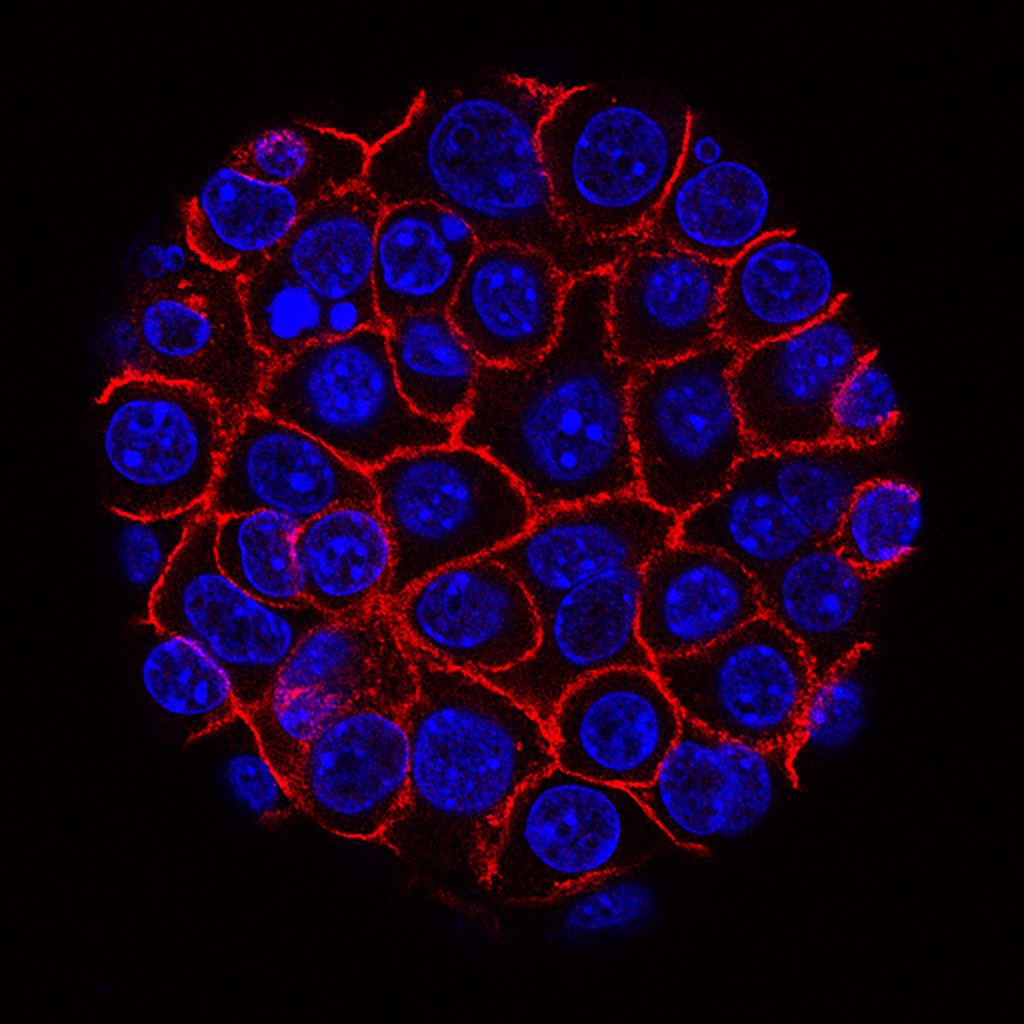
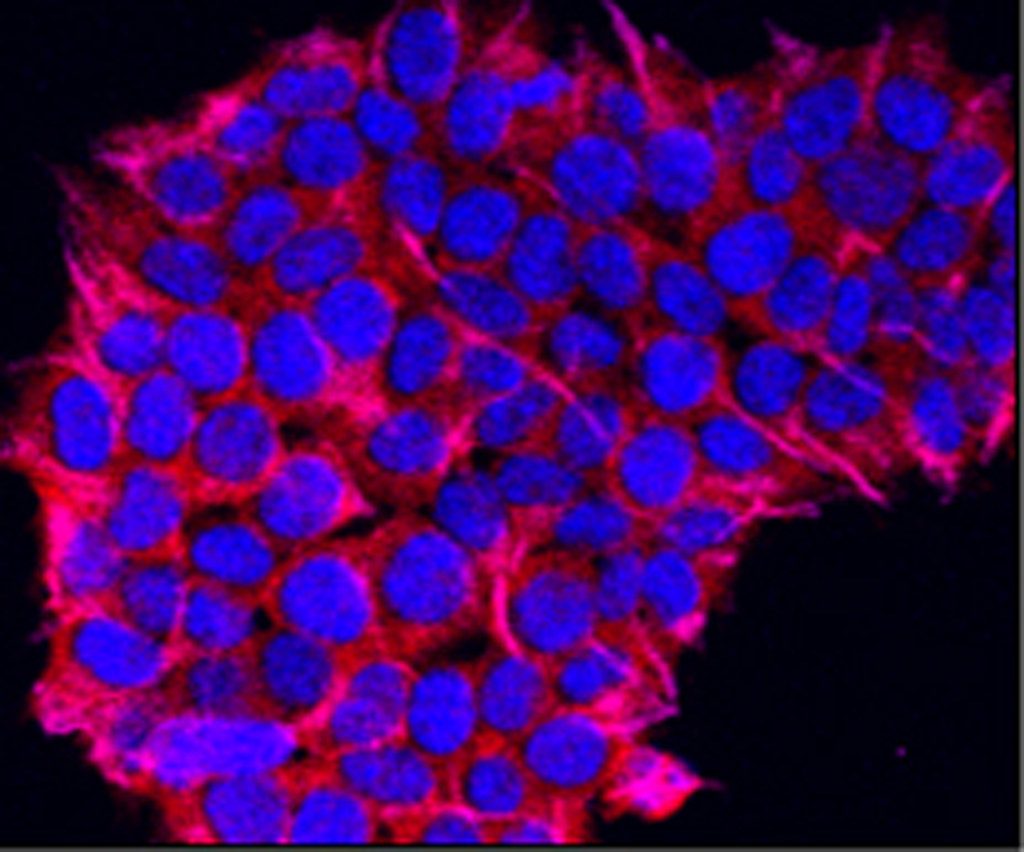
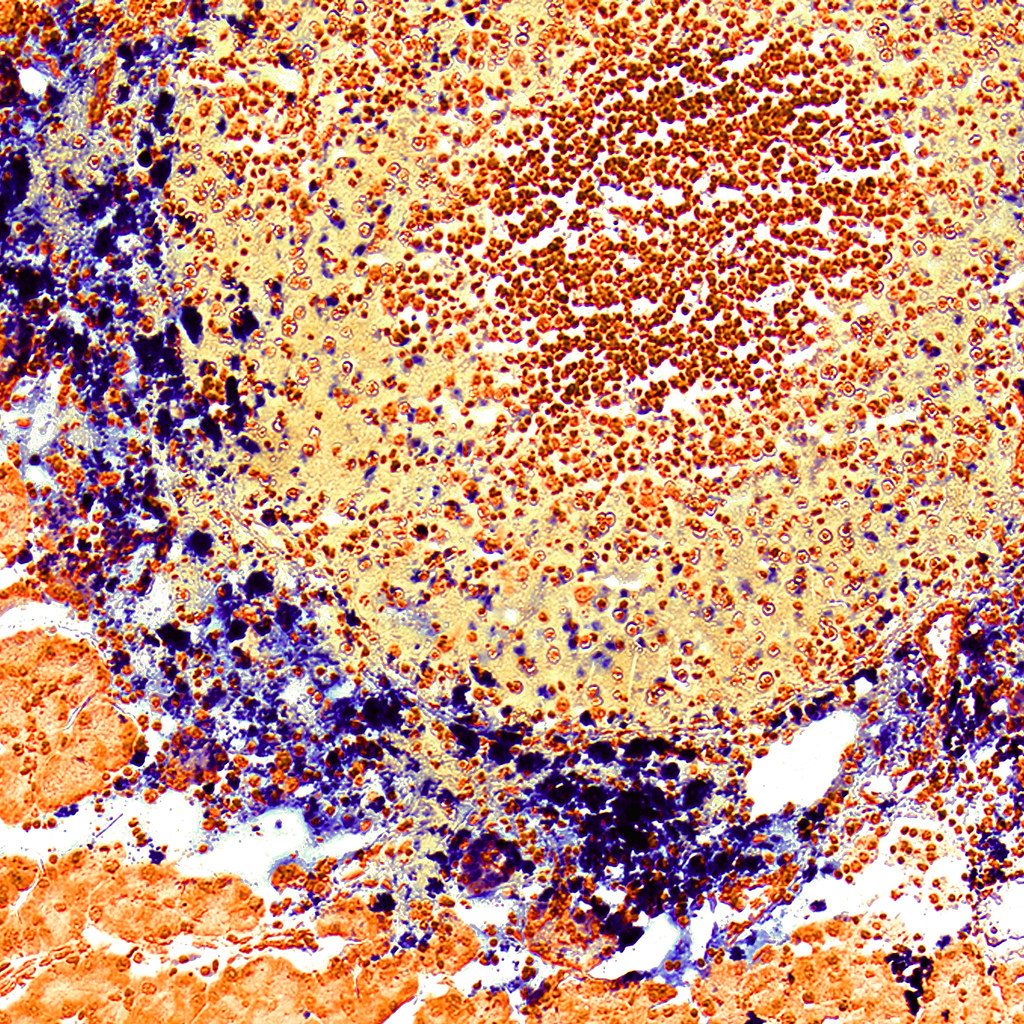
Pancreatic cancer kills about 85 percent of patients within five years of diagnosis. A study of 443,451 individual cancer cells from 62 tumors shows how the disease keeps rewriting its DNA, producing cell populations that resist chemotherapy and spread.

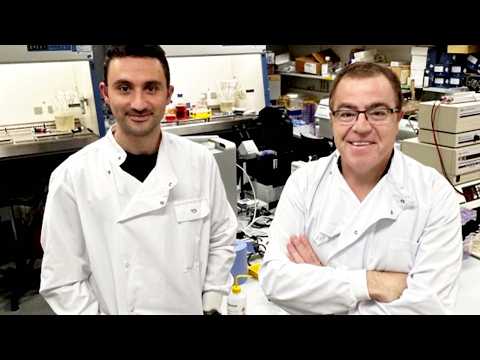
Researchers at NYU Langone Health and UC San Diego found that blocking a gene called MYC pushed aggressive cells back toward a milder state and made them easier for immune cells to see. Clinical trials of MYC and TIGIT inhibitors are already running. On Oct. 26, Australian drugmaker Propanc reported that its experimental PRP formula lowered MYC activity in chemotherapy-resistant pancreatic cancer cells in lab tests, with a first human trial planned for early 2027.

Why it matters

Pancreatic cancer kills 85 percent of patients within five years; drugs now in trials target the genes this study blames.

Questions about this story

Free account needed to ask — your question is kept and asked for you right after sign-up. Answers are public.

No questions yet — be the first to ask.

Key Indicators

443,451
Individual cells analyzed
Single-cell transcriptomics of 62 pancreatic tumors, examining each cancer cell on its own.
62
Tumors sampled
From 56 patients with pancreatic ductal adenocarcinoma; six gave samples before and after chemotherapy.
85%
Five-year mortality
Share of pancreatic ductal adenocarcinoma patients who die within five years of diagnosis.
2–11
Clones per tumor
Distinct cancer cell populations found in individual tumors, with differing behavior.

Voices

Curated perspectives — historical figures and your fellow readers.

Sign up to generate historical perspectives on this story.

People Involved

Organizations Involved

Timeline

3 events Latest: October 26th, 2026 · 2 weeks ago
  1. Propanc reports PRP lowered MYC in resistant pancreatic cells

    Latest Research

    The Melbourne-based company said lab tests showed its PRP formula cut MYC and SOX2 activity in chemotherapy-resistant pancreatic cancer cells and reduced invasion by 47–81 percent. A Phase 1b first-in-human trial in up to 50 patients with advanced solid tumors is planned for the first quarter of 2027.

  2. Findings announced publicly

    Announcement

    NYU and UC San Diego announce that blocking MYC reverted aggressive pancreatic cancer cells and that MYC and TIGIT inhibitors are in clinical trials.

  3. Study published in Nature Genetics

    Publication

    NYU Langone and UC San Diego researchers publish a single-cell analysis of 443,451 pancreatic cancer cells from 62 tumors.

Scenarios

1

MYC inhibitors show benefit in pancreatic cancer trials

Possible Resolves by End of 2028

Discussed by: Researchers at NYU Langone and UC San Diego; companies running MYC inhibitor trials

Clinical trials targeting MYC are already underway for pancreatic ductal adenocarcinoma. If blocking MYC reverts aggressive cells in humans as it did in lab experiments, treatment could push cancer toward a less dangerous state and expose it to immune attack. Early results would need to show a survival benefit to change practice.

2

TIGIT emerges as an immunotherapy target for pancreatic cancer

Possible Resolves by End of 2028

Discussed by: Immunotherapy researchers; developers of TIGIT inhibitors

The study found elevated TIGIT gene activity in cancer cells that evade immune detection, while PD1 activity dropped. That combination may explain why PD-1 immunotherapies fail against pancreatic cancer. TIGIT inhibitors, already in clinical trials, could offer an alternative or complementary approach if the mechanism holds in patients.

3

Findings deepen understanding but produce no new treatment

Possible Resolves by End of 2030

Discussed by: Observers who note that many lab discoveries fail to translate into approved drugs

Most promising lab findings do not survive clinical translation. If MYC or TIGIT inhibitors prove toxic, ineffective, or too narrow in humans, the study's value would be limited to a sharper understanding of how pancreatic tumors evolve and resist treatment.

4

PRP reaches first-in-human testing in pancreatic cancer

Possible Resolves by End of 2027

Discussed by: Propanc Biopharma, which announced the Phase 1b plan

Propanc said in October 2026 that its PRP formula lowered MYC and SOX2 activity in chemotherapy-resistant pancreatic cancer cells in the lab, and that it plans a Phase 1b study in up to 50 patients with advanced solid tumors in the first quarter of 2027. That trial would test safety and dosing, not whether patients live longer.

Historical Context

2 moments from history that rhyme with this story — and how they unfolded.

1987 to 1998

HER2 and Herceptin (1987–1998)

In 1987, Dennis Slamon and colleagues found that about a quarter of breast cancer tumors carry extra copies of the HER2 gene, which drives aggressive growth. Within a decade, the antibody drug trastuzumab, sold as Herceptin, was targeting that gene in patients.

Then

Herceptin reached the U.S. market in 1998 and improved survival for HER2-positive breast cancer patients.

Now

It established the model of finding a genetic driver and building a therapy around it, changing how cancer drugs are developed.

Why this matters now

Like HER2, MYC is a genetic driver in a subset of cancers. The new study suggests blocking MYC could similarly reshape treatment for pancreatic cancer.

2011 to 2018

Checkpoint inhibitors and the 2018 Nobel (2011–2018)

James Allison and Tasuku Honjo won the 2018 Nobel Prize in Physiology or Medicine for discovering that blocking CTLA-4 and PD-1 proteins unleashes the immune system against tumors. Their work led to drugs like ipilimumab and pembrolizumab that transformed treatment of melanoma and lung cancer.

Then

Checkpoint inhibitors became standard treatments and extended survival for patients with several cancers.

Now

They exposed how tumors suppress immune responses, but pancreatic cancer has largely resisted these drugs.

Why this matters now

The new study's finding that PD1 activity drops while TIGIT rises in pancreatic clones may explain that resistance and point to an alternative target.

Sources

(5)