
Pull to refresh
Logo
Santander buys into US retail banking with Webster deal

Santander buys into US retail banking with Webster deal

Money Moves

Spain's largest bank completed a $12.3 billion purchase of Webster Financial and is now integrating the Connecticut lender into its US operations.

August 21st, 2026: Santander outlines integration timeline

Overview

Updated Aug 29

Spain's Banco Santander closed its $12.3 billion purchase of Webster Financial on August 20, folding Connecticut's Webster Bank into its US operations. The merged bank has about 8 million customers and more than 550 branches, with its US headquarters in Boston. Santander counts it at $327 billion in assets; the Federal Reserve, using a narrower holding-company measure, said $253.6 billion.

Integration is just starting, and customers see little change for now. Brands and systems stay unchanged for at least a year; a single platform under the Santander name is planned by the end of 2027. Santander targets $800 million in annual savings by 2028, and deposits from the two banks keep separate FDIC coverage for six months.

Why it matters

A European bank is expanding into US branch banking just as rivals retreat, testing whether foreign owners can compete for American depositors and businesses.

Questions about this story

Free account needed to ask — your question is kept and asked for you right after sign-up. Answers are public.

No questions yet — be the first to ask.

Key Indicators

$12.3B
Deal value
Aggregate value of Santander's purchase of Webster Financial. Some outlets report $12.2 billion. The implied value per Webster share had risen to about $77.95 by closing, from $75 at announcement, because Santander's shares gained.
$327B
Combined US assets
Santander's pro forma figure for its entire US business, per its August 20 press release. The Federal Reserve counted the bank holding company at $253.6 billion.
19th
US bank rank by assets
Federal Reserve ranking of the combined bank holding company. Santander describes the merged bank as one of the largest US retail and commercial banks, a category that excludes trust, custody and investment banks.
$800M
Targeted cost synergies
Annual cost savings Santander projects by 2028, mostly from technology and back-office consolidation rather than branch closures.
18%
US return target by 2028
Return on tangible equity Santander expects from its US unit.
8M
Combined customers
Roughly 3.5 million former Webster customers plus Santander's existing ~4.5 million, per the Connecticut Post.
550+
US branches
Total branches including about 195 former Webster branches, mostly in Connecticut and New York.
~14,000
Combined US workforce
Santander's estimate of total staff after the merger, per American Banker.

Voices

Curated perspectives — historical figures and your fellow readers.

Ever wondered what historical figures would say about today's headlines?

Sign up to generate historical perspectives on this story.

People Involved

Organizations Involved

Timeline

February 2026 August 2026

9 events Latest: August 21st, 2026 · 3 weeks ago
Tap a bar to jump to that date
  1. Santander outlines integration timeline

    Latest Integration

    Christiana Riley says brands and systems stay unchanged for at least 12 months. A core systems conversion is targeted for the end of 2027. Branch count is now over 550, including about 195 former Webster branches.

  2. Santander confirms Boston as US headquarters

    Integration

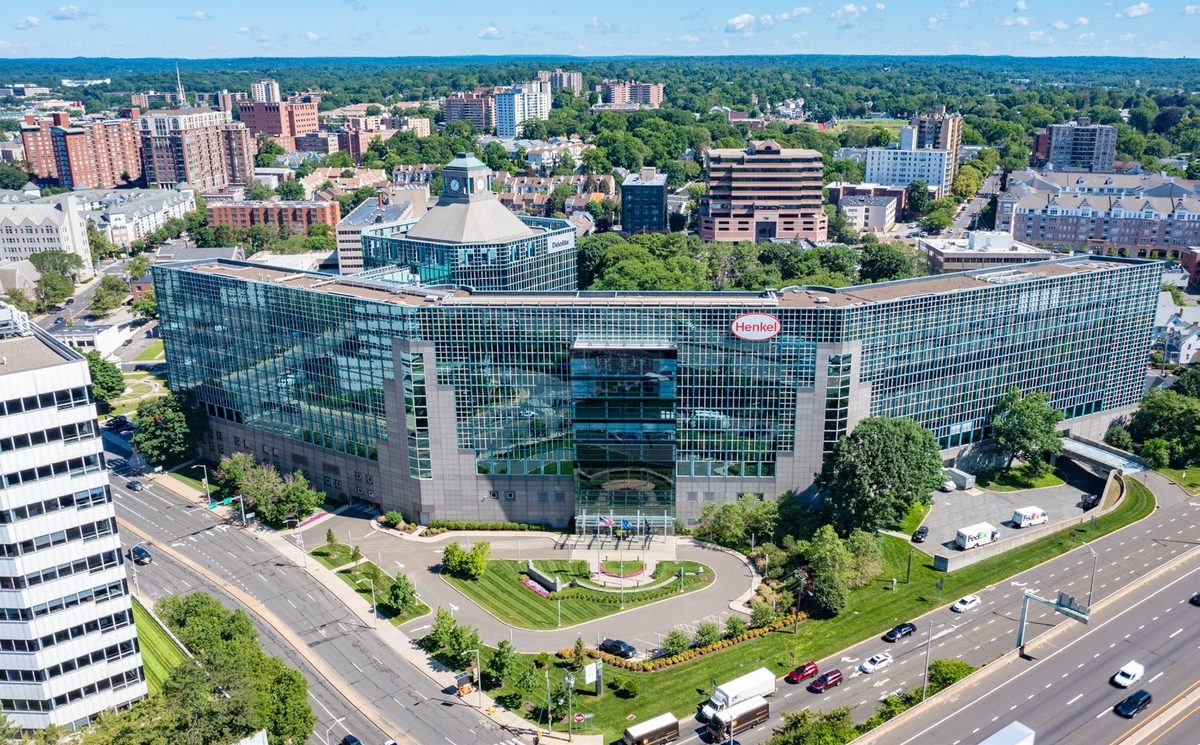
    Santander said its US headquarters remains in Boston. Stamford, Webster's former home, is now a regional corporate office alongside New York, Miami and Dallas.

  3. Merger takes legal effect

    Deal Close

    Santander completes the acquisition and a capital increase of about €3.56 billion. Webster folds into Santander Bank, N.A.

  4. Santander lays out customer transition rules

    Integration

    Santander posted merger FAQs for customers. Deposits at the two banks keep separate FDIC coverage for six months, or until CD maturity, then combine under standard limits. Santander customers can use both ATM networks for withdrawals and balance checks without fees.

  5. Webster shares close below deal value on final trading day

    Market

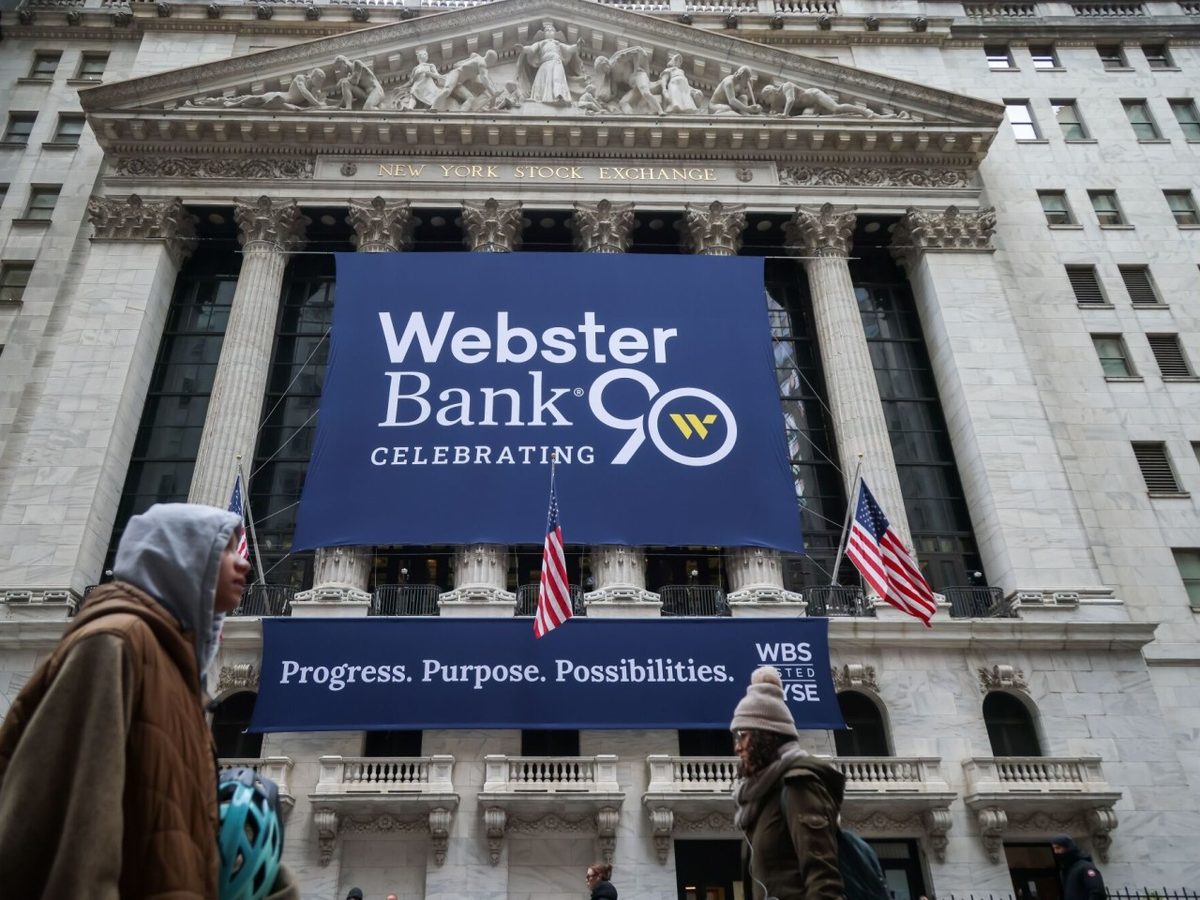
    Webster stock closed at $77.57, about 0.5% below the deal's implied value of $77.95 per share. The implied value rose from roughly $75 at the February announcement because Santander's shares gained. Trading stopped before the NYSE open on August 20, when the merger took effect.

  6. Federal Reserve approves

    Regulatory

    The Fed clears the deal 129 days after filing, the last regulatory approval Santander needed.

  7. European Central Bank authorizes

    Regulatory

    The ECB grants Santander authorization for the acquisition and related capital increase.

  8. OCC clears the deal

    Regulatory

    The Office of the Comptroller of the Currency approves the bank-level merger.

  9. Santander agrees to buy Webster

    Deal Announcement

    Santander unveils a roughly $12.3 billion deal for Webster Financial at $75 per share, in cash and stock.

Scenarios

1

Santander hits its 18% US return target by 2028

Possible Resolves by Q1 2029

Discussed by: Santander management guidance; American Banker

Santander projects an 18% return on tangible equity from its US unit by 2028, plus about $800 million in cost savings and 7-8% earnings-per-share accretion. If integration goes smoothly and deposits stay put, the enlarged bank posts the profitability that eluded Santander for years. Success would validate buying scale rather than exiting the US market.

2

Santander keeps Connecticut's top deposit spot

Likely Resolves by Nov 30, 2027

Discussed by: FDIC deposit-market data; Banking Dive

The deal makes Santander the largest deposit holder in Connecticut on day one. The risk is customer attrition: mergers often shed depositors who dislike the new owner or rebrand. If Santander retains Webster's base, it holds the No. 1 rank in the annual FDIC survey. If it bleeds deposits, a rival like Bank of America could overtake it.

3

Santander pursues another US bank acquisition

Uncertain Resolves by End of 2028

Discussed by: Reuters; American Banker analysis of Santander US strategy

Botín has framed Webster as a platform, not an endpoint, pairing it with the national Openbank digital rollout. If the integration succeeds, Santander could buy another US lender to add branches or business lines. A fresh deal would signal confidence that a European owner can keep growing in American banking rather than plateau.

4

Santander completes Webster core-systems conversion by end of 2027

Possible Resolves by End of 2027

Discussed by: Christiana Riley; American Banker

Riley told American Banker that a core systems conversion will likely happen by the end of 2027, with no customer-facing changes in the next 12 months. Meeting that target is central to the $800 million in annual savings Santander expects by 2028, since most cuts come from technology integration and back-office consolidation.

5

Santander misses its end-2027 systems conversion target

Possible Resolves by End of 2027

Discussed by: Clarity Today

Clarity Today notes the window between the end-2027 conversion and the 2028 US profit target is about a year, a thin margin for the attrition and remediation that follow a core banking conversion. A slip would push the $800 million in annual savings and the 18% return target past 2028.

Historical Context

3 moments from history that rhyme with this story — and how they unfolded.

January 2009

Santander acquires Sovereign Bancorp (2009)

Santander completed its takeover of Sovereign Bancorp, a struggling Northeast US lender, during the financial crisis. It was Santander's entry into American retail banking and cost a fraction of Sovereign's earlier value.

Then

Santander gained a Northeast branch network and rebranded it under its own name.

Now

The US arm leaned on auto and consumer lending, with uneven profits, setting up the search for scale that led to Webster.

Why this matters now

Webster is the follow-on that Santander has wanted for over a decade to make its US bank big enough to pay off.

November 2020

BBVA sells US retail unit to PNC (2020)

Spain's BBVA agreed to sell its US retail banking arm to PNC Financial for about $11.6 billion. BBVA had spent years and billions building a US branch network, mostly in the Sunbelt, but decided it could not earn enough to justify staying.

Then

PNC absorbed BBVA's US branches and became one of the largest US banks. BBVA exited retail banking in the country.

Now

The sale became a symbol of European banks struggling to profit in US retail and choosing to leave.

Why this matters now

Santander is expanding into the same market its Spanish rival abandoned, testing whether scale can succeed where BBVA gave up.

May 2021

HSBC exits US retail banking (2021)

Britain's HSBC agreed to sell or wind down most of its US retail branches, ending a long effort to compete for American consumers. It kept only a small wealth and international-banking presence.

Then

HSBC transferred branches to Citizens Bank and Cathay Bank and shrank its US footprint.

Now

It reinforced the pattern of large foreign banks retreating from US consumer banking.

Why this matters now

Santander is buying deeper into the US retail market that HSBC and others decided to leave.

Sources

(19)