
Pull to refresh
Logo
ADU and garage on listed Santa Clara property were on the Nov. 5 historic commission agenda

ADU and garage on listed Santa Clara property were on the Nov. 5 historic commission agenda

Built World Santa Clara, CA local

The 1391 Washington Street item carried a CEQA Class 3 exemption; the city has not yet published the outcome

Overview

Updated Nov 3

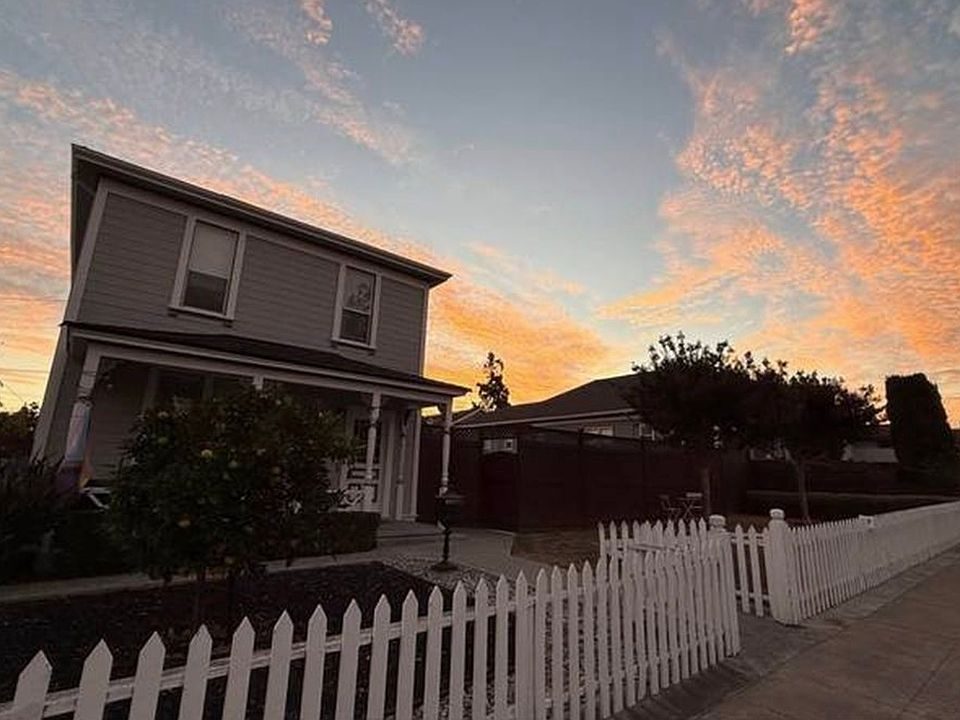
A 1,200-square-foot detached accessory dwelling unit and a 347-square-foot detached garage are proposed for 1391 Washington Street, a property on Santa Clara’s Historic Resource Inventory. The city’s Historical & Landmarks Commission was scheduled to hear the request at 6 p.m. on Nov. 5, 2026. The city has not yet published the outcome.

The agenda lists the item as a recommendation on a significant property alteration and architectural review, not a final construction permit. It carries a CEQA Class 3 categorical exemption for small new construction, so staff do not expect a full environmental review.

Why it matters

The hearing will show how Santa Clara weighs new housing against preservation rules for a listed property.

Questions about this story

Free account needed to ask — your question is kept and asked for you right after sign-up. Answers are public.

No questions yet — be the first to ask.

Key Indicators

1,200
Proposed ADU size
Detached accessory dwelling unit in square feet.
347
Proposed garage size
Detached garage in square feet.
1
Listed property
Property on Santa Clara’s Historic Resource Inventory.
Class 3
CEQA exemption
Categorical exemption for small new construction.

Voices

Curated perspectives — historical figures and your fellow readers.

Sign up to generate historical perspectives on this story.

Organizations Involved

Timeline

2 events Latest: 6 days ago
  1. Commission scheduled to hear ADU and garage request

    Latest Public hearing

    Historical & Landmarks Commission is set to make a recommendation on PLN26-00020.

  2. Agenda lists Nov. 5 hearing on 1391 Washington St.

    Notice

    Published agenda includes PLN26-00020 for an ADU and detached garage on a Historic Resource Inventory property.

Scenarios

1

Commission recommends approval as proposed

Deadline passed (Nov 5, 2026)

Discussed by: Published agenda; no outside analysis identified

The commission could vote to recommend the ADU and garage plan without changes. That would send the item forward as designed, with the Class 3 exemption unchanged.

2

Commission recommends approval with conditions

Deadline passed (Nov 5, 2026)

Discussed by: Published agenda; no outside analysis identified

The commission could recommend the project subject to design changes or preservation conditions. That outcome would keep the project moving but require revisions before any permit.

3

Commission continues or delays the item

Possible Resolves by End of 2026

Discussed by: Published agenda; no outside analysis identified

The hearing could be deferred, withdrawn or moved, as the agenda itself warns. That would leave the project without a recommendation on Nov. 5.

Historical Context

3 moments from history that rhyme with this story — and how they unfolded.

1966

National Historic Preservation Act (1966)

Congress created the National Register of Historic Places and required federal agencies to consider effects on historic properties. The law built a layered system of federal, state and local preservation review.

Then

Federal review became standard for projects with federal ties.

Now

Local historic inventories and commissions became part of a broader preservation framework.

Why this matters now

Santa Clara’s Historic Resource Inventory sits inside that layered system, which is why a local commission reviews alterations to listed properties.

June 1978

Penn Central Transportation Co. v. New York City (1978)

The Supreme Court upheld New York City’s landmarks law after it blocked a tower above Grand Central Terminal. The owner argued the denial amounted to a taking of property.

Then

The court ruled the denial did not require compensation.

Now

Cities gained broad authority to limit alterations to designated landmarks.

Why this matters now

The case frames the tension over changes to a listed property like 1391 Washington Street.

1970

California Environmental Quality Act (1970)

California enacted CEQA, requiring environmental review for projects with significant effects. Categorical exemptions were later created for small projects.

Then

Agencies began screening projects for environmental review.

Now

Class 3 exemptions cover small new construction like accessory units.

Why this matters now

The Santa Clara item cites a Class 3 exemption, meaning staff expect no full environmental review.

Sources

(3)