



Pull to refresh
Logo
Santa Clara reviews second-story addition amid neighbor privacy objections

Santa Clara reviews second-story addition amid neighbor privacy objections

Rule Changes Santa Clara, CA local

City staff backed a 1,517-square-foot expansion. Adjacent owners want enforceable screening, not just landscaping.

August 19th, 2026: Development Review Hearing considers Rita Court addition

Overview

Updated 3 days ago

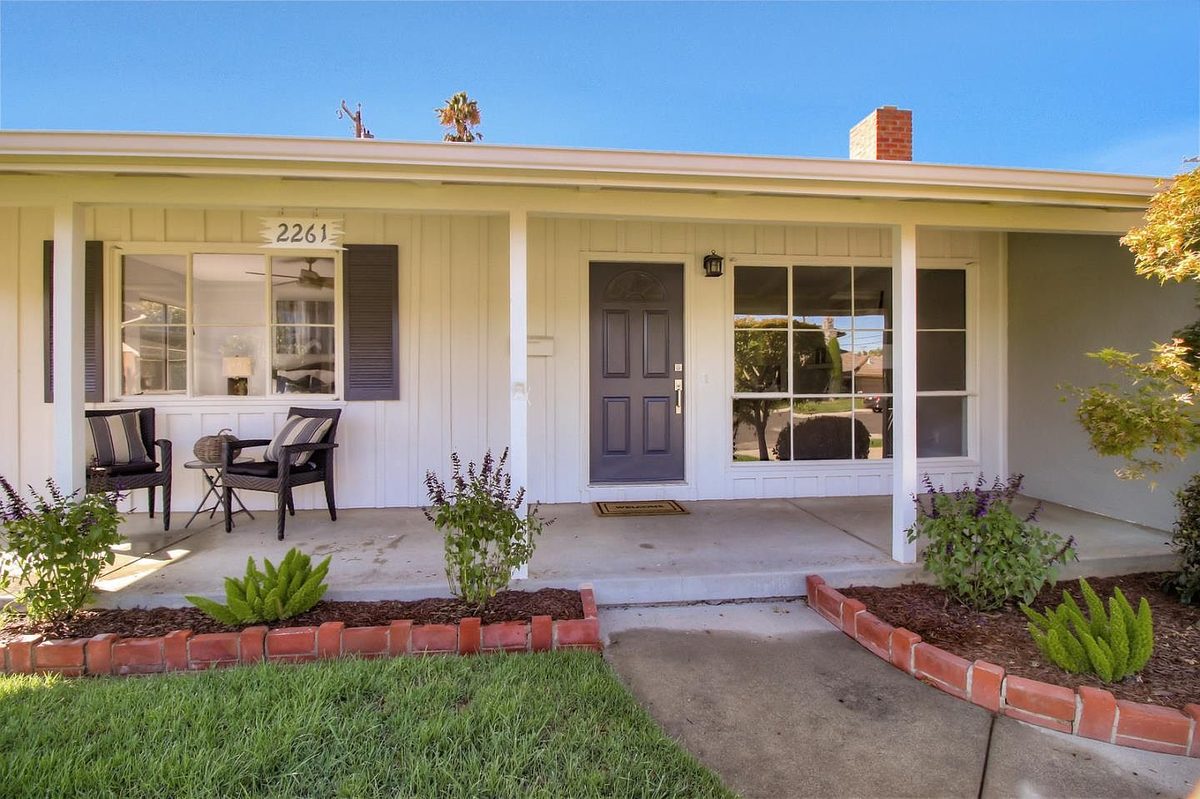
David and Dora Flores own the house behind 2261 Rita Court, a single-story tract home in Santa Clara. A proposal before the city's Development Review Hearing would raise that house to two stories, with a second floor looking down into the Floreses' backyard and living room.

City staff recommended approving the 1,517-square-foot addition. Their only privacy measure was a condition requiring rear-yard landscaping. In California, additions that meet height, setback, and floor-area rules are effectively approved by right, so neighbors rarely can stop one — they can only push for stronger conditions.

Why it matters

If the city can't block a code-conforming addition, neighbor privacy rests on soft conditions like landscaping that inspectors rarely enforce.

Questions about this story

Free account needed to ask — your question is kept and asked for you right after sign-up. Answers are public.

No questions yet — be the first to ask.

Key Indicators

1,517 sq ft
Total proposed addition
A 517-square-foot first floor plus a 1,000-square-foot second floor on an existing single-story home.
1,000 sq ft
Second-story footprint
The new upper floor is the source of the overlook that neighbors objected to.
2
Adjacent owners opposing
David and Dora Flores filed the only formal opposition in the record.

Voices

Curated perspectives — historical figures and your fellow readers.

Ever wondered what historical figures would say about today's headlines?

Sign up to generate historical perspectives on this story.

People Involved

Organizations Involved

Timeline

1 event Latest: August 19th, 2026 · 3 weeks ago
  1. Development Review Hearing considers Rita Court addition

    Latest Hearing

    City staff recommended approving a 1,517-square-foot addition to 2261 Rita Court, citing design-guideline consistency and a state environmental exemption. Adjacent owners David and Dora Flores opposed the second story, saying it would look into their backyard and living areas.

Scenarios

1

City approves addition with landscaping condition as staff recommended

Likely Resolves by Sep 15, 2026

Discussed by: City staff recommendation; standard practice in Santa Clara's review process for conforming additions

A code-conforming addition faces little legal risk of denial in California. The hearing issues an approval carrying the rear-yard landscaping condition and no further privacy measures. Construction can proceed once a permit is pulled, and the Floreses' objection becomes part of the record without changing the outcome.

2

Hearing tightens privacy conditions beyond the staff recommendation

Possible Resolves by Sep 15, 2026

Discussed by: The Floreses' opposition letter; similar conditions used in Bay Area reviews

Responding to public comment, the hearing adds conditions staff did not propose: frosted or obscured glass on upper windows, limits on window placement, or extra screening along the shared boundary. The addition is still approved, but with enforceable design changes that reduce the overlook.

3

Floreses appeal to the Santa Clara City Council

Possible Resolves by Oct 15, 2026

Discussed by: No public prediction; appeal is the standard next step under the city's municipal code when conditions fall short

If the hearing approves the addition without the privacy conditions they asked for, the Floreses file an appeal within the city's statutory window. The council holds a hearing, hears both sides, and either upholds the approval, changes conditions, or remands the project. The appeal is the last local chance to alter the outcome before the permit is issued.

Historical Context

3 moments from history that rhyme with this story — and how they unfolded.

1877

Baltimore v. Roper (1877)

Under an English rule called 'ancient lights,' a homeowner could block a neighbor from building anything that cut off light to their windows. American courts rejected the doctrine, ruling that a landowner has no property right to an open view or to light across a neighbor's land. View and privacy losses became hard to claim as legal injuries.

Then

Property owners lost a legal tool to stop adjacent construction.

Now

Privacy and view harm generally became a matter of zoning rules, not private lawsuits.

Why this matters now

The Floreses' privacy loss, however real, is not a legal injury in California courts — their only forum is the city's discretionary conditions.

September 1982

California Housing Accountability Act (1982)

California legislators passed the Housing Accountability Act to stop cities from rejecting housing projects that comply with local zoning. The law lets courts award attorney's fees and penalties against cities that deny conforming projects. It turned 'not in my neighborhood' into a losing legal argument for most denials.

Then

Cities became far more cautious about rejecting projects that met zoning rules.

Now

The act became the legal foundation for later pro-housing state laws.

Why this matters now

It explains why Santa Clara has little room to refuse a code-compliant addition, even when neighbors object.

September 2021

SB 9 (2021)

SB 9 let California homeowners split lots and build duplexes on single-family parcels, stripping away much local control over single-family zones. It was designed to add infill housing in established neighborhoods. The law pushed homeowners to build up and out on lots zoned for one house.

Then

Cities that resisted saw their discretion over single-family parcels sharply reduced.

Now

Upward and infill construction became normal in neighborhoods built as single-story tracts.

Why this matters now

The same legal logic that opened single-family zones to duplexes also lets existing homes expand upward, forcing privacy conflicts like this one.

Sources

(3)