
Pull to refresh
Logo
Fresno board continues unpermitted duplex conversion case

Fresno board continues unpermitted duplex conversion case

Rule Changes Fresno, CA local

Meeting records show the board continued the case again on Oct. 20 instead of doubling fines, and no new hearing date is listed. The board's Nov. 3 meeting was cancelled.

Overview

Updated Nov 3

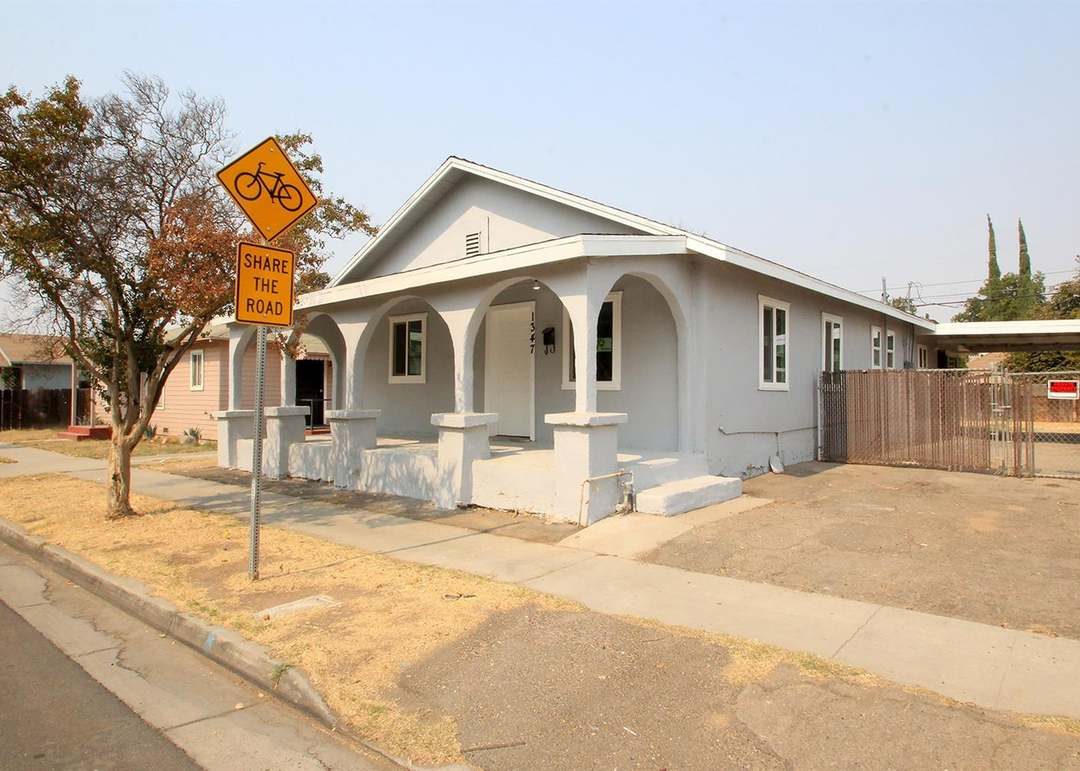
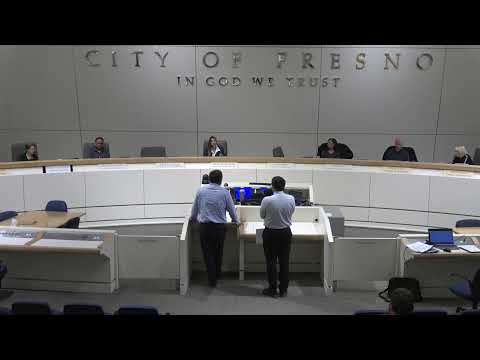
Fresno's Building Standards Appeals Board continued the 1347 E. Shields Ave. case again on Oct. 20 rather than doubling fines, according to the meeting record. The docket lists the item as continued and shows no new hearing date.

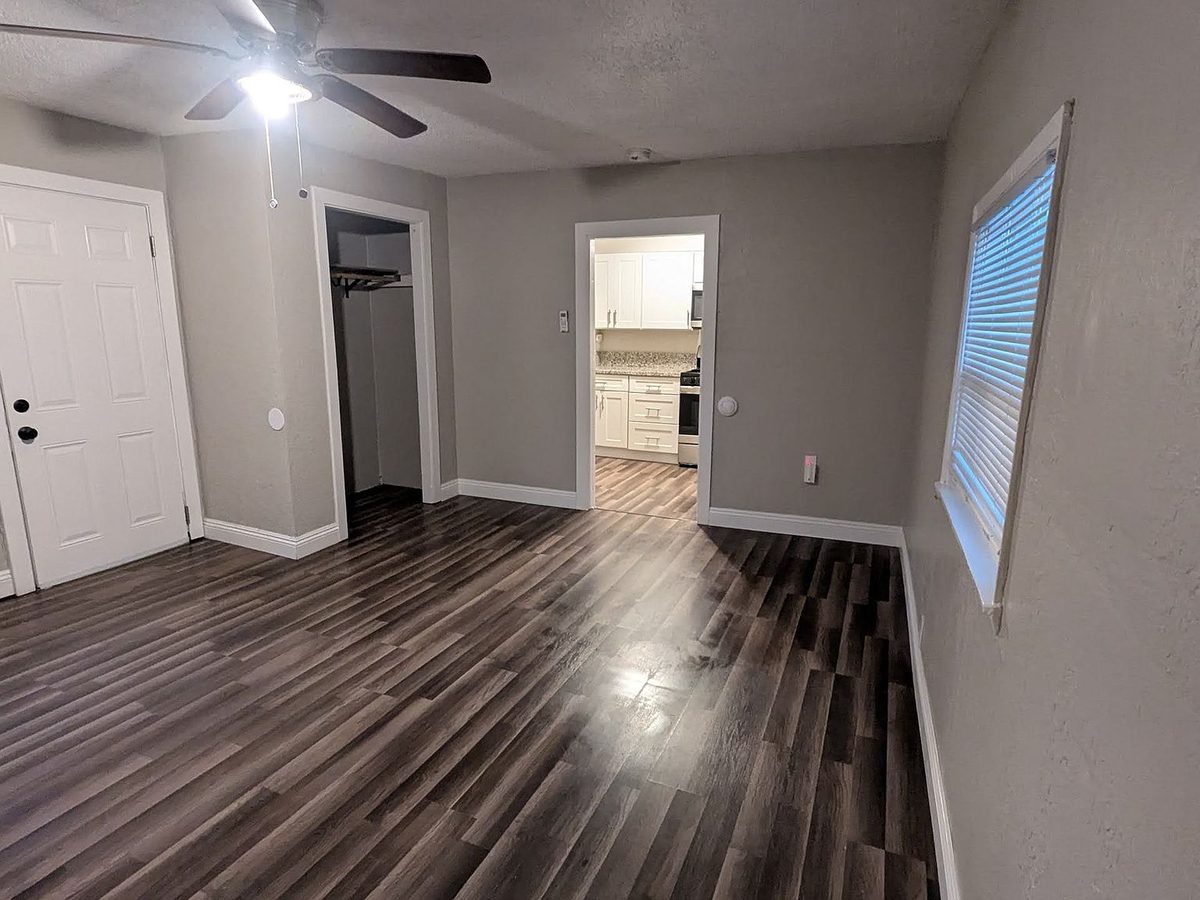
The owner told the city on Sept. 30 that she had hired a draftsman, filing a contract with Motmots.net LLC dated Aug. 27. Two patios, one covered and one enclosed into a bedroom, were built without permits. City planning says the converted second unit needs its own address and a planning review.

Why it matters

Twice now the board has waited for permits instead of doubling fines, shaping how Fresno penalizes unpermitted conversions.

Last Monday's email for Fresno, CA

Sent Nov 9. It carried:

Get next Monday's: one short email a week. Free. Unsubscribe in one click.

Questions about this story

Free account needed to ask — your question is kept and asked for you right after sign-up. Answers are public.

No questions yet — be the first to ask.

Key Indicators

2
Violations cited
Unpermitted covered patio and enclosed patio at 1347 E. Shields Ave.
11
Months case has been open
From the Dec. 2, 2025 complaint to late October 2026.
1
Draftsman hired
Owner's contract with Motmots.net LLC, dated Aug. 27, 2026.
2
Continuances granted
The board set the case over on Aug. 18 and again on Oct. 20, 2026.

Voices

Curated perspectives — historical figures and your fellow readers.

Sign up to generate historical perspectives on this story.

People Involved

Organizations Involved

Timeline

May 2025 November 2026

12 events Latest: November 3rd, 2026 · 1 week ago Showing 8 of 12
Tap a bar to jump to that date
  1. Fresno creates building appeals board

    Policy

    City Council Resolution 2025-149 establishes the Building Standards Appeals Board.

Scenarios

1

Board orders double fines for uncorrected violations

Possible Resolves by Nov 15, 2026

Discussed by: Fresno Municipal Code Section 1-409(f) procedures; Deputy City Attorney's office recommendation

If the owner has not fixed the unpermitted patios and cannot show substantial progress, the board must impose double the maximum fines plus all allowable costs. This would be the first penalty escalation in the case and would likely stall the ADU path unless planning approves it separately.

2

Board continues hearing as planning reviews ADU path

Likely Resolves by Jan 31, 2027

Discussed by: Deputy City Attorney Christina Piña's Aug. 18 statement

The owner completed an ADU assessment and planning consultation; planning is determining the applicable code year. If that work is still underway, the board may find substantial progress and continue the hearing again, keeping the legalization path open.

3

Board finds violations fully corrected, closes case

Unlikely Resolves by Nov 15, 2026

Discussed by: Fresno Municipal Code Section 1-409(f) procedures

If the owner obtained permits for the patios or removed them, the board would close the case. The ADU assessment suggests a legalization path rather than removal, making full correction the least likely near-term outcome.

4

Owner pulls permits for the patios and the board closes the case

Possible Resolves by Apr 30, 2027

Discussed by: City planning's ADU assessment and the owner's Aug. 27 contract with a draftsman

The draftsman finishes plans, planning assigns the second unit its own address, and the city issues permits for the covered and enclosed patios. Permits would let the board find the violations corrected at a later hearing.

Historical Context

2 moments from history that rhyme with this story — and how they unfolded.

mid-2000s

San Francisco's Pink Palace (mid-2000s)

A family built a large house in San Francisco's Sunset District without required permits. The city ordered the unpermitted portions removed, and the owner painted the structure pink in protest, drawing national attention.

Then

The enforcement fight dragged on for years through hearings and litigation, with the building becoming a local landmark.

Now

The structure ultimately stayed, showing how long unpermitted construction battles can run and how public attention can shape enforcement.

Why this matters now

Like the Shields Avenue owner, the Pink Palace homeowner fought the city rather than comply. Fresno's case is gentler — the ADU assessment opens a legalization path, so the likely resolution is a permit, not demolition.

2000s-2010s

California's informal-housing enforcement wave (2000s–2010s)

Cities across California discovered thousands of unpermitted garage, patio, and backyard units filling gaps in tight housing markets. Enforcement responses ranged from demolition orders to amnesty programs that let owners legalize units they had built.

Then

Property owners faced fines and removal orders, while cities raced to count the scale of informal housing.

Now

The state later loosened accessory dwelling unit rules, giving owners a clearer path to legalize second units rather than tear them down.

Why this matters now

Fresno's choice between double fines and ADU legalization mirrors this statewide tension between enforcing building codes and preserving badly needed housing.

Sources

(9)