
Pull to refresh
Logo
Candlestick megaproject breaks ground after 18-year delay

Candlestick megaproject breaks ground after 18-year delay

Built World San Francisco, CA local

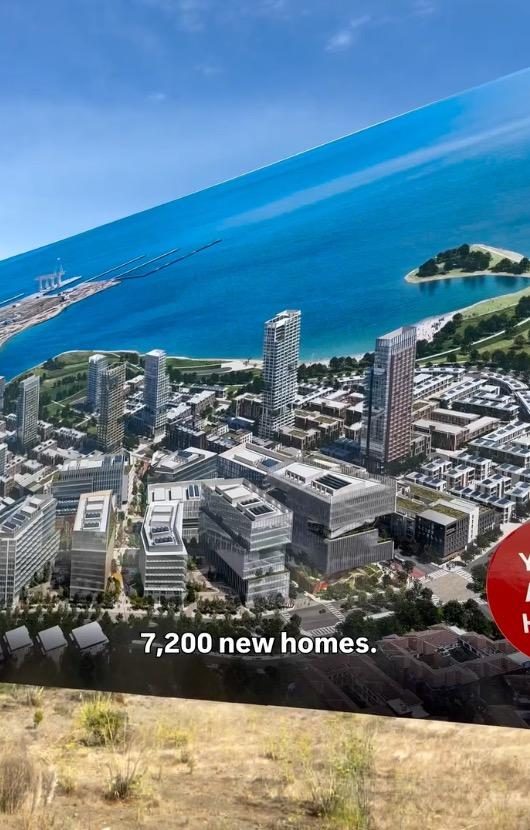
FivePoint starts roads and utilities for 675 homes; the full 7,218-home plan runs to 2048

2 days ago: Groundbreaking at Candlestick Point

Overview

Updated 2 days ago

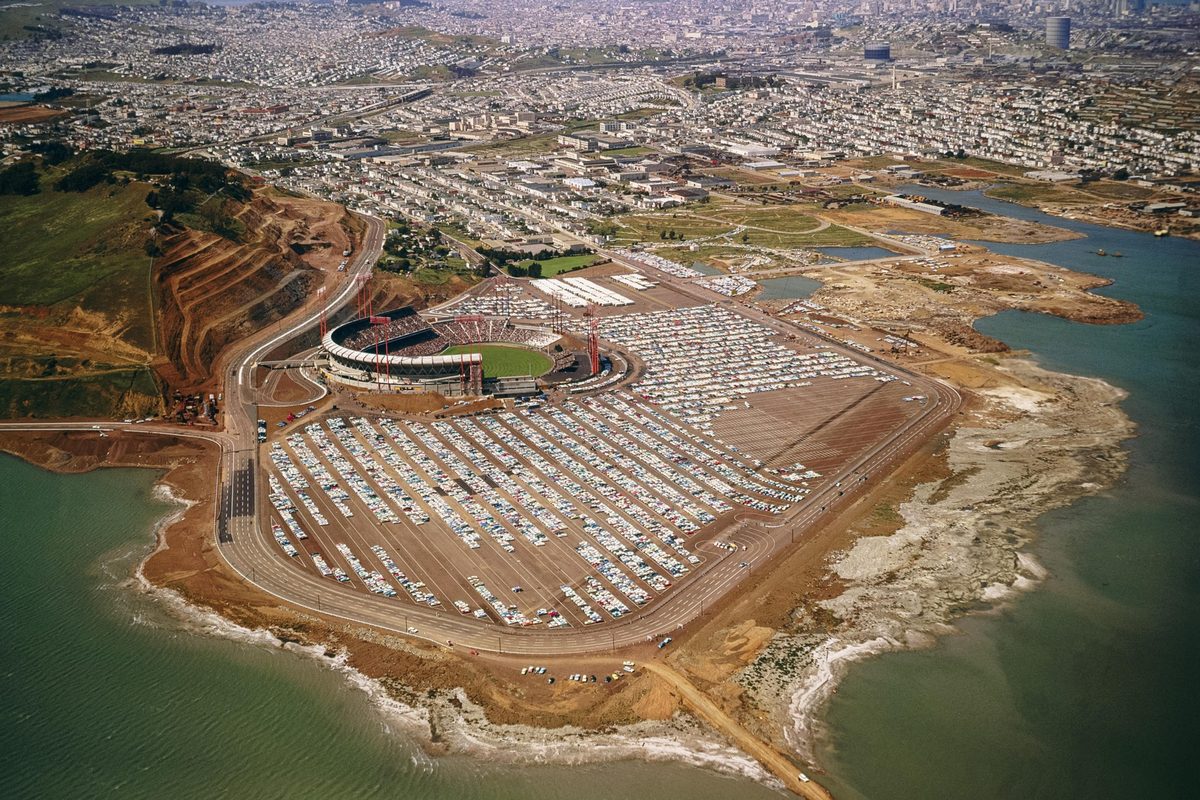
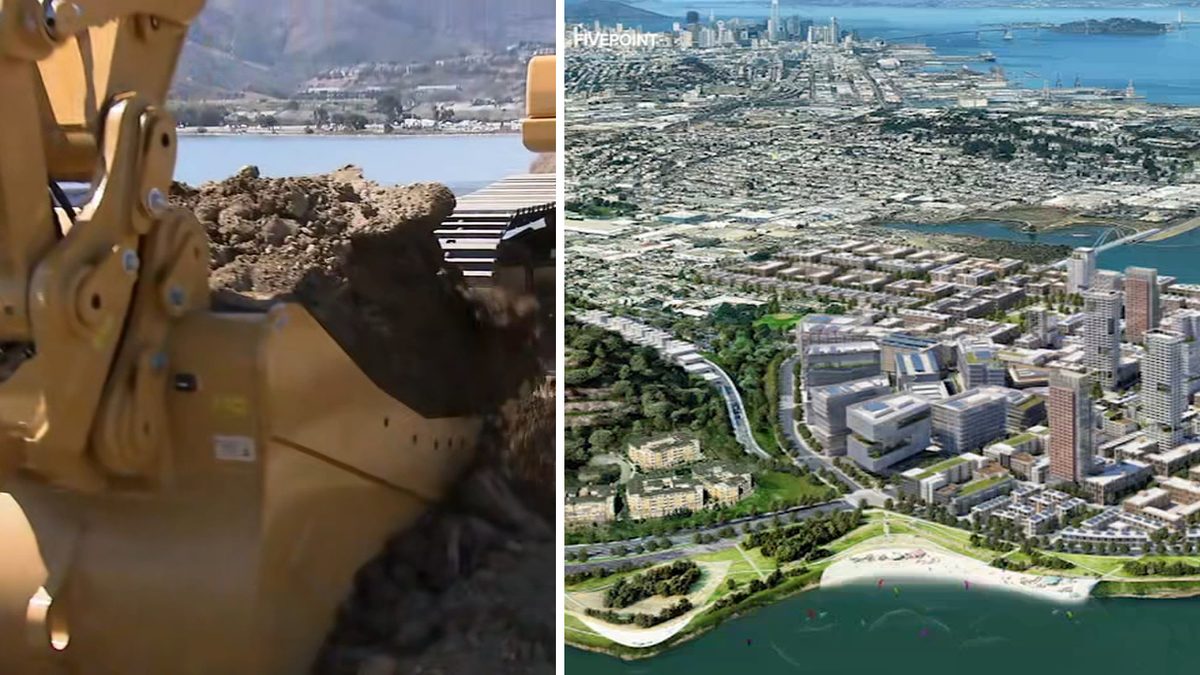
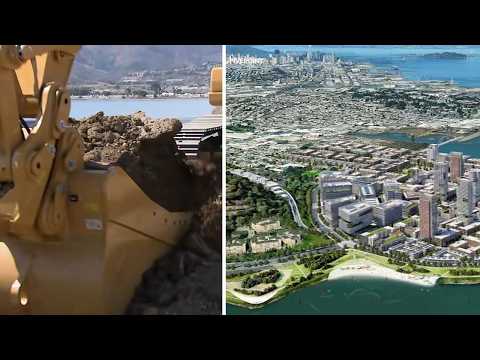
After 18 years of planning, the site of the demolished Candlestick Park finally gets construction crews in September 2026. FivePoint starts roads and utilities for about 675 homes — the first slice of a 7,218-home master plan on 270 acres in the Bayview.

The project is one of the Bay Area's largest urban infill developments, and a test of whether master-planned districts can relieve San Francisco's housing shortage. The city has built fewer than 4,000 homes a year for the past five years. The full buildout runs to 2048, with a central park scheduled for 2042.

Why it matters

If built, 7,218 homes would roughly equal two years of San Francisco's housing output — a test of whether mega-projects can break the city's building stall.

Questions about this story

Free account needed to ask — your question is kept and asked for you right after sign-up. Answers are public.

No questions yet — be the first to ask.

Key Indicators

7,218
Homes planned at full buildout
Master plan across 270 acres on the former stadium site.
$130M
First-phase infrastructure cost
Paid by FivePoint up front, reimbursed through future property tax revenue.
$3.3B
Bond debt ceiling authorized
Raised by the Board of Supervisors in October 2024; repayment runs to 2070.
<4,000
SF's average annual housing production
Average homes per year delivered citywide over the past five years.

Voices

Curated perspectives — historical figures and your fellow readers.

Ever wondered what historical figures would say about today's headlines?

Sign up to generate historical perspectives on this story.

People Involved

Organizations Involved

Timeline

June 2008 September 2026

11 events Latest: 2 days ago Showing 8 of 11
Tap a bar to jump to that date
  1. Groundbreaking at Candlestick Point

    Latest Milestone

    FivePoint starts roads and utilities for about 675 homes, the first phase of 7,218 planned.

  2. Final subdivision map approved

    Approval

    Final subdivision map approved, creating recordable parcels for construction.

  3. Street names approved

    Approval

    Board names 24 streets at Candlestick Point and renames Bill Walsh Way to Giants Drive.

  4. Financing restructured, shipyard decoupled

    Financing

    Board raises bond ceiling to $3.3B and separates Candlestick from Hunters Point.

  5. Outlet mall plans scrapped

    Plan Change

    The planned outlet mall is scrapped as online retail erodes demand.

  6. Candlestick Park demolished

    Milestone

    Demolition of Candlestick Park is completed, leaving a vacant 270-acre site.

  7. 49ers' final game at Candlestick

    Milestone

    49ers play their final game at Candlestick Park.

  8. Lennar entitlements approved

    Approval

    Board of Supervisors approves Lennar entitlements and environmental report, 8-3.

  9. Santa Clara approves 49ers stadium

    Ballot Measure

    Santa Clara voters approve a new 49ers stadium, sealing the team's exit.

  10. Voters approve Prop G

    Ballot Measure

    Voters pass Prop G, 62.5%, authorizing redevelopment of Candlestick and Hunters Point.

Scenarios

1

First Candlestick homes rise as infrastructure completes

Likely Resolves by End of 2028

Discussed by: San Francisco Standard, CRE Daily

FivePoint expects the horizontal infrastructure — roads, utilities, and public spaces for the first seven blocks — to finish within two years of the September 2026 start. If that holds, homebuilders buying entitled parcels could begin vertical construction by 2029. A steady series of parcel sales to builders would confirm the model is working.

2

Candlestick stalls again as financing falters

Possible Resolves by Q2 2027

Discussed by: Houseberry, CRE Daily

The project relies on tax-increment reimbursement, and condo values remain below pre-pandemic levels in San Francisco. If interest rates or office demand sour, FivePoint could slow the infrastructure work beyond the two-year target or postpone parcel sales. That would repeat the pattern of delays that followed the 2010 entitlement.

3

AI anchor tenant commits to Candlestick Center Innovation District

Possible Resolves by End of 2027

Discussed by: San Francisco Standard, CRE Daily

The October 2024 restructuring replaced the scrapped outlet mall with two million square feet of offices marketed as the Candlestick Center Innovation District, reportedly to an unnamed AI tenant. A major office lease would validate the commercial side of the plan the way AI and life-science firms did at Mission Bay. Without one, the project leans entirely on housing.

Historical Context

3 moments from history that rhyme with this story — and how they unfolded.

1991–2020s

Mission Bay (1991–2020s)

San Francisco rezoned 300 acres of rail yards south of downtown in 1991 for the city's largest infill project. Decades of infrastructure work followed, with UCSF's campus anchoring the district.

Then

Slowed by the dot-com bust and the 2008 crash, Mission Bay is now fully built out with condos, biotech labs, and AI offices.

Now

Showed that large San Francisco infill projects take decades but can create a dense new neighborhood.

Why this matters now

Candlestick follows the same playbook at a comparable scale, but starts with more housing and less commercial anchor.

1999–2020s

Stapleton, Denver (1999–2020s)

Denver redeveloped its closed airport into a 12,000-home, master-planned neighborhood over two decades, including parks and transit.

Then

Stapleton became a national model for transit-oriented infill, with density and amenities delivered in phases.

Now

Demonstrated that airport- and stadium-scale infill can shift a metro's housing supply if the timeline is accepted.

Why this matters now

Shows what a 7,000-plus-home infill district looks like when it succeeds — and the long timeline residents must accept.

2002–present

El Toro Marine Corps Air Station (2002–present)

FivePoint (then Lennar's urban division) redeveloped the closed Marine Corps Air Station El Toro in Irvine into the Great Park and 2,100 acres of homes.

Then

Became the template for FivePoint's infrastructure-first model: build roads and utilities, sell entitled parcels to builders.

Now

Proved the parcel-sale and tax-increment model works across a full buildout cycle.

Why this matters now

It's the same revenue model FivePoint is applying at Candlestick, at roughly one-eighth the acreage.

Sources

(3)