
Pull to refresh
Logo
Cultural Destinations LLC licensed for mobile food operation in Saint Paul

Cultural Destinations LLC licensed for mobile food operation in Saint Paul

New Capabilities Saint Paul, MN local

The cultural business platform holds a state mobile food handler license on record in Saint Paul

2 days ago: Mobile food handler license on record

Overview

Updated 2 days ago

Cultural Destinations LLC, a Saint Paul platform promoting culturally-owned businesses, holds a Minnesota mobile food handler license. State records list it at two Saint Paul addresses, Snelling Avenue and Parkview Avenue, so the organization can run a mobile food business.

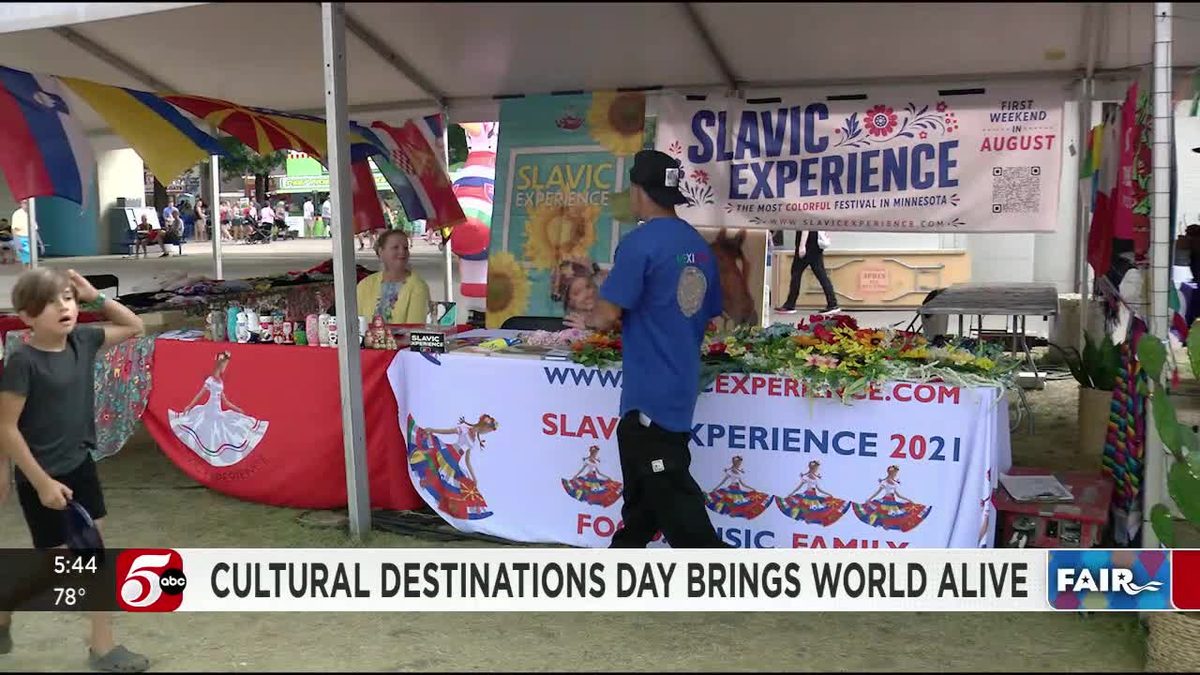
The license follows the group's first Cultural Destinations Day at the State Fair on September 6. Its fair boutique has hosted almost 100 cultural businesses over four years and returns 85% of sales to entrepreneurs.

Why it matters

The license lets Cultural Destinations sell food directly, expanding its mission to support immigrant and minority-owned businesses.

Questions about this story

Free account needed to ask — your question is kept and asked for you right after sign-up. Answers are public.

No questions yet — be the first to ask.

Key Indicators

Mobile food handler
License type
State license permitting operation of a mobile food business
85%
Sales revenue to entrepreneurs
Share of Cultural Destinations Boutique sales that goes directly to the businesses selling there
Almost 100
Cultural businesses hosted at the fair boutique
Small cultural businesses that have sold through the boutique over four years

Voices

Curated perspectives — historical figures and your fellow readers.

Ever wondered what historical figures would say about today's headlines?

Sign up to generate historical perspectives on this story.

People Involved

Organizations Involved

Timeline

2 events Latest: 2 days ago
  1. Mobile food handler license on record

    Latest Licensing

    Minnesota records show Cultural Destinations LLC holds a mobile food handler license at 1265 Snelling Ave N.

  2. First Cultural Destinations Day at Dan Patch Park

    Event

    The State Fair hosted the first Cultural Destinations Day, with music, dance, and food from local cultural festivals.

Scenarios

1

Cultural Destinations LLC activates mobile food license

Likely Resolves by End of 2026

Discussed by: Local food and business media, including KSTP.com

The organization begins operating a food truck or vending unit at public events, using the license to sell cultural food directly. This could happen within months as it expands beyond State Fair appearances.

2

License remains dormant

Unlikely Resolves by Sep 10, 2027

Discussed by: Not currently predicted by any publication

The license stays on file but Cultural Destinations does not operate a mobile food business, perhaps because it focuses on its directory and event promotion rather than direct sales.

3

Cultural Destinations applies for the Saint Paul-Ramsey County mobile food vehicle license

Likely Resolves by End of 2026

Discussed by: CityRuleLookup and StreetLegal permit guides

The state food handler license is one step. Vending in Saint Paul also requires the county's Mobile Food Vehicle License, a commissary agreement, and an inspection. Whether Cultural Destinations completes that step will show if it plans to actually run a truck.

Historical Context

2 moments from history that rhyme with this story — and how they unfolded.

June 2011

Smorgasburg opens in Brooklyn (2011)

The outdoor food market launched in Williamsburg, drawing crowds with dozens of vendors selling international street food.

Then

The market grew to multiple locations and became a launching pad for small food businesses.

Now

It expanded the profile of immigrant and ethnic food vendors, proving there is demand for authentic cultural food experiences.

Why this matters now

Illustrates how cultural food platforms can gain visibility and revenue through direct sales, a model Cultural Destinations could replicate with its mobile license.

July 2012

Chicago food truck ordinance (2012)

Chicago passed an ordinance legalizing food trucks, ending years of restrictions that required mobile vendors to park far from brick-and-mortar restaurants.

Then

Hundreds of food trucks launched in the city, offering diverse cuisines.

Now

Chicago's street food scene grew into a major part of its culinary identity, creating new entry points for immigrant entrepreneurs.

Why this matters now

Shows how licensing changes can unlock mobile food businesses for culturally diverse vendors, similar to the opportunity now available to Cultural Destinations.

Sources

(11)