

Pull to refresh
Logo
New general merchandise vendor licensed at St. Paul's Hmongtown Marketplace

New general merchandise vendor licensed at St. Paul's Hmongtown Marketplace

Money Moves Saint Paul, MN local

Xiong Kia Lee Dba General Merchandise licensed for food handler retail at 217 Como Ave, home to 200+ vendors

August 29th, 2026: New vendor license on record

Overview

Updated Sep 4

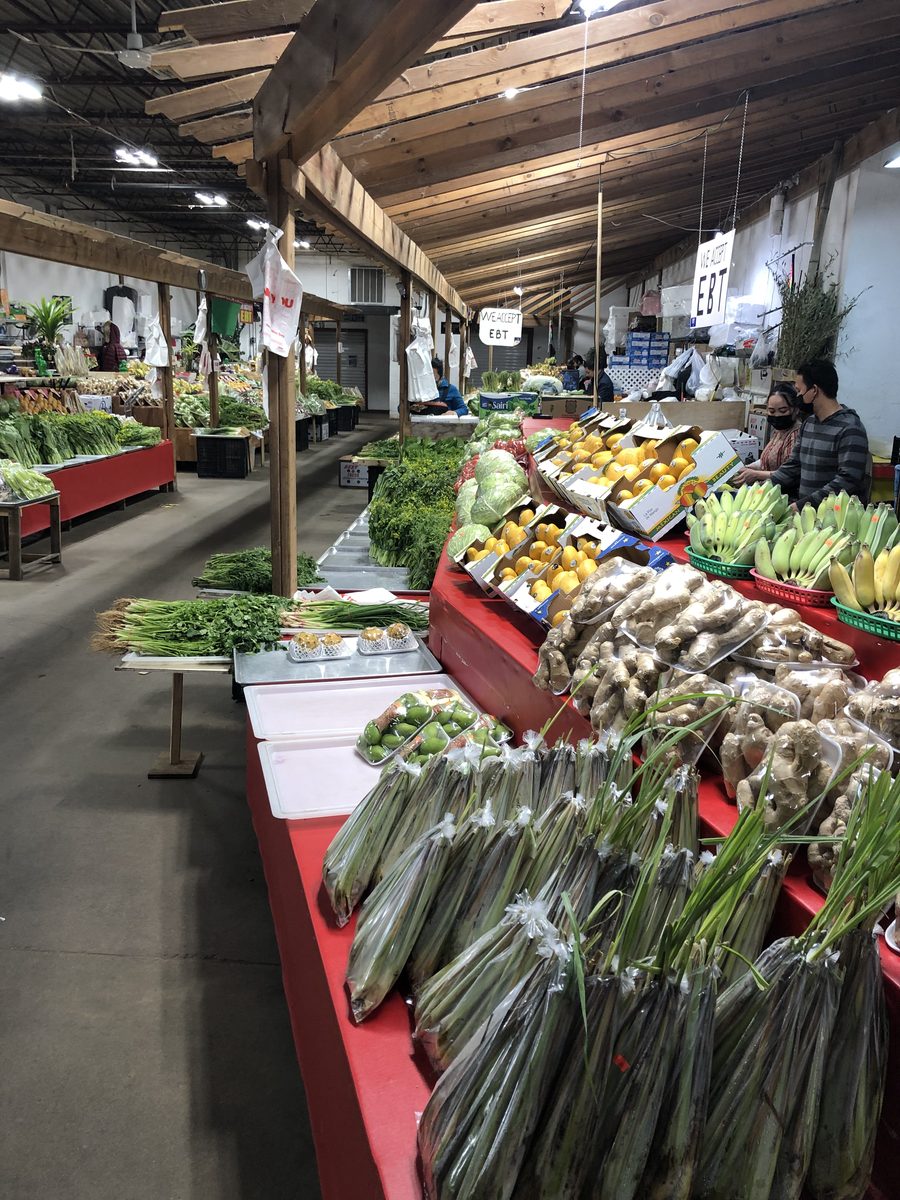
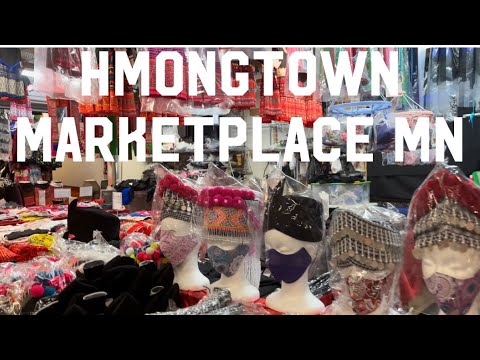
A new general merchandise vendor is cleared to open at Hmongtown Marketplace, the first Hmong-owned and operated marketplace in the United States. The Minnesota Department of Agriculture's food handler retail license for Xiong Kia Lee Dba General Merchandise appeared on the agency's list on August 29, 2026.

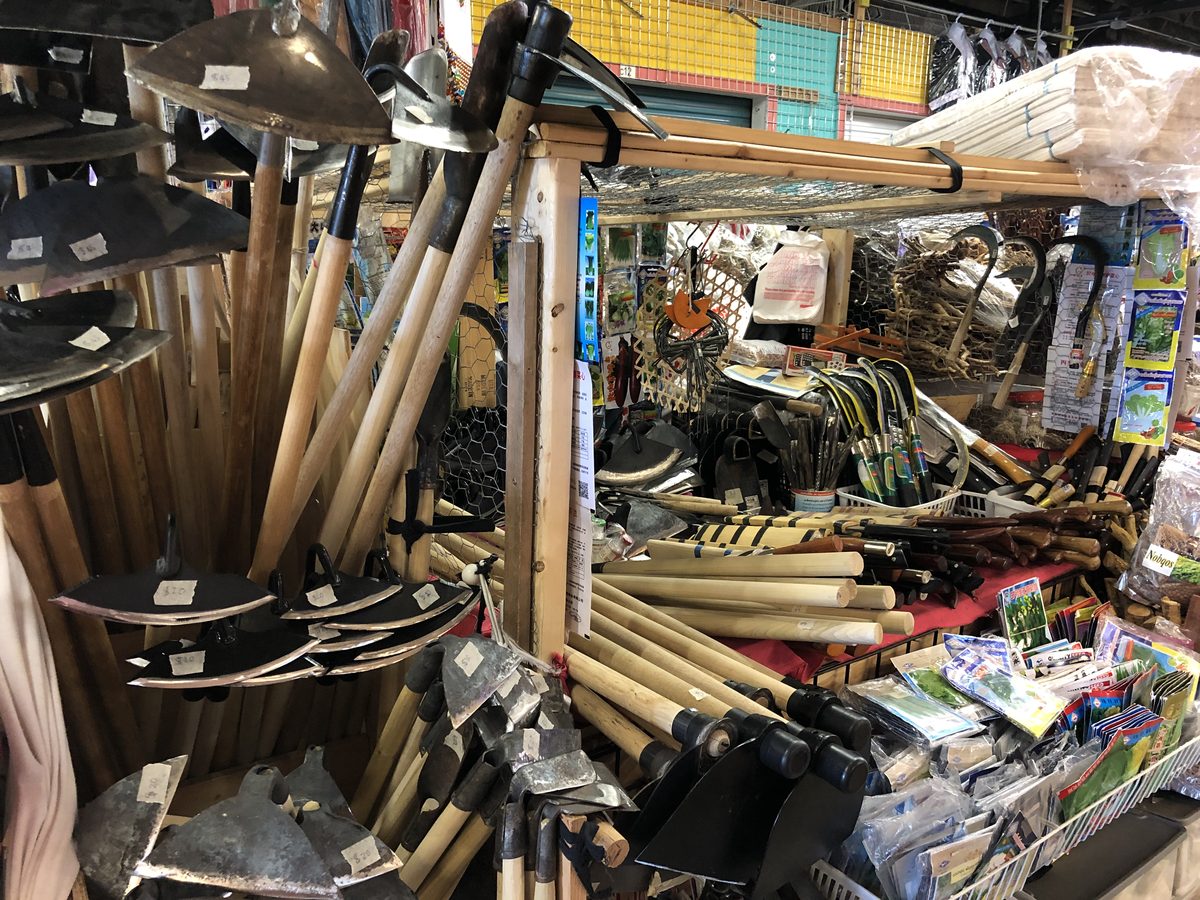
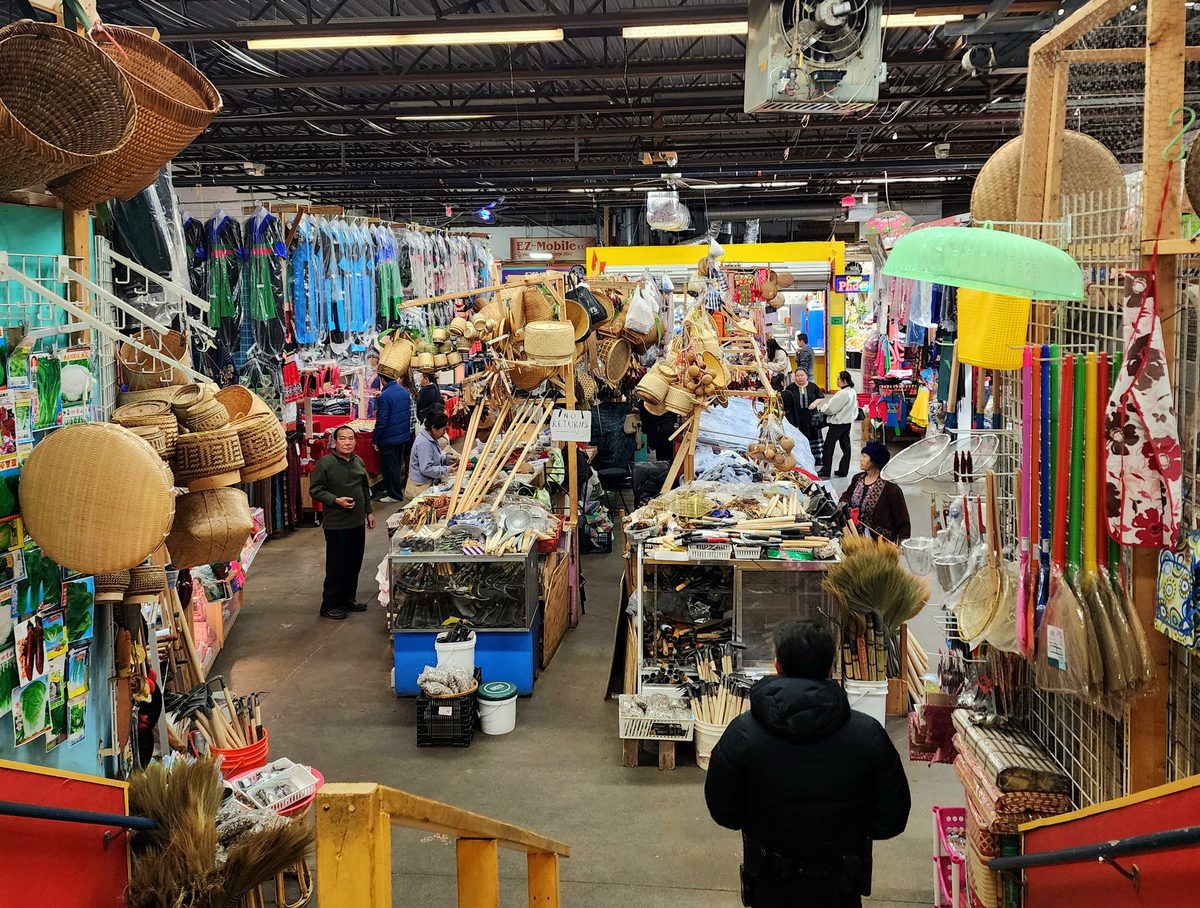
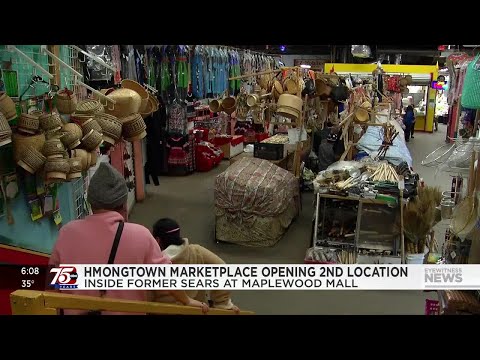
The license covers 217 Como Ave #203 in St. Paul's Frogtown neighborhood, where the marketplace has operated since 2004. It's a small but concrete sign that the 200+ vendor cultural hub continues to attract new entrepreneurs.

Why it matters

A new vendor at Hmongtown Marketplace shows the first Hmong-owned US marketplace still draws entrepreneurs, keeping the Frogtown hub viable.

Questions about this story

Free account needed to ask — your question is kept and asked for you right after sign-up. Answers are public.

No questions yet — be the first to ask.

Key Indicators

200-300
Vendors at Hmongtown Marketplace
The marketplace has hosted 200-300 vendors since opening in 2004.
22
Years since Hmongtown Marketplace opened
Opened in 2004 as the first Hmong-owned marketplace in the US.

Voices

Curated perspectives — historical figures and your fellow readers.

Ever wondered what historical figures would say about today's headlines?

Sign up to generate historical perspectives on this story.

People Involved

Organizations Involved

Timeline

2004 August 2026

2 events Latest: August 29th, 2026 · 2 weeks ago
  1. New vendor license on record

    Latest Licensing

    Food handler retail license for Xiong Kia Lee Dba General Merchandise appears on Minnesota Department of Agriculture list.

  2. Hmongtown Marketplace opens in St. Paul

    Opening

    First Hmong-owned and operated marketplace in the US opens at 217 Como Ave.

Scenarios

1

Vendor opens and operates at Hmongtown Marketplace

Likely Resolves by Feb 28, 2027

Discussed by: Local business observers; the license is a required first step for operating

Xiong Kia Lee Dba General Merchandise opens at 217 Como Ave #203 and begins operating. The food handler retail license clears the business to sell food items. The vendor joins 200-300 other businesses at the marketplace.

2

License obtained but vendor doesn't open

Possible Resolves by Feb 28, 2027

Discussed by: Not a common scenario, but licenses can be obtained without opening

The license is on record but the business never actually opens at the marketplace. This can happen if the operator decides not to proceed, or if the space isn't ready.

3

Vendor opens but closes within a year

Possible Resolves by Aug 29, 2027

Discussed by: Small vendors at marketplaces often face high turnover

The vendor opens but doesn't last a full year. This is common among small marketplace vendors who face competition and thin margins.

Historical Context

3 moments from history that rhyme with this story — and how they unfolded.

1975-1990s

Hmong resettlement in Minnesota (1975-1990s)

After the Vietnam War, tens of thousands of Hmong refugees resettled in Minnesota, many in St. Paul. The community built businesses and institutions, including the marketplace that opened in 2004.

Then

The Hmong community established a strong presence in St. Paul's Frogtown and surrounding neighborhoods.

Now

Minnesota became home to one of the largest Hmong populations in the US, with a thriving entrepreneurial ecosystem.

Why this matters now

The new vendor is part of this broader pattern of Hmong American entrepreneurship in St. Paul.

2004

Hmongtown Marketplace opens (2004)

Toua Xiong opened Hmongtown Marketplace at 217 Como Ave in St. Paul, creating the first Hmong-owned and operated marketplace in the United States. It started as a hub for Hmong American vendors selling food, produce, and cultural goods.

Then

The marketplace quickly grew, attracting hundreds of vendors and becoming a cultural landmark in the Frogtown neighborhood.

Now

It became a model for ethnic enclave marketplaces and a key economic engine for the Hmong American community in Minnesota.

Why this matters now

This is the venue where the new vendor is licensed to open, and the marketplace's success is what makes the location attractive.

1980s

Little Saigon, Orange County (1980s)

Vietnamese refugees built a commercial district in Orange County, California, that became a model for ethnic enclave entrepreneurship. It grew from small shops to a major economic and cultural hub.

Then

Little Saigon became a destination for Vietnamese American goods and services.

Now

It demonstrated how refugee communities can build self-sustaining commercial districts.

Why this matters now

Hmongtown Marketplace follows a similar pattern of refugee community entrepreneurship, and new vendors like this one keep it viable.

Sources

(5)