

Pull to refresh
Logo
Meng Store cleared for food handling at Saint Paul's Hmong Village

Meng Store cleared for food handling at Saint Paul's Hmong Village

Money Moves Saint Paul, MN local

New food retailer joins a 200-vendor Asian marketplace on the East Side

2 days ago: Meng Store licensed for food retail at Hmong Village

Overview

Updated 2 days ago

Meng Store has cleared a food-handler license to operate at 1001 Johnson Parkway, unit A16 inside Saint Paul's Hmong Village. The Minnesota Department of Agriculture lists the business as cleared to handle food at retail, without saying when the store will open.

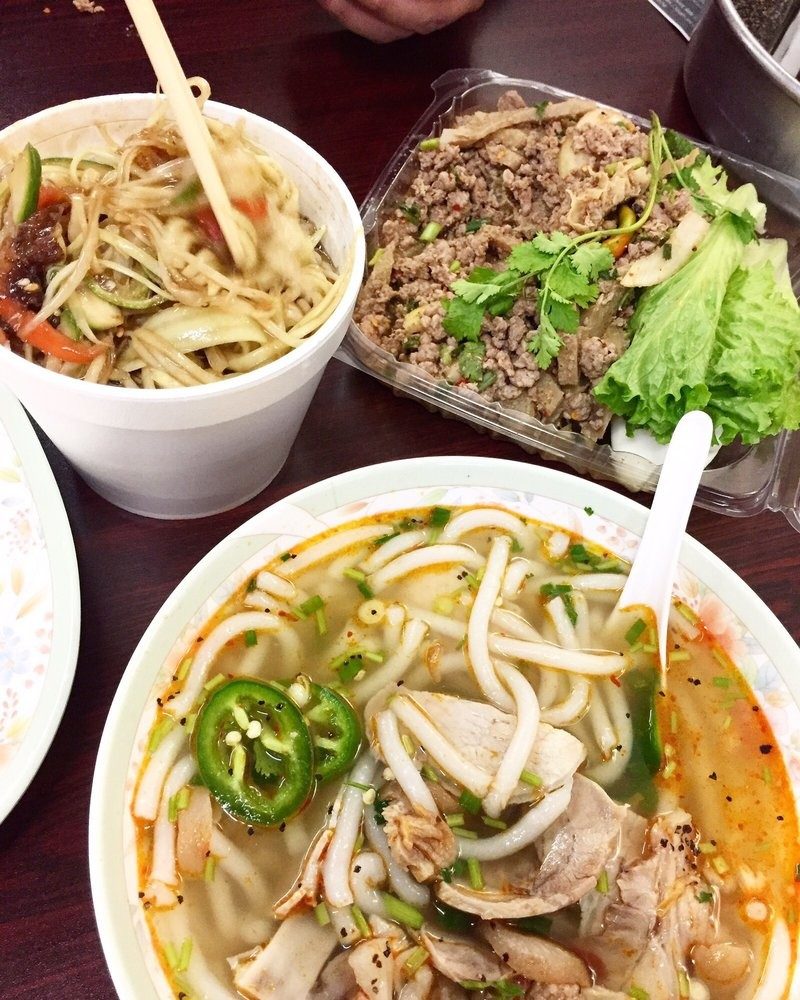
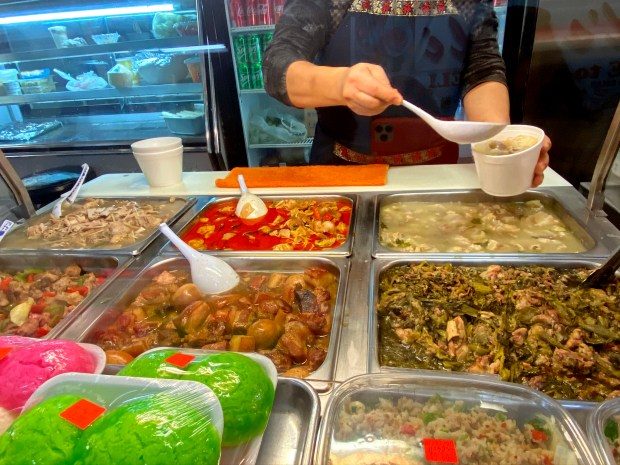
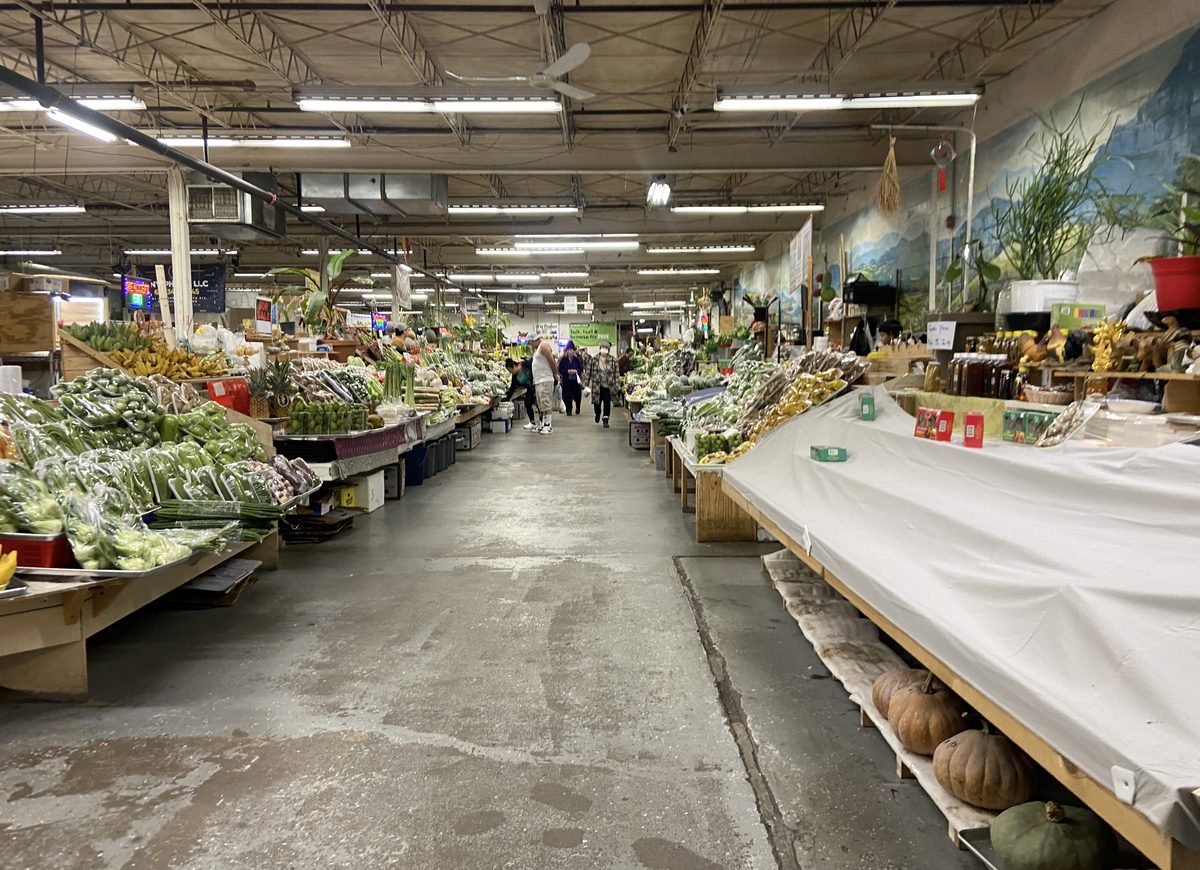
The license is a small step, but it lands in a large machine. Hmong Village packs more than 200 vendors into a former Rainbow Foods store on the East Side, anchoring the largest Hmong population in any US city. Each new tenant adds foot traffic that keeps smaller stalls viable.

Why it matters

Every new vendor at Hmong Village strengthens Saint Paul's chief economic hub for Hmong-owned small businesses and immigrant food entrepreneurship.

Questions about this story

Free account needed to ask — your question is kept and asked for you right after sign-up. Answers are public.

No questions yet — be the first to ask.

Key Indicators

200+
Vendors at Hmong Village
Total vendor stalls per the market's official site.
17
Restaurant stalls at Hmong Village
Food vendors operating inside the market.
20%
Saint Paul residents born abroad
Foreign-born share of the city population in the 2020 census.

Voices

Curated perspectives — historical figures and your fellow readers.

Ever wondered what historical figures would say about today's headlines?

Sign up to generate historical perspectives on this story.

People Involved

Organizations Involved

Timeline

2004 September 2026

3 events Latest: 2 days ago
  1. Meng Store licensed for food retail at Hmong Village

    Latest Regulatory

    Food-handler license record for Meng Store appears on the Minnesota Department of Agriculture's public list.

  2. Hmong Village opens on Johnson Parkway

    Opening

    Investors convert a closed Rainbow Foods store at 1001 Johnson Parkway into a market that grows past 200 vendors.

  3. Hmongtown Marketplace opens in former Kmart

    Opening

    First US Hmong market opens on Como Avenue, proving a vacant big-box store can host refugee vendors.

Scenarios

1

Meng Store opens for business inside Hmong Village

Likely Resolves by Mar 1, 2027

Discussed by: Local food and business reporters covering the East Side (Sahan Journal, Twin Cities Pioneer Press)

The food-handler license clears the regulatory path. If the operator stocks shelves and opens unit A16, the store shows up in Hmong Village directories, customer reviews, or restaurant listings. Most licensed food retailers in the market do open, since the license follows a lease commitment.

2

Meng Store delays or abandons the opening

Unlikely Resolves by Mar 1, 2027

Discussed by: Market watchers citing thin margins for small food vendors

If the operator cannot cover fit-out costs or staffing, the license can sit unused and lapse. Units at Hmong Village turn over when vendors close because foot traffic does not cover rent. The license record alone does not guarantee a launch.

3

Hmong Village keeps adding food tenants through 2027

Possible Resolves by Sep 10, 2027

Discussed by: Visit Saint Paul and market organizers tracking the East Side economy

Beyond Meng Store, additional food-handler licenses and new vendor stalls would extend the market's post-pandemic recovery. The broader signal is whether the 200-vendor base grows, not just whether one store opens.

Historical Context

3 moments from history that rhyme with this story — and how they unfolded.

2004

Hmongtown Marketplace opens (2004)

Entrepreneur Toua Vang converted a shuttered Kmart on Como Avenue into Hmongtown Marketplace, the nation's first Hmong market. Dozens of refugee vendors sold produce, fabric, and cooked food from one-time department-store aisles.

Then

The market drew large crowds and proved a vacant big-box store could carry immigrant small business.

Now

It set the template that Hmong Village later expanded at a bigger scale.

Why this matters now

Hmongtown showed that converting closed retail space into an ethnic market works; Hmong Village is the larger second act.

2006

Midtown Global Market opens (2006)

In Minneapolis, a redeveloped former Sears building opened as Midtown Global Market, housing immigrant food businesses from East Africa, Southeast Asia, and Latin America.

Then

The market drew nationwide attention and revived a struggling commercial corridor on Lake Street.

Now

It became a model for using retail markets to rebuild under-served neighborhoods.

Why this matters now

It is a sibling Twin Cities project showing how old retail shells become working immigrant markets, the same mechanism Hmong Village keeps using.

2010

Hmong Village opens (2010)

Investors converted a closed Rainbow Foods grocery at 1001 Johnson Parkway into Hmong Village, which grew past 200 vendors with dozens of food stalls, produce stands, and clothing shops.

Then

It became the largest Hmong market in the Midwest and a daily gathering place on the East Side.

Now

It anchors a neighborhood economy and serves as a hiring and mentoring hub for immigrant entrepreneurs.

Why this matters now

Meng Store's license is the latest step in the market's ongoing absorption of new small food vendors.

Sources

(3)