
Pull to refresh
Logo
The race to protect 27 million Americans from accidental food allergen exposure

The race to protect 27 million Americans from accidental food allergen exposure

Money Moves

GSK's $2.2 Billion RAPT Acquisition Signals Big Pharma's Bet on IgE Blockade

January 20th, 2026: GSK announces $2.2B RAPT Therapeutics acquisition

Overview

Updated May 22

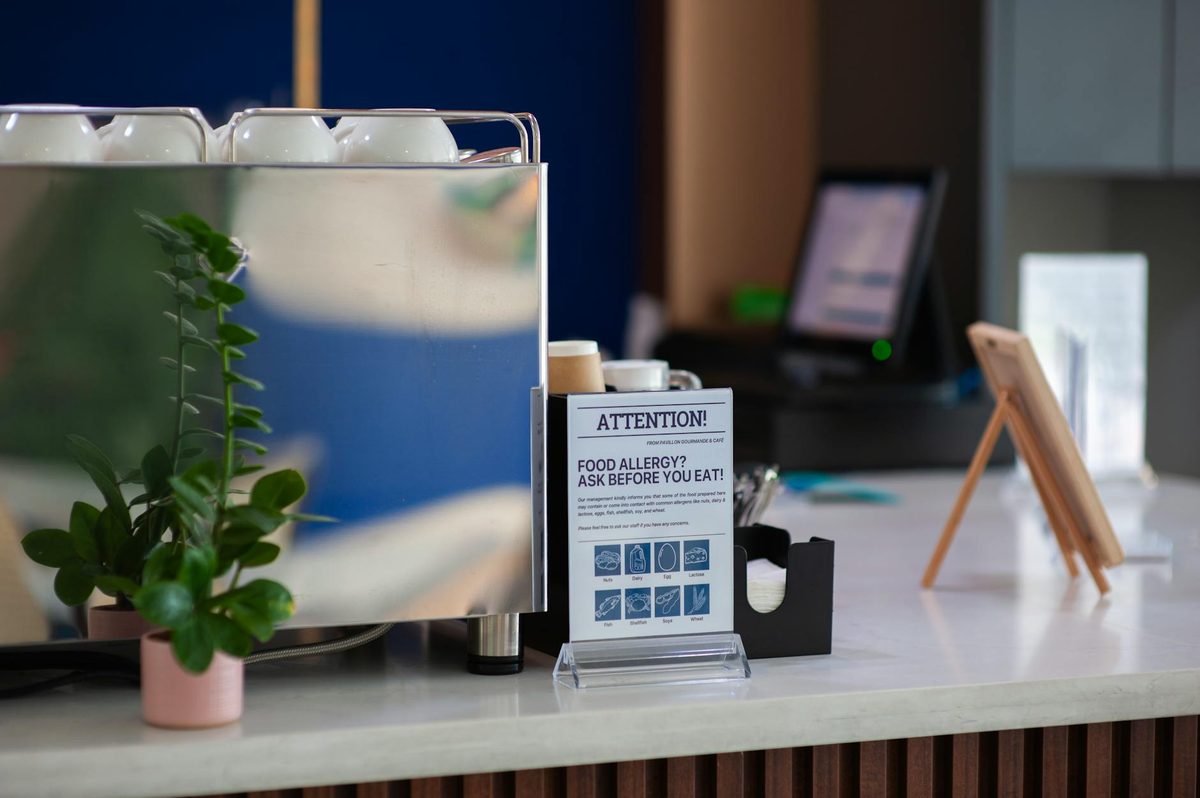
For decades, the 27 million American adults and children with food allergies had one option: avoid the allergen and carry an EpiPen. That changed in February 2024 when the FDA approved Xolair as the first drug to reduce allergic reactions—including anaphylaxis—from accidental exposure to multiple foods.

Now GSK has paid $2.2 billion for RAPT Therapeutics and its experimental antibody ozureprubart, betting it can build a better version with once-quarterly dosing instead of Xolair's every-two-to-four-week schedule. The acquisition marks new CEO Luke Miels' first major move since taking the helm on January 1, 2026, and positions GSK to challenge Roche/Novartis's established Xolair franchise while racing against Novartis's oral BTK inhibitor remibrutinib.

GSK faces $230 billion in industry-wide patent losses by 2030, including its own $5.4 billion HIV blockbuster dolutegravir starting in 2028. The company is betting that the food allergy market, now $3.5 billion and projected to reach $9.2 billion by 2034, can help fill the gap.

Questions about this story

Free account needed to ask — your question is kept and asked for you right after sign-up. Answers are public.

No questions yet — be the first to ask.

Key Indicators

$2.2B
GSK acquisition price
65% premium over RAPT's closing price, with $1.9 billion net investment after cash adjustments
27M
Americans with food allergies
Nearly 11% of adults and 8% of children have at least one food allergy
12 weeks
Ozureprubart dosing interval
Potential best-in-class advantage vs. Xolair's 2-4 week dosing requirement
2027
Phase 2b data expected
prestIgE trial readout will determine ozureprubart's path forward

Voices

Curated perspectives — historical figures and your fellow readers.

Ever wondered what historical figures would say about today's headlines?

Sign up to generate historical perspectives on this story.

People Involved

Organizations Involved

Timeline

January 2020 January 2026

9 events Latest: January 20th, 2026 · 8 months ago
Tap a bar to jump to that date
  1. GSK announces $2.2B RAPT Therapeutics acquisition

    Latest M&A

    GSK to pay $58 per share (~65% premium) for RAPT, gaining global rights to ozureprubart outside Greater China. Deal expected to close Q1 2026.

  2. Luke Miels becomes GSK CEO

    Corporate

    Former Chief Commercial Officer takes the helm, inheriting challenge of offsetting looming patent losses on HIV blockbuster dolutegravir.

  3. RAPT initiates prestIgE Phase 2b trial

    Clinical

    Randomized, double-blind study of ozureprubart in ~100 food allergy patients across US, Canada, and Australia begins enrollment.

  4. GSK announces CEO transition

    Corporate

    Emma Walmsley to step down after nine years; Chief Commercial Officer Luke Miels named successor effective January 2026.

  5. Sanofi announces $9.1B Blueprint Medicines acquisition

    M&A

    French pharma acquires rare immunology specialist, signaling increased Big Pharma appetite for immunology assets.

  6. RAPT Therapeutics raises $150M to fund food allergy program

    Financing

    Post-IPO funding round supports ozureprubart development after company pivoted away from oncology following FDA clinical hold.

  7. FDA approves Xolair for food allergy prophylaxis

    Regulatory

    First medication approved to reduce allergic reactions, including anaphylaxis, from accidental exposure to multiple foods in adults and children age 1+.

  8. Nestlé abandons Palforzia after commercial failure

    Corporate

    Swiss food giant sold the peanut allergy drug to Stallergenes Greer after taking a 1.9 billion Swiss franc impairment charge, three years post-acquisition.

  9. Palforzia becomes first FDA-approved peanut allergy treatment

    Regulatory

    Aimmune Therapeutics' oral immunotherapy approved for ages 4-17. Nestlé completed $2.6 billion acquisition months later.

Scenarios

1

Ozureprubart Succeeds, GSK Captures Best-in-Class Position

Possible

Discussed by: Barclays analysts, GSK management guidance, MedCity News

prestIgE Phase 2b data in 2027 demonstrates superior efficacy and confirms the convenience advantage of 12-week dosing. GSK advances to Phase 3 in adult and pediatric populations. By 2030, ozureprubart captures significant market share from Xolair based on patient and physician preference for quarterly injections, generating $1-2 billion in peak annual sales and partially offsetting dolutegravir patent losses.

2

Phase 2b Data Disappoints, GSK Writes Down Investment

Possible

Discussed by: Barclays analysts (noting earlier-than-expected stage of asset), biotech investment analysts

Ozureprubart fails to demonstrate meaningful improvement over Xolair in efficacy or differentiation on convenience metrics doesn't translate to superior clinical outcomes. GSK takes an impairment charge similar to Nestlé's $1.9 billion Palforzia writedown, calling into question Miels' early acquisition strategy.

3

Oral Competitors Disrupt the Injectable Market

Uncertain

Discussed by: Northwestern University researchers, Novartis, allergy specialists

Novartis's oral BTK inhibitor remibrutinib advances through trials and demonstrates food allergy protection without injections. Other oral candidates follow. The convenience advantage shifts dramatically to pills over any injectable, leaving both Xolair and ozureprubart competing for a shrinking segment of patients who require or prefer biological therapy.

4

Multi-Player Market Emerges with Room for All

Likely

Discussed by: DelveInsight market analysts, pharmaceutical industry observers

With 27 million Americans affected and the market projected to reach $9.2 billion by 2034, multiple therapies coexist based on patient profiles, insurance coverage, and physician preference. GSK's ozureprubart, Roche/Novartis's Xolair, Novartis's remibrutinib, and oral immunotherapy options each carve out distinct niches. The food allergy market follows the pattern of chronic spontaneous urticaria, where multiple biologics compete.

Historical Context

3 moments from history that rhyme with this story — and how they unfolded.

April 2007

AstraZeneca's MedImmune Acquisition and Biologics Build-Out (2007)

AstraZeneca paid $15.6 billion for MedImmune, acquiring the biologics specialist to diversify from small molecules facing patent cliffs. At the time, AstraZeneca was losing exclusivity on blockbusters including Nexium and Seroquel.

Then

Integration challenges and pipeline setbacks led to writedowns and questions about the deal's wisdom.

Now

MedImmune's expertise eventually contributed to AstraZeneca's COVID-19 vaccine development and oncology biologics portfolio. The deal is now viewed as foundational to AstraZeneca's biologics capabilities.

Why this matters now

GSK faces similar patent cliff pressures with dolutegravir that drove AstraZeneca's MedImmune deal. Big acquisitions to offset revenue loss carry integration risk but can prove transformational over a decade-plus timeframe.

May 2016

Pfizer's Anacor Acquisition for Atopic Dermatitis (2016)

Pfizer paid $5.2 billion for Anacor Pharmaceuticals to acquire crisaborole, a topical treatment for mild-to-moderate eczema. The deal represented Pfizer's bet on the growing immunology/inflammation market and validated the commercial potential of treating allergic conditions.

Then

Crisaborole (Eucrisa) was approved in 2016 and launched commercially.

Now

The eczema market expanded dramatically, with AbbVie's Rinvoq and Sanofi/Regeneron's Dupixent generating billions in sales. Pfizer's bet on the broader allergy/inflammation space proved directionally correct even as specific products faced competition.

Why this matters now

Shows Big Pharma's long-running appetite for immunology assets at premium prices, and that the competitive landscape in allergy/inflammation markets tends to support multiple successful products.

October 2020 - September 2023

Nestlé's Palforzia Acquisition and Abandonment (2020-2023)

Nestlé Health Science paid $2.6 billion to acquire Aimmune Therapeutics and its peanut allergy drug Palforzia, the first FDA-approved food allergy treatment. The oral immunotherapy required complex, months-long dosing protocols in clinical settings. Sales never materialized at scale.

Then

Nestlé took a 1.9 billion Swiss franc impairment charge in early 2023 after conducting a strategic review.

Now

Sold Palforzia to Stallergenes Greer in September 2023, demonstrating that first-mover advantage in food allergy doesn't guarantee commercial success if dosing convenience is lacking.

Why this matters now

GSK is betting that ozureprubart's once-quarterly dosing avoids Palforzia's fundamental problem—that patients and parents won't tolerate inconvenient treatment regimens even for life-threatening allergies.

Sources

(12)