



Pull to refresh
Logo
Daily Brief
Following
Why Ranks Sign Up
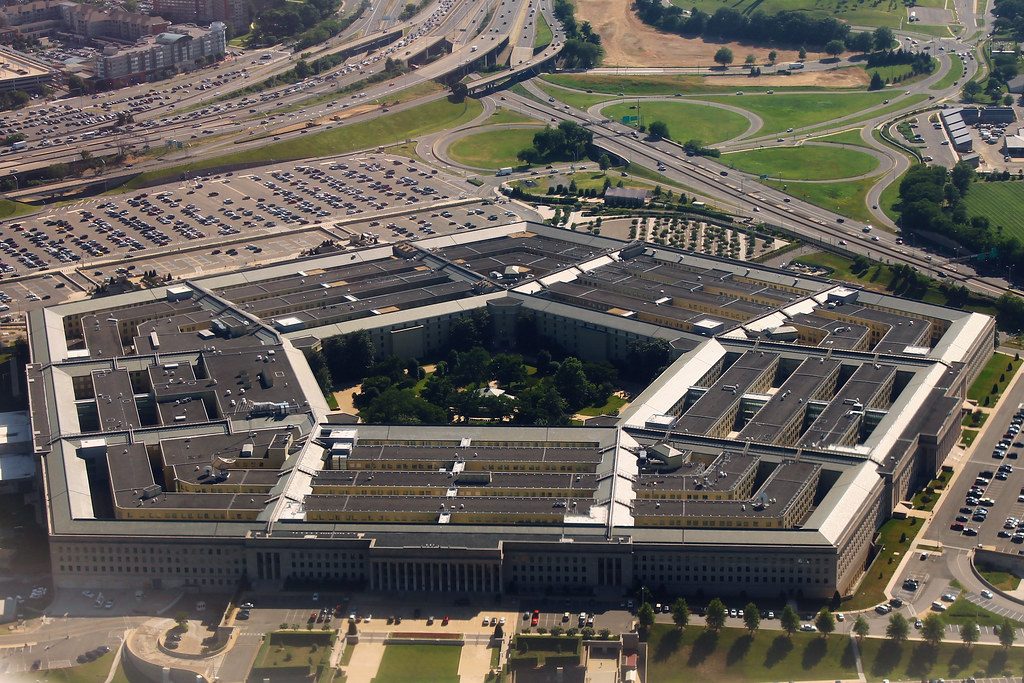
Pentagon and Justice Department build joint task force to prosecute media leaks

Pentagon and Justice Department build joint task force to prosecute media leaks

Rule Changes

The prosecutor who signed reporter subpoenas faces a Senate test over his fitness to lead national intelligence

Today: Clayton faces Senate questions over reporter subpoenas at DNI hearing

Overview

Federal agents served four New York Times reporters with grand-jury subpoenas on July 10. The subpoenas were signed by Jay Clayton, the U.S. attorney in Manhattan and Trump's nominee to direct the intelligence community. The reporters must appear before a federal grand jury in New York on July 16.

On July 13, the Pentagon and Justice Department stood up a joint task force to pursue leakers. It gives their lawyers two days to compel records from any department component. Clayton testified before the Senate Intelligence Committee on July 15; senators asked whether the prosecutor who subpoenaed reporters should direct U.S. intelligence.

Why it matters

A standing task force that can compel records in 48 hours changes the odds that a federal employee who talks to a reporter gets caught and charged.

Questions about this story

No questions yet — be the first to ask.

Key Indicators

4–5
Times reporters subpoenaed
Four bylined reporters received grand-jury subpoenas; a fifth, Adam Goldman, may also have been served.
2 days
Records compliance window
Pentagon components must fully answer the general counsel's requests within two days.
1917
Espionage Act year
The century-old law most often used to charge government leakers.
Permanent
Task force status
The body is structured as a standing mechanism, not a one-off review.

Voices

Curated perspectives — historical figures and your fellow readers.

Ever wondered what historical figures would say about today's headlines?

Sign up to generate historical perspectives on this story.

Play

Exploring all sides of a story is often best achieved with Play.

Log in to play. Track your picks, climb the leaderboards. Log in Sign Up
Predict 4 ways this could play out. Contrarian picks score more — points lock when the scenario resolves. Log in to play
Higher or Lower Two numbers from this story. Guess which is bigger. 5 rounds to set a streak. Log in to play
Timeline Five events from this story — drag them oldest to newest. Log in to play
Connections Sixteen names from the news. Find the four hidden groups of four. Log in to play

People Involved

Organizations Involved

Timeline

6 events Latest: Today
Tap a bar to jump to that date
  1. Clayton faces Senate questions over reporter subpoenas at DNI hearing

    Today Political

    Jay Clayton, Trump's nominee for Director of National Intelligence and the U.S. attorney who signed the NYT subpoenas, testifies before the Senate Intelligence Committee. Senators question whether his decision to subpoena reporters disqualifies him for the post.

  2. Policy details institutionalize the crackdown

    Policy

    Reporting confirms the Office of General Counsel can compel any Pentagon component to hand over leak records within two days.

  3. Hegseth announces joint leak task force

    Statement

    Hegseth says the Pentagon and Justice Department formed a task force to find and prosecute leakers, and gives lawyers a two-day compulsion power.

  4. Press groups call subpoenas an escalation

    Reaction

    The Committee to Protect Journalists and other advocates warn the subpoenas threaten press freedom and chill reporting.

  5. Times reports Air Force One security gaps

    Publication

    The New York Times reports the Qatari-donated presidential plane lacks antimissile defenses built into the older aircraft.

Historical Context

3 moments from history that rhyme with this story — and how they unfolded.

May 2013

AP phone records seizure (2013)

The Justice Department secretly subpoenaed two months of phone records for about 20 Associated Press reporters, hunting the source of a story about a foiled Yemen bomb plot. The AP called it a massive and unprecedented intrusion into news-gathering.

Then

The disclosure drew bipartisan criticism and public apology pressure on the department.

Now

Attorney General Eric Holder tightened the rules for subpoenaing reporters, making media-leak investigations harder to pursue.

Why this matters now

It shows the same tool in reverse. Where 2013 ended in tighter limits on going after reporters, the 2026 task force builds a standing machine to do more of it.

2010

James Rosen named as co-conspirator (2010)

Investigators labeled Fox News reporter James Rosen a possible co-conspirator under the Espionage Act to get a warrant for his emails and phone logs in a State Department leak case. No charges were ever filed against him.

Then

The tactic sparked an outcry once it became public in 2013.

Now

It fed the debate over whether the Espionage Act can be turned against journalists, not just their sources.

Why this matters now

The 2026 task force revives that question. Subpoenaing reporters directly tests how far the government can reach toward the journalists themselves.

June 1971

Pentagon Papers (1971)

The Nixon administration tried to stop the Times and Washington Post from publishing a secret history of the Vietnam War leaked by analyst Daniel Ellsberg. The Supreme Court ruled 6-3 that the government could not block publication.

Then

The papers kept publishing and Ellsberg was charged, though his case later collapsed over government misconduct.

Now

The ruling set a high bar against prior restraint and became the anchor case for U.S. press freedom.

Why this matters now

It marks the constitutional floor this story sits above. The 2026 effort targets sources and reporters after the fact, not publication itself, the line the 1971 case drew.

Sources

(11)