

Pull to refresh
Logo
Daily Brief
Following
Why Ranks Sign Up
DNA hairpin therapy targets the gene behind high cholesterol

DNA hairpin therapy targets the gene behind high cholesterol

New Capabilities

Engineered DNA molecules silence PCSK9, cutting LDL by nearly half in preclinical tests

May 7th, 2026: Merck publishes large-scale synthesis method for oral PCSK9 inhibitor in Science

Overview

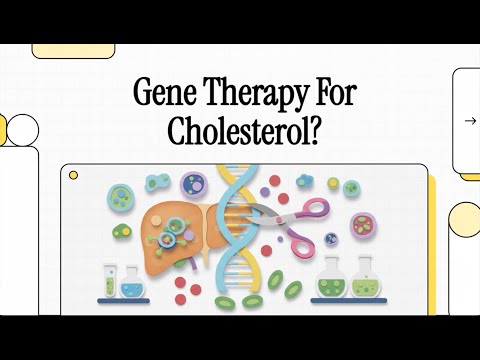
For two decades, lowering LDL cholesterol meant statins—daily pills that work for most but leave roughly one in five patients with muscle pain or liver enzyme changes severe enough to quit. On May 1, researchers at the University of Barcelona and Oregon Health & Science University published results on a short, engineered DNA molecule that silences the gene controlling how the liver clears LDL, cutting cholesterol by nearly 50 percent in mice after a single injection.

The molecule, HpE12, targets PCSK9—the same gene that Repatha, Praluent, and Leqvio go after, but upstream: it blocks the gene before any protein is made. The PCSK9 field, though, has not stood still. Eli Lilly paid $1.3 billion in July 2025 for Verve Therapeutics, whose base-editing drug cut LDL by 53 percent in a Phase 1b human trial. Merck's once-daily oral PCSK9 inhibitor, enlicitide, hit 57 percent LDL reduction in three Phase 3 trials, and Merck published its manufacturing method in Science on May 7. A third-generation injectable, Lerochol, won FDA approval in December 2025. HpE12 has not entered human trials. Its claimed advantages are cost and stability: the researchers say synthetic DNA strands are cheaper to synthesize than antibodies or RNA-based therapies and are not immunogenic. Those claims haven't been tested at clinical scale.

Why it matters

A single DNA injection silencing PCSK9 for months could reach statin-intolerant patients far cheaper than antibodies or gene editors—if anyone funds human trials.

Play on this story Voices Debate Predict

Key Indicators

47%
LDL cholesterol drop
Reduction in plasma cholesterol three days after a single HpE12 injection in transgenic mice.
87%
PCSK9 protein silenced
How much HpE12 suppressed PCSK9 protein levels in liver cells.
74%
PCSK9 RNA suppressed
Reduction in PCSK9 messenger RNA, blocking the gene before it produces protein.
~10-25%
Statin patients with muscle symptoms
Share of statin users reporting muscle pain, weakness, or fatigue—the gap a non-statin therapy would fill.
0
Human trials so far
Findings remain preclinical. Phase 1 safety trials in humans have not begun.

Interactive

Exploring all sides of a story is often best achieved with Play.

Ever wondered what historical figures would say about today's headlines?

Sign up to generate historical perspectives on this story.

People Involved

Organizations Involved

Timeline

  1. Merck publishes large-scale synthesis method for oral PCSK9 inhibitor in Science

    Research

    Merck scientists detailed a biocatalytic method for making enlicitide decanoate at commercial scale, cutting total synthesis steps to 43 and improving yield 1,000-fold over the first-generation route. Enlicitide completed Phase 3 trials with 57% mean LDL reduction and is advancing toward FDA filing as the potential first oral PCSK9 inhibitor.

  2. DNA hairpins cut LDL by nearly 50% in mice

    Research

    Barcelona and Oregon researchers publish in Biochemical Pharmacology that HpE12, a polypurine reverse-Hoogsteen hairpin, silences PCSK9 and lowers LDL cholesterol by 47 percent after a single injection in transgenic mice.

  3. FDA approves Lerochol, a once-monthly PCSK9 inhibitor

    Regulatory

    The FDA approved lerodalcibep-liga (Lerochol; LIB Therapeutics), a once-monthly self-administered injection that cut LDL by at least 60% in high-risk patients. The drug was expected to reach U.S. pharmacies in spring 2026, adding a third generation of PCSK9-targeting drugs behind the existing monoclonal antibodies and inclisiran.

  4. Eli Lilly closes $1.3B acquisition of Verve Therapeutics

    Corporate

    Lilly completed its acquisition of Verve Therapeutics, gaining VERVE-102, an in vivo PCSK9 base-editing medicine in Phase 1b trials. Earlier in 2025, Verve had reported that a single dose cut LDL by 53% and PCSK9 by 60% at the highest tested dose, with no serious adverse events in 14 patients.

  5. FDA approves inclisiran in U.S.

    Regulatory

    After a manufacturing-related delay, Leqvio reaches U.S. patients. Twice-yearly dosing offers a longer-acting alternative to monthly antibody injections.

  6. Inclisiran approved in Europe

    Regulatory

    Novartis's Leqvio, a small interfering RNA that silences PCSK9 in the liver, gains EU approval—shifting the field from antibodies to RNA-based silencing.

  7. Repatha approved

    Regulatory

    Amgen's evolocumab joins Praluent on the U.S. market, establishing monoclonal antibodies as the first generation of PCSK9 drugs.

  8. FDA approves first PCSK9 inhibitor

    Regulatory

    Praluent (alirocumab), a monoclonal antibody from Regeneron and Sanofi, becomes the first PCSK9-targeting drug approved in the United States.

  9. Healthy person with no PCSK9 identified

    Discovery

    Hobbs's group documents a woman with two non-functional copies of PCSK9, no detectable PCSK9 protein, and very low LDL—evidence that fully blocking the gene is safe.

  10. Loss-of-function mutations protect against heart disease

    Discovery

    Helen Hobbs and Jonathan Cohen show that people with broken PCSK9 genes have low LDL and dramatically reduced rates of coronary heart disease.

  11. PCSK9 gene first identified

    Discovery

    Nabil Seidah's lab in Montreal and Catherine Boileau's group in France independently identify PCSK9 and link mutations in the gene to familial hypercholesterolemia.

Scenarios

Predict which scenario wins. Contrarian picks score more — points lock in when the scenario resolves.

Log in to predict. Track your picks, climb the leaderboard. Log in Sign Up
1

DNA hairpins enter human trials within two years

The Barcelona–Oregon team partners with a biotech sponsor or licenses HpE12 to a larger developer, runs IND-enabling toxicology studies, and files for Phase 1 by 2028. The path mirrors how inclisiran moved from preclinical work to first-in-human dosing in roughly three years once a sponsor backed it.

Discussed by: Biochemical Pharmacology authors; oligonucleotide-therapy analysts at DelveInsight
Consensus
2

Delivery problem stalls progress

Oligonucleotide therapies repeatedly fail because getting the molecule into the right cells—usually liver hepatocytes—is harder than designing the sequence itself. Inclisiran needed a custom GalNAc conjugate to reach the liver. If HpE12 cannot match that delivery efficiency, dosing requirements or off-target effects could end development before Phase 2.

Discussed by: Drug-delivery researchers; commentary in Pharmacy Times
Consensus
3

Big pharma licenses the platform, not just the molecule

Novartis, Amgen, or Regeneron acquires rights to the broader PPRH platform to extend their PCSK9 franchises and apply gene silencing to adjacent targets like Lp(a) or ANGPTL3. The economics of a one-off cheap-to-synthesize injection appeal to payers fighting Leqvio's price tag.

Discussed by: Cardiovascular drug-development analysts
Consensus
4

Approach fades quietly into the literature

Most preclinical cholesterol candidates never reach humans. Without a sponsor willing to fund toxicology and Phase 1, HpE12 joins a long list of mouse-stage PCSK9 strategies that did not advance—useful as proof of concept for the PPRH chemistry, not as a new drug.

Discussed by: Translational medicine reviewers
Consensus
5

Oral PCSK9 pill narrows HpE12's commercial window

If enlicitide wins FDA approval as a daily oral PCSK9 inhibitor, cardiologists treating statin-intolerant patients would have a pill as an option—no clinic visit required. Lilly's gene-editing drug VERVE-102 offers a one-and-done alternative with growing human trial data behind it. HpE12 would need to prove both its long-duration effect from a single dose and its manufacturing cost advantage to attract a development partner in that environment. Neither has been demonstrated in humans, and academic programs often struggle to fund the toxicology studies required to make the case.

Discussed by: PCSK9 drug-development analysts; Merck investor briefings on CORALreef data
Consensus

Historical Context

First statin approved (1987)

September 1987

What Happened

The FDA approved lovastatin (Mevacor) from Merck, the first cholesterol-lowering statin. It worked by blocking HMG-CoA reductase, a liver enzyme central to cholesterol production, and it transformed cardiovascular medicine.

Outcome

Short Term

Statins quickly became the dominant LDL-lowering class, with Lipitor going on to become the best-selling drug in pharmaceutical history.

Long Term

Decades of statin use cut heart attack and stroke rates substantially, but exposed a persistent gap: 10–25 percent of patients report muscle symptoms and many discontinue, leaving an opening for non-statin alternatives like PCSK9 inhibitors and now PPRHs.

Why It's Relevant Today

The statin era defined what the next class of cholesterol drugs has to beat: cheap, oral, daily, and effective for most—but not for the patients who can't tolerate them. HpE12 targets that gap directly.

PCSK9 monoclonal antibody approvals (2015)

July–August 2015

What Happened

The FDA approved Praluent (alirocumab) from Regeneron-Sanofi and Repatha (evolocumab) from Amgen within five weeks of each other. Both were monoclonal antibodies that bound free PCSK9 protein in the bloodstream, lowering LDL by roughly 60 percent on top of statins.

Outcome

Short Term

Initial uptake disappointed because of $14,000-per-year prices and tight insurance coverage. List prices eventually dropped roughly 60 percent.

Long Term

Established PCSK9 as a validated drug target and proved that a non-statin biologic can durably lower LDL. It also showed payers would resist high-priced cardiovascular drugs—an issue any PPRH product would inherit.

Why It's Relevant Today

HpE12 aims at the same gene the antibodies target but earlier in the pathway. Whether it can match their efficacy at lower cost is the central commercial question if it reaches humans.

Inclisiran approval (2020–2021)

December 2020–December 2021

What Happened

Novartis's Leqvio, a small interfering RNA that silences PCSK9 production in liver cells, was approved in the EU in December 2020 and in the U.S. a year later after a manufacturing-related FDA rejection. Patients dose twice yearly instead of monthly.

Outcome

Short Term

Leqvio's launch was hampered by COVID-era healthcare disruption and Medicare coverage debates over how clinics would administer and bill for it.

Long Term

Demonstrated that nucleic-acid-based gene silencing can reach the liver and produce sustained LDL reductions in humans—the closest commercial precedent for a PPRH cholesterol drug.

Why It's Relevant Today

Inclisiran is the proof of concept that a gene-silencing PCSK9 drug can win approval and reach patients. HpE12 would need to clear the same delivery and durability bars, but with a different—and potentially cheaper—chemistry.

Sources

(11)