

The Levitated Dipole Experiment at MIT (1998-2011)
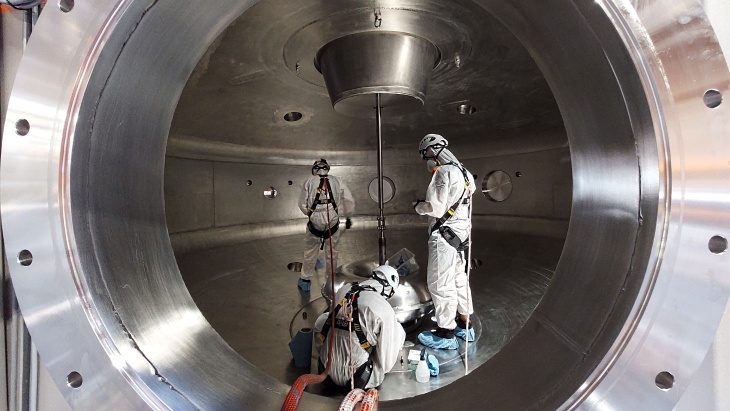
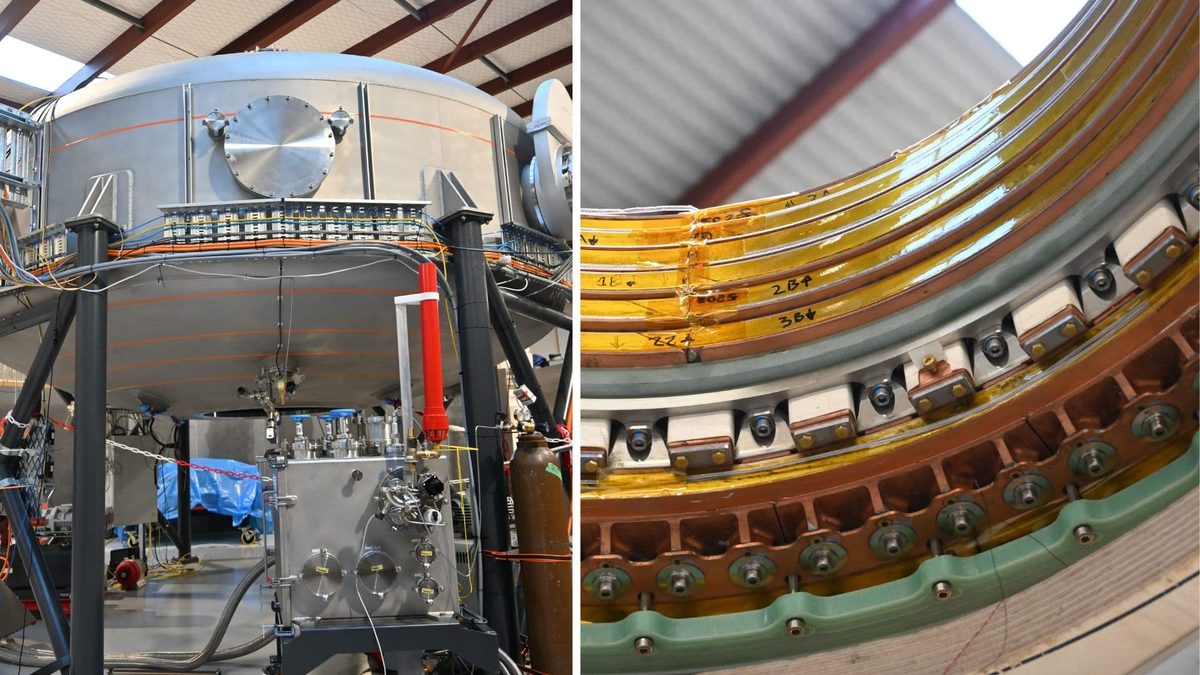
Physicists Jay Kesner and Michael Mauel built the Levitated Dipole Experiment at MIT to test Akira Hasegawa's 1987 theory that a single floating magnet could confine fusion plasma. By 2007, LDX had demonstrated that levitating the magnet — rather than supporting it mechanically — dramatically improved plasma confinement. The experiment ran on a modest budget relative to major fusion projects.
The U.S. Department of Energy ended LDX funding in November 2011 to concentrate resources on tokamak research, which was considered the most mature path to fusion.
The scientific results sat dormant for nearly a decade until OpenStar's founder recognized that advances in high-temperature superconductors had eliminated a key barrier. LDX's former chief experimentalist now leads OpenStar's plasma science program.
OpenStar is directly commercializing the concept LDX proved. This is a case of publicly funded research producing validated results that a private company later revives with newer technology — a pattern familiar from the internet, GPS, and mRNA vaccines.