
Pull to refresh
Logo
Deep Java Sea earthquake shakes Jakarta without reported damage

Deep Java Sea earthquake shakes Jakarta without reported damage

Force in Play

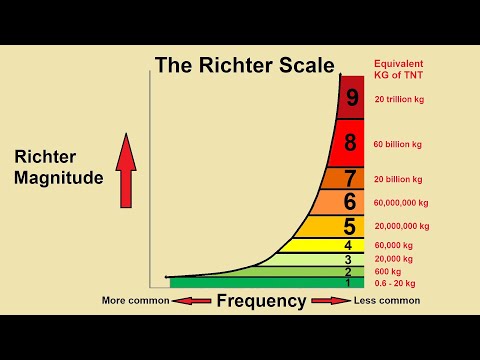
A magnitude 6.6 quake at 359 kilometers depth shows why depth, not size, drives earthquake damage

Today: No casualties or damage reported

Overview

Updated 18 hours ago

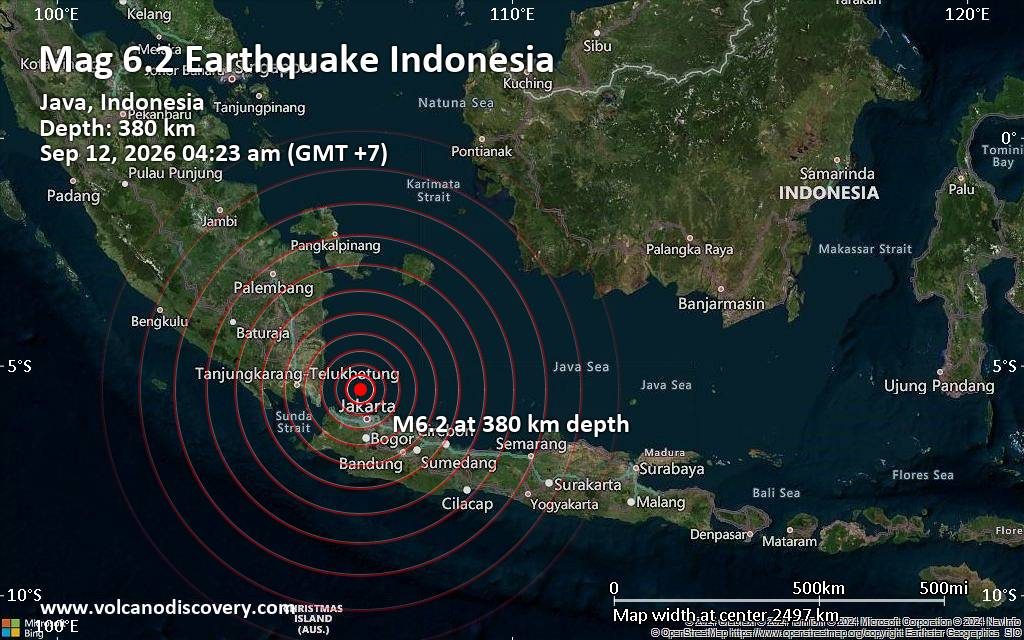
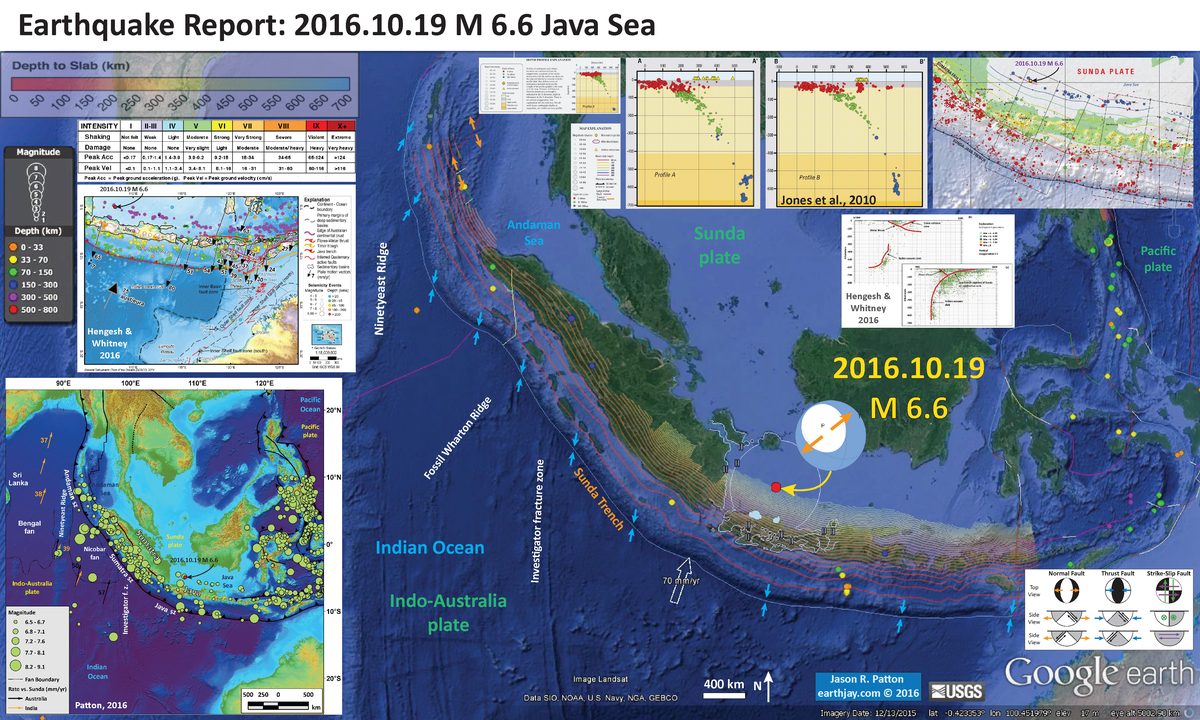
The US Geological Survey logged a magnitude 6.6 earthquake beneath the Java Sea early Saturday, 125 kilometers north of Jakarta, at 358.6 kilometers depth. Indonesia's BMKG agency revised it to 6.5 at 368 kilometers, calling it a deep quake inside the subducting plate, not a shallow fault rupture.

Tremors were felt across Java and Sumatra, from Jakarta's Tanjung Priok to Yogyakarta and Padang. BMKG reported no aftershocks as of 5 a.m. local time; no casualties or damage have been reported.

Why it matters

Depth determines earthquake damage: this 6.6 barely shook Jakarta, while shallow ruptures on the same fault killed roughly 230,000 in 2004.

Questions about this story

Free account needed to ask — your question is kept and asked for you right after sign-up. Answers are public.

No questions yet — be the first to ask.

Key Indicators

6.6
Magnitude
USGS measurement; BMKG revised to 6.5 after further analysis.
358.6 km
Focal depth
USGS depth; BMKG measured 368 km.
125 km
Distance from Jakarta
Epicenter in the Java Sea north of the capital; BMKG placed it 69 km northeast of the Thousand Islands.
MMI 4
Peak shaking intensity
USGS ShakeMap estimate; BMKG reported stronger tremors in Banten, West Java, and southern Sumatra.
16
USGS felt reports
Did You Feel It? responses; BMKG said shaking was felt widely across Java and Sumatra.
0
Aftershocks by 5 a.m.
BMKG reported no aftershocks as of 5 a.m. local time.
GREEN
PAGER alert
USGS estimate of a low likelihood of casualties and economic losses.

Voices

Curated perspectives — historical figures and your fellow readers.

Ever wondered what historical figures would say about today's headlines?

Sign up to generate historical perspectives on this story.

People Involved

Organizations Involved

Timeline

5 events Latest: Today
Tap a bar to jump to that date
  1. No casualties or damage reported

    Today Reporting

    Sixteen people report light shaking (intensity 3.8); early checks find no damage.

  2. Tremors felt across Java and Sumatra

    Today Reporting

    BMKG reported the strongest shaking in Banten, West Java, and Tanggamus in southern Sumatra, with weaker tremors as far as Yogyakarta, Malang, Padang, and the Mentawai Islands.

  3. BMKG revises quake, reports no tsunami or aftershocks

    Today Assessment

    BMKG revised the magnitude from an initial 5.9 to 6.5 at 368 km depth, called it a deep intraslab event, and reported no tsunami threat or aftershocks as of 5 a.m. local time.

  4. M6.6 earthquake strikes the Java Sea

    Geological event

    A magnitude 6.6 quake hits 115 km NNE of Teluknaga at 359 km depth.

  5. USGS issues GREEN PAGER alert

    Assessment

    USGS reviews the event and rates the risk of casualties and losses as low.

Scenarios

1

Deep Java quake resolves with zero confirmed casualties or damage

Likely Resolves by Sep 25, 2026

Discussed by: USGS PAGER GREEN alert; Anadolu Agency reporting

The 359-kilometer depth kept peak shaking at light intensity, and USGS's automated PAGER system rated the chance of casualties and economic losses as low. Indonesia's disaster agency BNPB and geophysics agency BMKG would confirm any field reports. Early checks, reported by Anadolu Agency, found none.

2

Damage or injuries emerge from coastal Java checks

Unlikely Resolves by Sep 25, 2026

Discussed by: Routine post-quake surveys by BMKG and BNPB

Although shaking was light, isolated structures vulnerable to weak shaking could sustain minor cracking. The USGS notes much of the region's housing is unreinforced brick with concrete floors, which fares poorly even in moderate shaking. Post-event field checks by Indonesian agencies would surface any such reports within days.

3

Java's deep slab produces another M6+ earthquake

Possible Resolves by Dec 10, 2026

Discussed by: USGS regional seismotectonics summary

Earthquakes at depths beyond 300 kilometers occur as the subducting Indo-Australian slab bends and stresses internally. These events often arrive in clusters along the same stretch of the Sunda arc, separated by weeks or months. A repeat quake would show that deep-seated slab stress remains active beneath the Java Sea.

Historical Context

2 moments from history that rhyme with this story — and how they unfolded.

December 2004

Indian Ocean earthquake and tsunami (2004)

A magnitude 9.1 earthquake ruptured the Sunda megathrust off Sumatra's west coast on December 26, 2004, at a shallow depth. The rupture and resulting tsunami killed roughly 230,000 people across 14 countries, one of the deadliest disasters in modern history.

Then

Coastal communities from Indonesia to Somalia were devastated within hours.

Now

It drove a global expansion of tsunami early-warning systems, including the Indian Ocean network Indonesia now operates.

Why this matters now

The 2004 event broke the same plate boundary at shallow depth. This week's quake sat 359 kilometers deep, where energy dissipates before reaching cities — the depth gap explains why one killed hundreds of thousands and the other caused no reported damage.

May 2006

Yogyakarta earthquake (2006)

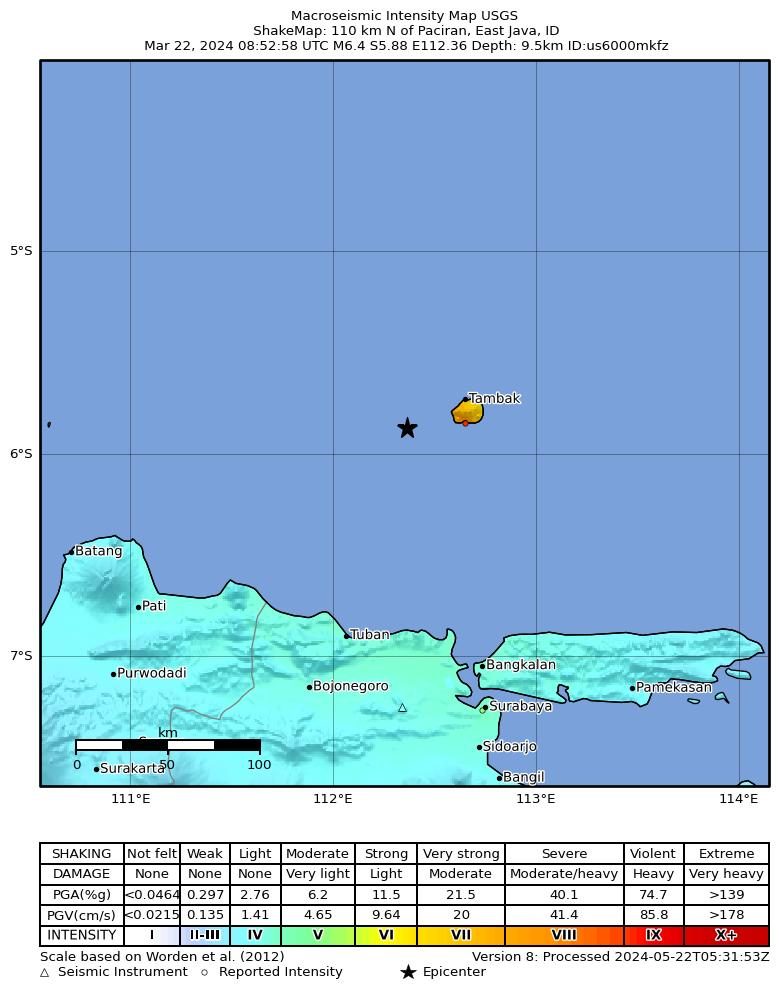
A magnitude 6.4 earthquake struck 25 kilometers south of Yogyakarta, Java, on May 27, 2006, at roughly 10 kilometers depth. The shallow rupture killed more than 5,700 people and destroyed over 150,000 homes.

Then

The quake left hundreds of thousands homeless in Central Java within days.

Now

It underscored how shallow, on-land ruptures in Java's densely populated interior produce outsized death tolls.

Why this matters now

The 2006 quake was slightly weaker than this week's 6.6 but vastly more destructive. It broke at 10 kilometers depth, not 359.

Sources

(9)